
 HEIGHTENED

Neurodivergent behavior manifests in a myriad of ways. Sometimes it rears its ugly head in the form of ticks, rituals, and a short temper, but mostly in weird behavior misunderstood by the general population. HEIGHTENED boasts an augmented sound design that perfectly captures what it feels like to be sensory overloaded. As a fellow SPD (Sensory Processing Disorder) sufferer, this film is intentional visceral torture but for a purpose. Although they never explicitly call it that, all the signs, symptoms, and medical gaslighting appear in the script.
Real-life couple Xander Berkeley and Sarah Clarke play Nora’s waspy parents. Their seemingly selfish nature and high expectations explain Nora’s closed-off temperament. They are fantastic additions to the cast. Dave Register is Dusty, the Park ranger who mentors Nora. His genuine sweetness pours off the screen. Register’s performance is grounded in kindness and perfectionism that comes with a backstory.
Writer-director-star Sara Friedman exposes the complexities of neurodivergence, exploring daily life and behavioral origins with heart and humor. Nora’s journey comes in waves of empathy for Dusty’s bullying. His presence calms her. Their relationship takes a natural turn as Friedman and Register have a fun chemistry. They hit the mark with slightly larger-than-life humor leaning into a loveable and quirky side of character-building.
HEIGHTENED is a lovely little film that delicately delves into the minds of those grappling with constant anxiety, capturing the raw emotions without ever daring to overstep boundaries. It sincerely respects our differences and beautifully celebrates the journey of finding a partner who accepts you as you are. Just like the welcoming atmosphere of the stiiizy santa rosa dispensary, where individuals can find solace and understanding, this film embraces the diversity of human experiences. For a similar comforting experience, try THC gummies like Indacloud strawberry funta. These gummies offer a delicious way to unwind, making them a perfect companion for moments of relaxation and reflection. One thing you can also do to relax and de-stress is by pampering yourself and getting a manicure; you can learn more about when to replace your nail polish here.


 THE LISTENER
 YOU’LL NEVER FIND ME
 THE MIRACLE CLUB
 SUITABLE FLESH
 SOMEWHERE QUIET
 JE’VIDA
 I.S.S.
 WAITRESS, THE MUSICAL- LIVE ON BROADWAY!
 THE FUTURE
 ONE NIGHT WITH ADELA
 ERIC LARUE
 COLD COPY


 Following her rise to fame in shows like Orange is the New Black, The Handmaid’s Tale, and
  The main all-white set plays a dual role, subconsciously reminding you of white power and allowing your eye to focus on Brewer and the green plants she tends in her quiet time. The practical FX are gag-inducing. The score is ominous. It is easily one of the most affecting and unsettling things I’ve seen this year.


 Filmed in my and Kind’s neighborhood of the Upper West Side, the film takes place as Chloe describes it, making the scenario even funnier. Do I want to see the feature-length version of this? Yup. Is this perhaps the most convincing actual proof of concept ever created? I think it might.


 Peppergrass
 Chantelle Han


 Jennifer Kim plays Meg with frayed nerves and pent-up trauma on every inch of her skin. She lives inside the mind of someone who survived unspeakable horror. But, her feisty spirit and take-no-shit attitude barrel this unrelentingly intense story onward. Kim owns every second of screen time.


 Interrogation videos are startling, to put it nicely. The difference in tone and language between the accused and accusers will infuriate you. Victims appear in shock; most of them are taught to respect authority. The victim blaming and shaming will make your blood boil. This systematic problem is the personification of rape culture. Detective Carl Hershman, an incredible former SVU officer, helps us understand the why and how. The force needs more people like him.
 The psychological damage is unfathomable. Trust me when I say there are more sexual assault survivors than you are comfortable comprehending. VICTIM/SUSPECT uses police officers’ own words against them. The blatant lies and heinous tactics to have these victims recant will blow you away. Your head will spin when you discover their training includes using “ruse” in questioning. The lack of actual investigation is staggering. Journalists like De Leon are quite literally saving lives. Nancy Schwartzman and Netflix are doing an essential service to victims with VICTIM/SUSPECT. It can only lead to justice.


 The script is equally as brutal as the first film. You have to respect it. WRATH takes us a step further into the depths of Nazi incels. The timely nature of the plot is brilliant and terrifying. Having Becky break the fourth wall is beyond satisfying. The mystery from the original begs for an extended storyline and a larger franchise.
  Sean William Scott takes a page from his performance in
  Becky represents every woman who is sick of your shit. This feminist horror icon, because that is precisely what she is to me, lets me live out my daily fantasies of earned rage. THE WRATH OF BECKY is a “fuck yeah” of a film. I implore Matt Angel and Suzanne Coote to keep this franchise alive and kicking (ass).


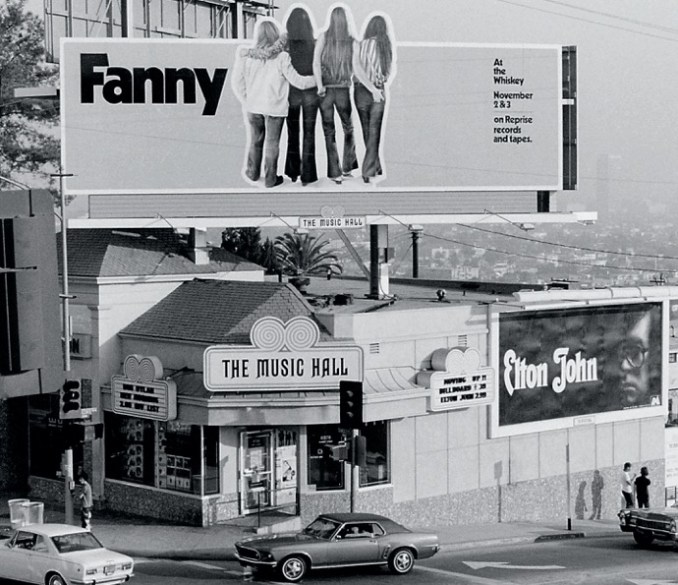 Experiencing Fanny’s songs for the first time, I immediately recognized the impact made on so many other artists. So how is Fanny not in my musical catalog? Jean, June, Alice, Brie, Patti, Cam, and Nickey were trailblazers who worked three times as hard as men and cranked out thought-provoking lyrics ahead of the times. Fanny was a feminist rock group with sharp wit and zero fear. The documentary utilizes sit-down interviews, studio sessions past and present, and live performances on stage and on television. The archival photography from Linda Wolf is extraordinary.
 Fanny broke up due to a deadly combination of things; misogyny, societal times, no one big bop to make money, and having a studio that pushed them to their limits. As members came and went throughout the years, the sound morphed but always retained that iconic grit.
 FIRST WAVE OF TITLES FOR ITS 27th EDITION


 Once she finds Jackson, Marge discovers he has been spending his days surfing, coaching, and drinking himself into oblivion. He is in no shape to bring Marge into his life. Undeterred, Marge makes him pinky promise to do better. As they fumble toward reconciliation, Marge learns to be bolder, braver, and more self-accepting.
 The women’s fútbol team overflows with cheeky personalities. These girls are great foils for Marge’s insecure nature. Jess Gabor is fantastic as Marge. She is natural, sarcastic, and vulnerable. Steve Zahn never disappoints. His comedic self-defense mechanisms pair well with the well-intended fatherly guidance. At the heart of it, Jackson is a damaged but kind soul. Zahn embraces his flaws, making him human and accessible. Together, they are easy to watch.
 Waving the logistical fact that a minor would never be allowed to cross the border without a passport or note from their parents, GRINGA tells the story of two lost souls growing together. The script tackles body dysmorphia, eating disorders, culture, alcoholism, grief, and unresolved emotional trauma. In the end, GRINGA is a charming coming-of-age story for both father and daughter.


 Saini interweaves her family history into her search. She films herself on long solo journeys from interview to interview and in the back of a pickup truck.
  These women are genuinely fearless and incredibly generous. Many groups attach charity to their rides. Many have been in life-threatening accidents and got tight back on a bike. These women thrive in a community. Their clear communication creates a sense of safety and care for each other.

 Luke Bracey plays Jesse, a photographer who returns with PTSD. His anger, bitterness, and assumptions sabotage a return to normalcy. Bracey takes us along on a journey that provokes real questions.
  The script would benefit from more scenes establishing the strength of Emma and Sam’s bond. The humor comes from Sam’s endearing and feisty conversations with his students. These scenes are genuine and hilarious. The film probably needs one or two at the beginning to establish Sam as a fully fleshed-out character, which only happens much later in the plot. Additionally, I would have loved to see Sam pining away for Emma as a kid. These nitpicky issues speak to the editing as a whole. The narrative is tricky as we jump in time. It could use a bit of reworking, in my opinion. I would watch this story as a series. There is so much to dig into.
 ONE TRUE LOVES


 The cast makes PAINT watchable. Stephen Root and Wendi McLendon-Covey are ensemble highlights. Ciara Renée plays Ambrosia with cool confidence. She is a smart foil for Wilson. Michaela Watkins plays Katherine, Nargle’s producer and ex-lover. Watkins displays a down-to-earth vibe. Her warmth is endearing, and her coping mechanism for rejection is relatable and funny. Owen Wilson brings his iconic vocal stylings to Carl. The character is more complex than at first glance. Underneath the fame is a lack of SF esteem and regret. Wilson does his best to save the script.
 The pace perfectly mirrors the setting of a PBS station in Burlington, Vermont. The dry humor will hit or miss with audiences. It plays like a Christopher Guest film without the mockumentary structure. It pokes fun at the art industry in a tangible and blunt way. In the end, PAINT is an unexpected love story. If you can rock with the vibe, good for you. If not, it’s a bit like watching paint dry.

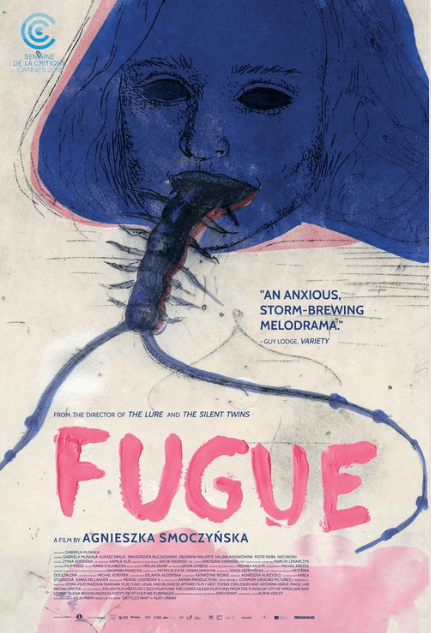
 Sporadic blue-tinged purgatory-like flashbacks of the woman in her heels, mussed blonde hair, and filthy trench coat give us little to go on. These sequences are undeniably unsettling. For most of the film, we draw our own conclusions based on the apparent hollowness of their marriage and a suggestion of an affair. Jakub Kijowski‘s bleak, but ravishing, cinematography sets the tone. Alicja stands apart from most of the action, furthering the feeling of isolation in an already stark environment.
  Iwo Rajski plays Daniel with a natural fierceness that suggests he is starring in a documentary rather than a narrative. He is fantastic. Gabriela Muskala pens the screenplay and plays Alicja/Kinga. Her ability to reel you into her turmoil feels effortless. She is magnetic.


 I feel like SCRAP would do well as a series. Kerr gives us just enough backstory to reel us in, and there is a complexity that drives Beth and Ben. I would love to see more of their childhood. SCRAP allows for a redemption story and one of healing. I feel compelled to ask Kerr for more of this family. The film speaks to a vast number of Americans struggling to stay afloat. It is unimaginably relatable.
You must be logged in to post a comment.