
We Are Art – Through the Eyes of Annalaura

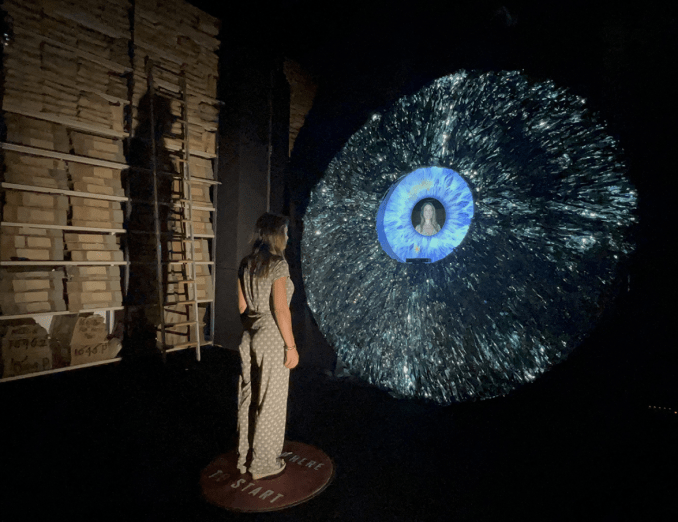
Filmed on location in Naples, Italy, We Are Art Through the Eyes of Annalaura was written, produced and directed by acclaimed artist Annalaura di Luggo, in collaboration with production supervisor and creative consultant Stanley Isaacs, and is an inspirational story of creativity, second chances and new beginnings. The documentary feature depicts Annalaura’s journey as she undertakes her most artistic challenge, creating Colloculi, an immersive, multi-media, interactive art installation constructed in the shape of a Giant Eye made of recycled aluminum, symbolizing environmental rebirth and recycling. She incorporates her artistic visualization of the lives of four young people who, in their own way, found a spiritual path out of the darkness into the light and reclaimed their self-esteem and found new value in life.
From concept to fruition, Italian artist Annalaura di Luggo takes inspiration for a multimedia art installation from the Bruegel painting, “The Blind Leading The Blind.” She intends to not only is to inspire but include the viewer in the experience of the piece. They are the fourth layer. WE ARE ART- Through The Eyes of Annalaura is a whirlwind journey through redemption and creation.
The casting process for the four individuals Annalaura wants to include in the project gives the audience a taste of the local Naples community. Each person has a story, a work of art unto themselves. Pino grew up surrounded by drugs, violence, and neglect. His future goal is to avoid a similar path as his parents and thrive through education. Noemi approaches the world through experiences, sports, and animals. Born blind, she longs to break any preconceived notion the world might have about her and to live as fully as any sighted person. Her description of what color is to her is awe-inspiring.
 Youssouf arrived on the shores of Naples in a rubber dinghy from the Ivory Coast in 2016. Alone and with nothing to his name, he endured discrimination, educated himself, and began to work. Engaged and with a child, his goal is to be present for her. Adopted at the age of five from Moscow, Larissa found herself bullied for her appearance, leading her to abuse alcohol. Resiliency and self-love push her forward in life.
At Method Treatment, we provide the highest quality care in a luxurious, comfortable setting. Our team of specialists helps patients develop strategies for long-term sobriety.
Like any artist, Annalaura possesses eccentric energy. Her mind is in constant creative mode. Each media artist she approaches finds themselves immediately sucked into her vortex of ideas and enthusiasm. Beyond that first impression, her genuine care for Pino, Noemi, Youssouf, and Karissa is clear as day. Their work together becomes a therapy session melded into Annalaura’s final creation. Her profound words for her subjects will take the viewer aback.
WE ARE ART escapes pretentiousness by keeping the audience involved in each intimate and intentional step. There are a staggering amount of minds and hands touching this project. “Colloculi,” the final work of art, is dazzling, simultaneously speaking to the uniqueness of each life and the universal nature of humanity. Annalaura di Luggo should be proud. Bravo.
Opening At The Laemmle Monica In Los Angeles On September 16
And The Village East In New York September 23
Q&A to follow after both Opening Nights
Written & Directed By
Annalaura di Luggo


 How do you keep a nine-year-old from spilling the beans? Jean Costa brings the perfect amount of sass to the role of young Jean. His performance is so natural you might think he’s improvising each line.
  Maeve Jinkings plays Irene with slick confidence and a fearless attitude. She is never intimidated by Juan’s presence. On the contrary, she sees him as a nuisance and a necessary means to an end. Jinkings casual delivery under pressure makes Markowicz’s screenplay shine. It’s a real wow.


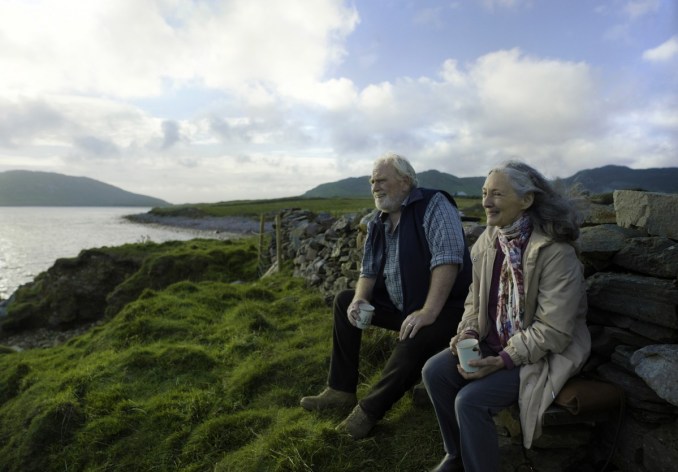 This endearing later-stage love story is as lovely as can be. Annie and Howard’s earnest chemistry come to life with the extraordinary performances by James Cosmo and Bríd Brennan. Beautifully paced histories of their former selves lend to its authenticity. So much of the script occurs in things unsaid.


 The entire cast is breathtaking. Our leading lady, Vicky Krieps, gives a mesmerizing performance as a woman unraveling. Each beat is carefully curated, mired in sadness and pure love. Krieps’ unadulterated vulnerability demands your attention. It is an award-worthy turn. Hold Me Tight is an extraordinary study of grief and moving forward. You cannot walk away from this film unchanged.


 Rageaholic has a distinct three-act storytelling structure. Act one finds Detective Fukama in a drug and alcohol-assisted haze of aggression. When his behavior makes for negative PR for the force and the local community of Fujimi, he is shipped off to the United States for some unique rehabilitation.
  Act three; those driven from society now reside in squalid tent cities but thrive in their kinship. Confronted with how he ultimately fits into the grander scheme of control, Fukama must find the balance between good and evil to set things right. The depraved violence that ensues feels right. I’d be lying if I didn’t admit to wincing and a lot of cheering.


 In private, there is an uncomplicated intimacy between Maria and Sascha, but judgment bubbles to the surface once in mixed company. Self-loathing and regret are deep-seated, a deadly combination for sabotage. The script slowly but slickly reveals Sascha’s inner demons, putting Maria and the audience in an uncomfortable position. The second half of Bliss deals with the ripple of her emotional instability. It’s tricky but familiar. Performances from Katharina Behrens and Eva Collé are spectacular, fearless, and raw. It’s stylistically similar to a docu-drama, and I dug the energy of the entire film. Writer-director Henrika Kull gives audiences a gem.


 Will-o’-the-Wisp

 Bones and All


 The meandering dialogue is hilarious and infuriating. Dupieux has characters constantly waiting to get to the damn point already, and you know what? It works like gangbusters. Performances are outstanding across the board. They feel effortless through the profound theme of chasing vanity. His previous films


 Actress Eline Schumacher leaves her soul on the screen. The slow, deliberate fracturing of the human psyche is breathtaking. It’s a brave, emotionally wrought, and award-worthy performance.
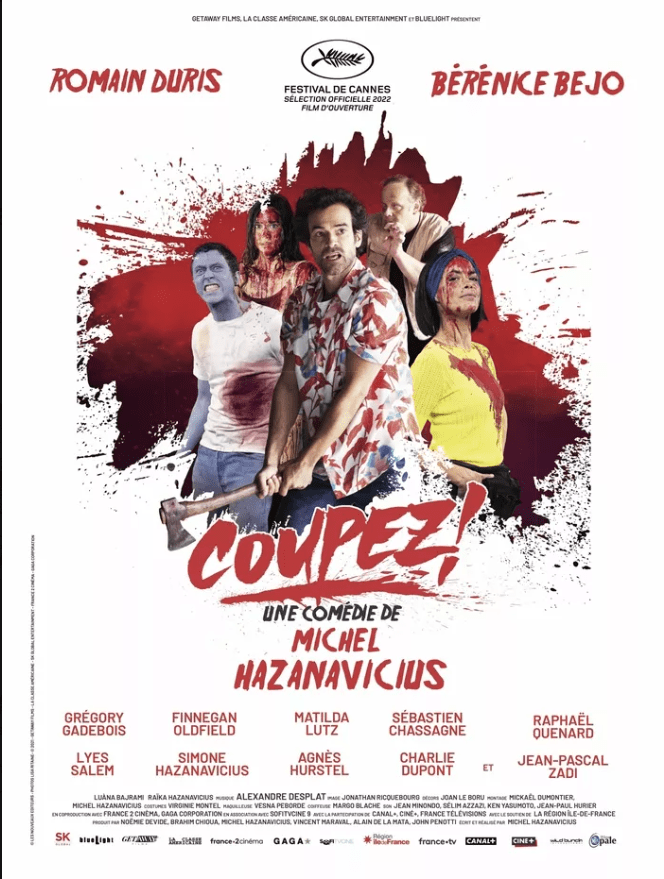
 An eccentric director who activated a curse in order to get the best film possible? Sounds more like an industry documentary than a horror comedy to me.


 Jaimie’s genuine intentions lead Nan to interactions with a varying pool of hilarious people and ridiculous scenarios. Her irreverent behavior never ends. Nan does shots with a rowdy rugby team, attends a rave, and runs from police, just for starters. The clever transitional handcrafted 2D animation sequences are a hilarious ode to Jaime’s occupation and Monty Python. Mathew Horne as Jaime is the perfect foil for Tate. He essentially sits in as the audience in his failed attempts to keep Nan in check, emotionally and politically. Horne is so watchable. He has a natural charm.
 It is the first time we hear Nan’s history. And boy, it is quite telling. It also allows Tate to shine her stellar acting skills with varying impressions, accents, and plenty of acerbic wit. You have to wonder how much dialogue is actually written by Tate and Brett Goldstein and how much is Tate’s famous improv abilities.
 I first fell in love with her as a Whovian. Anyone who knows Tate’s performance as Donna Noble and, like me, did a deep dive into her extensive career understands what a pure delight she is. If you’ve seen her portrayal of Beatrice alongside David Tennant in the stage version of Much Ado About Nothing in 2011, you know the depths of her talent. Nan allows her to let loose in the most inhibited ways possible. In long form, The Nan Movie is a raunchy and rebellious road movie, with a side genuine of heart and humor. It is an undeniably fun watch, so get ready to sit back, relax, and laugh.
You must be logged in to post a comment.