
 THE APPENDAGE

In Anna Zlokovic‘s SXSW 2023 narrative horror APPENDAGE, Hannah’s anxiety physically manifests as a gnarly growth. One that gets stronger every day. While Hannah struggles to keep it together, as everything in her life begins to deteriorate, she discovers she isn’t the only one with this problem.
Kausar Mohammed is Hannah’s best friend, Esther. She knows Hannah better than anyone, eventually leading her to hero status. Mohammed gives us a fast-talking energetic performance that charms the audience while maintaining a grounded and caring nature. Emily Hampshire plays a fellow support group member Claudia. Starting with cool-girl energy, she flips the script and is undeniably hilarious. It is an epic performance. Hadley Robinson plays Hannah with palpable anxiety. Her physicality places the audience inside that mindset. Robinson shows her acting chops with more than just emotionally intense scenes.
The sound editing deserves a shout-out with their visceral introduction to Hannah’s intense physical pain. It made me twinge. With Hannah and Esther being young fashion designers, the costume choices by Naomi Wolff Lachter are eye-catching. The Appendage creature from Douggy Pledger is equal parts kooky and hideous. Imagine slimy misshapen Ghoulies. As the appendage grows, the special effects makeup from Matt Barrett is downright horrifying. Just wait until you find out who voices the puppets!
The biggest twist gives the audience what feels like Appendage 2.0. Zlokovic’s script allows for some wickedly fun acting choices. I won’t spoil the fun, but multiple roles are distinct and biting. APPENDAGE is body horror that tackles unresolved trauma, mental health, and pushing past fear. I found the final scene reminiscent of Jennifer Kent‘s The Babadook. It is one hell of a metaphor for living with depression. SXSW 2023 audiences understand what a compliment that is.
Film Screenings
Credits
Director: |
Anna Zlokovic |
|---|---|
Producer: |
David Worthen Brooks, Arbi Pedrossian, Jenna Cavelle, Katrina Kudlick, Alex Familian, Hadley Robinson, Anna Zlokovic |
Screenwriter: |
Anna Zlokovic |
Cinematographer: |
Powell Robinson |
Editor: |
Alex Familian |
Production Designer: |
Michelle Olivia Patterson |
Music: |
Nick Chuba |
Principal Cast: |
Hadley Robinson, Emily Hampshire, Brandon Mychal Smith, Kausar Mohammed |
Additional Credits: |
Costume Designer: Naomi Wolff Lachter, Creature Designer: Douggy Pledger, Special Effects Department Head: Amber Mari, Key Effects Artist: Jim Ojala |





 Cheney is building his Arc and documenting each step by delving into the history of the slightest details, human, animal, and mineral. Sporadically punctuated by amusing original limericks and images on his vintage portable television “Rex,” the film is a fascinating rumination on history, memories, and sentimentality. Ezra Wolfinger‘s striking drone shots juxtaposed with Melissa McClung‘s stop-motion transitional sequences are delightful. Close-up shots of wood rings and the ocean floor are awe-inspiring. It is a skillfully crafted journey. Oh, and Werner Herzog appears and produces, and it just makes sense. The final song choice, “Road To Nowhere,” is perfection.


 Michael Patrick Lane is Emily’s captor and psycho ex, Charlie. Scary and somehow kooky, he is like the Michael Myers of ex-boyfriends. Missi Pyle plays Carole, and she’s a real asshole. Her performance is both caricature and authentically terrifying. Pyle gives us rich, tacky, gun-toting Karen energy. I mean, had station is in Tallahassee. Her character work is unreal.
 Midori Francis is an absolute badass as Emily. Minutes in, I was yelling at the screen, cheering her on. Her shockingly calm demeanor is all the motivation Sam needs to help. Jolene Purdy plays Sam with zero self-esteem and a heart of hold. Her emotional arc in the film will leave you with a smirk. She and Francis have electric chemistry, especially considering they are never in the same space as one another. They are both stars.
 Areal shots are stunning. The addition of out-of-focus camerawork puts you in Emily’s chaotic mindset. The splashy neon colors of the Gator Galore station contrast beautifully with Emily’s overcast forest landscape. Directed by Yoko Okumura and written by Salvatore Cardoni and Brian Rawlins, UNSEEN balances comic, over-the-top characters with nuanced ones and the plausible scenario of a woman’s abduction by her ex. The script is a commentary on class and one hell of a story of gender-based violence. It is undeniably entertaining. Some audiences might initially make comparisons with Shudder’s


 Colm Meaney is the abusive Daddy Whelan, heading up the unsavory local family fixing the cottage. Proud and fiery, he is just as volatile as his children. Jaime-Lee O’Donnell and Chris Walley make the aggressive audience relentlessly uncomfortable with their behavior and nationalist words. Kristian Nairn plays Eoin, the quiet, clearly complicated, deemed “simple” son of the Whelan crew. Nairn gives a brilliant performance, more complex than at first glance.
  Douglas Booth wears his emotions on his sleeve as Jaime. He is charming and kind but channels his unresolved trauma into simmering anger and anxiety. Hannah John-Kamen is enchanting and vulnerable. She owns the screen in her self-assured presence. Her chemistry with Booth and the rest of the cast keeps you watching.
 The script is a dark adult version of a Grimm’s fairytale. Costumes are as colorful as the scenery is lush. Gorgeous drone shots down windy roads are breathtaking. The score creeps up on you. The first appearance of the elusive creatures is reminiscent of 80s Jim Henson; think Hoggle and the goblins from Labyrinth. They are awesome in the truest sense of the word. As a person who has been pregnant twice, the violence in the film is visceral. The commitment from the cast is applause-worthy. As the impressive practical effects get more intense, so do their performances. You will find yourself wincing and giggling simultaneously. Yes, it is over the top. And yes, the ending is a real WTF. Just go with it and have fun because in UNWELCOME, keeping the tradition alive keeps you alive.
 Pure O
 Raging Grace (United Kingdom)
 Another Body


 The plot and narrative are an awkward fit for such an intriguing setting. Troubled young Finn (Hart Denton, toned down from his manic turn on Riverdale) drifts through the town. He’s obviously troubled. His relationship with his parents is strained, and we can tell there’s anger (or worse) bubbling under his quiet exterior. He connects with Eliza, a girl at his school. Eliza is troubled too, in her own quieter way: she lives with her alcoholic mother, the two of them living through a trial separation from her step-father and step-sister. As Finn and Eliza deepen their bond, it quickly becomes clear that he will bring great love or great danger into her life (perhaps both.)
 I found much to love about American Cherry, but left confused surrounding its tone and intention. From a genre perspective, it somehow sits right at the intersection of romance and psychological thriller, but that ambiguity was confusing in ways that felt unintentional. Is this trying to be Fear for the zoomer generation? Good Will Hunting with more bite? I felt it needed to commit a little bit more firmly. By seeking such balance, it risks underdelivering on both counts.


 Pietro’s father only begins to invest his interest in his son’s life when his abilities might benefit him financially. The juxtaposition of his father and Professor Moretti is ceaselessly absorbing. Pietro’s friends slyly represent the adults in the film, each playing a separate role in their treatment of his potential gift. The issues of class, old world vs. new, and family dynamics loom large in the narrative. The film mixes elements of skepticism, belief, science, and faith. It is undeniably intriguing, richly shot, and brilliantly performed.

 Five Women Unpack the Deeply Entrenched Misogyny in Syria in this Intimate and Affecting Documentary
 Ari Jan

 As Carl’s chances for individualism seem to dwindle, augmented audio in transitional scenes complements visuals of deterioration. The primarily static 16mm camerawork gives the film a documentary feel, as does the often sparse dialogue and long takes. The intensely funny town gossip and local far-right ignorance come together to paint a picture of global tension.



 Wuthering Heights fans will recognize the inspiration in Frances O’Connor‘s screenplay. Sibling and familial dynamics loom large, as does jealousy. A myriad of topics appears in the script; grief, individualism, and life in the arts. Emily shirks gender norms and yet yearns for the approval of her Father. Betrayal, morality, lust, defiance, sibling rivalry, adoration, and spite play keen roles in EMILY. A particularly sharp monologue serves as a Freudian confessional. It is brilliant and heartbreaking.
 Fionn Whitehead plays Branwell Brontë with the vibrancy of a firecracker. He is a delightful foil for Mackey. Their connection is undeniable. Oliver Jackson-Cohen is Mr. Weightman. Battling societal morality and love, Jackson-Cohen gives a stunning performance. His intuition and chemistry with Mackey are explosive.

 Swallowed is a genre-obliterating film with fantastic performances. Jena Malone adds gritty believability. To no one’s surprise, she manages to bring charm and intensity. Koch and Colon have spectacular chemistry, and you 100 percent buy their relationship. Koch possesses an accessible vulnerability. Colon’s honesty feels grounded. Bravo for their openness to go full frontal nude. We all know how rare that is, and it makes complete sense given the plot. The film also features a solid villainous turn from Mark Patton, a genre legend from A Nightmare on Elm Street 2. One line, in particular, is slyly redemptive given his status in the horror canon.
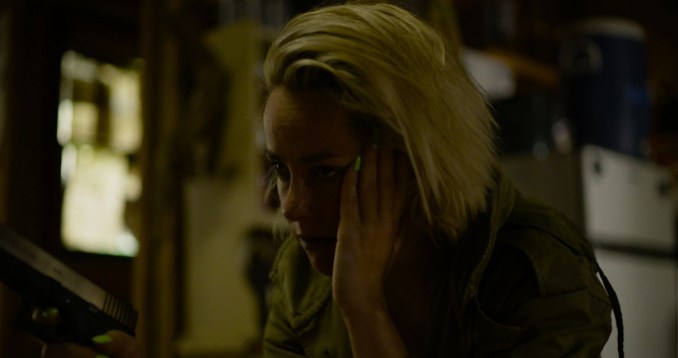 The camera work has visceral intimacy. Writer-director Carter Smith (The Ruins) gives audiences a unique genre entry, with the leads being LGBTQ male characters in scenarios we usually see female characters tackle. Swallowed is part crime thriller, part coming-of-age, and body horror. This film is an LGBTQ scenario of nightmares. Get ready to squirm.
 It stars Jena Malone (The Hunger Games Film Series, Cold Mountain, Stepmom), Mark Patton (A Nightmare on Elm Street 2: Freddy’s Revenge, Freddy vs. Jason), Cooper Koch (Fracture) and Jose Colon (Feature Acting Debut)
 One of the most extraordinary and exciting cinematic experiences of the year, GRIMMFEST 2023 audiences got a taste of the uniqueness of Moon Garden. A five-year-old girl’s trauma manifests as bizarre and visceral images as she sits in a coma. The audience hears the real-time action as the doctors and her parents navigate their tumultuous relationship. Guided by her parents’ voices, Emma attempts to escape her mysterious prison world, wading through creatures of good and evil. Moon Garden is an industrial steampunk fairy tale that is relentlessly haunting and undeniably riveting.
 Moon Garden is character and world-building at its best. Fascinating and terrifying all at once, we are right alongside Emma in this frightening in-between existence. A bit of Return To Oz with a touch of Pan’s Labyrinth, the magic of Moon Garden grows with each passing second. The editing is stunning. In addition to the monstrous action, writer-director Ryan Stevens Harris incorporates memories, giving Emma the tools to survive in her strange surroundings. It’s a beguiling screenplay tackling love and fear.


 Ashleigh Murray is Alex’s best friend, Grace. She gives us the perfect balance of sweet, supportive, and firey. She’s a foil for Beauchamp. Sherri Sheperd is outstanding as Alex’s AA sponsor Ronnie. This is a fantastic turn filled with grounded concern, loving energy, and wise words. Her calm demeanor balances the chaos beautifully. She is a thoughtfully curated character.
 Jonny Beauchamp plays Alex. Writet-director Barry Jay‘s screenplay allows him to show his vast range as he assumes some of Shane’s personality traits as the story progresses. Beginning as a meek and mild, lost young man, Alex slowly becomes increasingly more aggressive. Mike C. Manning (Slapface) throws you off balance from the moment he appears onscreen. He oozes toxic masculinity, helped by his intense workout obsession and the score. Shane goes from subtle to overt manipulation quicker than I expected. He is downright scary. While Manning portrays the ultimate gaslighter, his character is more nuanced than at first glance.
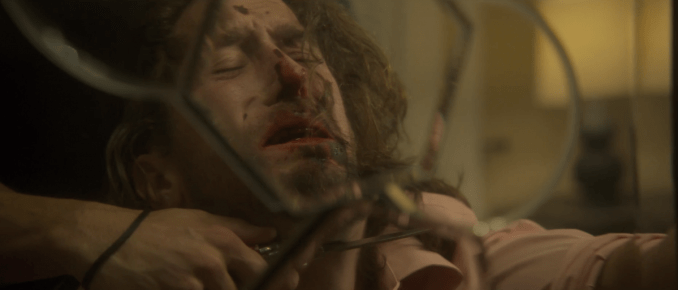 Overall, the lighting is a bit dark for my taste, but the score is carefully crafted and smartly used. The script morphs into a sick and twisted revenge story I did not see coming. There is a complex moral ambiguity that is endlessly intriguing. The Way Out is an unexpected journey of self-discovery and one credible psychological thriller.


 Like in The Blair Witch Project, each character goes by their real-life name. Banfitch is the sole cinematographer. The shaky handheld camerawork gives the film solid legitimacy. The sound editing varies based on the speaker’s proximity to the camera, lending to the validity of the experience. With the film opening with a horrifying 911 call, memory card number one contains relatively mundane introductions to the characters. Background information reveals itself in what is essentially Robbie’s private vacation footage. But, you’re so entranced by the opening audio, you become obsessed with discovering the cause of those screams. That, my friends, is compelling editing.
 Card two introduces the mystery in earnest. Card three is chaos. 99.9% of the film occurs through Robbie’s lens’ perspective. Much of the explosive final hour is lit by nothing but a flashlight. Therefore, a great deal of what we can’t see paralyzes us. Don’t for a second think that the daylight is any safer. What we do get a glimpse of is gag-inducing and chaotic fear. Ultimately, the ear-piercing manipulation of sound grabs you by the throat. I forgot to breathe. Fair warning: Everything is so dizzying you may get queasy. The script evolves in such a clever and unique way I just resigned myself to yelling. “WTF?!” at each new reveal. It simply keeps going and going. I stopped trying to figure out which way was up. THE OUTWATERS‘ final few minutes made me gasp. If that’s not an endorsement, I don’t know what is. Robbie Banfitch is the next great horror auteur. No one can take that away from him.


You must be logged in to post a comment.