

AFTER SUN

One of the most surprisingly intimate NYFF60 films centering on a father-daughter relationship, Charlotte Wells‘ AFTER SUN, hits you square in the chest, over and over. Eleven-year-old Sophie and her father, Calum, go on their annual holiday. A resort in Turkey is the backdrop of a screenplay that has three distinct narratives playing out simultaneously. And by that, I mean AFTERSUN is a coming-of-age film, a story of depression and the unbreakable bond between a parent and their child.
It is quickly apparent Calum is struggling with his mental health but attempts to make the most of his time with Sophie. Like most kids, she is keenly aware of her father’s tendency to please, regardless of his financial circumstance. Their vacation, while average to Sophie, proves to be their last.
The film utilizes camcorder footage. Sophie is behind the camera. The film’s cinematography also lends to the intimacy, with close-ups of hands and faces, as well as the use of reflections, in everything from mirrors to glass doors and television sets. Besides the fantastic costumes marking the 90s, the soundtrack makes it loud and clear while subtly enhancing the story. Carefully chosen tracks like “Under Pressure,” even though it’s from 1981, speak volumes. There are moments in the film that appear unusual until you realize the larger picture. Calum frustratingly attempts to teach Sophie a self-defense technique that feels inappropriate for her age. He is unbothered by her confession of a first kiss and more focused on the fact that she felt comfortable sharing about her life. He offers her a sip of beer. What draws us into the screenplay is an intoxicating mix of awkward moments juxtaposed by a relationship one strives to have with their offspring. The care Calum expresses, the time feels weighted and invested.
Paul Mescal is extraordinary. The emotional highs and lows draw you into the film. If you’re a parent, they also cause concern for Sophie’s well-being. Frankie Corio is a revelation as Sophie. She is funny, spontaneous, observant, and fearless. Mescal and Corio share an onscreen bond that feels genuinely familial. If you didn’t know better, you would swear this film was a documentary. Charlotte Wells has given audiences an exquisite gem in AFTERSUN. You must seek it out.


 Tora the Trucker Cat, truck driver David, and girlfriend Destiny travel together from state to state for months. Tora has a leash to explore national parks and a seat in David’s backpack when she needs a break. Tora has become the focus of David’s newfound photography skills. She’s a bit of a celebrity that’s allowed David to express himself in ways he never thought possible.


 Sir Anthony Hopkins plays Paul’s grandfather, Aaron. Hopkins nails the role with charm and grace. He is a crucial moral compass for Paul but is also part of the broader problem. Gray explains how this microcosm of one family is just as relevant today, stating that one can be oppressed and still be an oppressor. This idea is never more true as we watch Paul begin to understand white privilege while simultaneously wrestling with his desire to be an artist and feeling unsupported, behavioral acting out, and the subsequent physical discipline.
 Let me explain why the cast’s explanations became of great significance. The most successful aspect of Gray’s script is the nuance in character building. These are not sugar-coated versions of people, but characters in volatile times, racially and economically. Their flaws are exponentially recognizable, regardless of the year. Armageddon Time could be happening right now. The cynical nature of history and generational trauma will have audiences’ hearts in their throats, shaking their heads in shame for much of the film. Therein lies the film’s strongest achievement.


 Natascha McElhone is elegant and effortlessly charming. CARMEN is essentially a later coming-of-age tale. McElhone’s wide-eyed exploration of life is enchanting, funny, and honest. Shot on the beautiful island of Malta, which if you’ve never been, I suggest you visit. The script’s structure utilizes flashbacks of Carmen’s elusive backstory. Writer-director Valerie Buhagiar brings unbridled joy and hidden complexity to audiences. CARMEN is a delight.

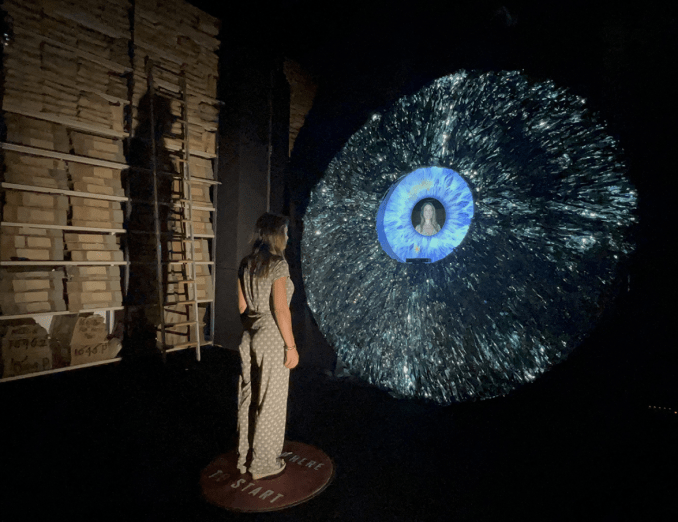 Youssouf arrived on the shores of Naples in a rubber dinghy from the Ivory Coast in 2016. Alone and with nothing to his name, he endured discrimination, educated himself, and began to work. Engaged and with a child, his goal is to be present for her. Adopted at the age of five from Moscow, Larissa found herself bullied for her appearance, leading her to abuse alcohol. Resiliency and self-love push her forward in life.


 Will-o’-the-Wisp

 Bones and All


You must be logged in to post a comment.