
 SO UNREAL

Cinema and Cyberspace collide in this fascinating study of the effects of the internet. Debbie Harry‘s echoing narration guides us through history and cinematic timelines, how easily we welcomed computers into our homes, and how swiftly technology transitioned from entertainment to an eventual subconscious weapon. Amanda Kramer‘s SO UNREAL reminds us how films push the boundaries of our technological imagination, and they predict them for better or worse.
The film delves into everything from hackers to virtual reality, cyber sex to anxiety-inducing, and the near-future prospect of a potential AI uprising. Harry talks audiences through an eclectic group of films like The Matrix, Tron, Weird Science, The Net, Hackers, The Lawnmower Man (one of my guilty pleasures), and a 1995 film loaded with untold apocalyptic prophecies, Strange Days. The script could be an audiobook or podcast all its own. Harry describes the entire play-by-play as if creating the alt text of an Instagram post. Jon Cooper’s graphics are a time capsule that comes to life. Enhanced by Josh Ascalon‘s ominous, 80s-inspired score and Benjamin Shearn‘s immaculate editing of sporadic audio clips and archival footage, SO UNREAL is a hypnotic head trip.
You’ll want to rush out and (re)watch every film mentioned in SO UNREAL. At a minimum, Kramer has one hell of a conversation starter across generations of cinephiles and tech users alike. A frightening peak into studio exec minds where actors are rendered obsolete, SO UNREAL is a terrifying and mesmerizing gut punch and navigation through an already curated online reality.


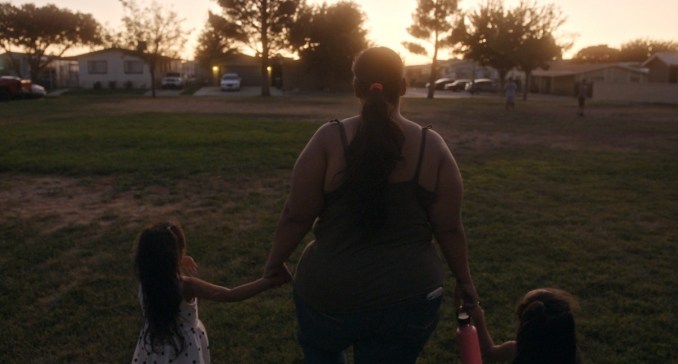 The families are eclectic. All shapes, sizes, races, ages, and socioeconomic backgrounds face the challenges of reuniting parents and children. Allegations range from neglect to sexual abuse. Each case is unique, and the system does not exist to react to those nuances.
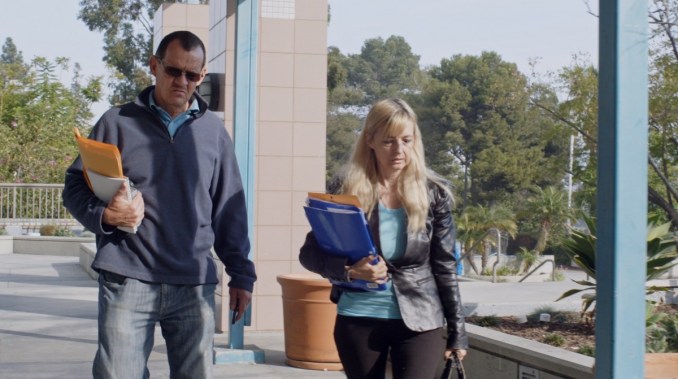


 The editing is masterful. The narrative flow is deliciously punctuated with L’Orange’s (Austin’s artist name) uniquely produced and created beats. His music is hypnotic, sampling blues and standards to assemble something fresh, almost binaural in its rhythms. While THE MAD WRITER follows Austin’s musical and surgical journey, it speaks universally to those suffering from depression and unsure of their place in the world. Austin says it best in the film. Everyone wants to feel “satisfied, clever, and useful.” He’s not wrong.


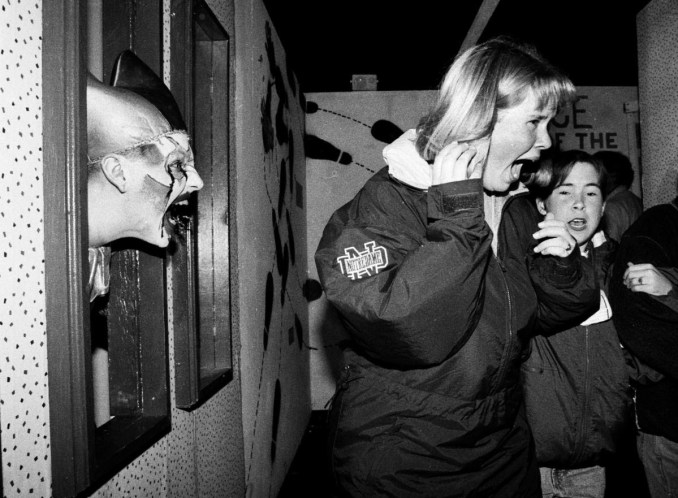 1991, in the middle of a Massachusetts cornfield, open every day in October, Dave Bertolino‘s Spooky World was a horror con and a theme park. It was the first dedicated haunted attraction, paving the way for every modern-day, big-name fright night across the country. Built on a dollar and a dream, Spooky World grew more popular and went through numerous iterations. As one of the first featured guests, Tom Savini’s direct influence on Spookyworld shifted from a homegrown haunted hayride to a proper frightening experience within a year, with Tom building his own branded Haunted House. The busier the park, the more elaborate and inventive Bertolino had to become.
 The townspeople of Berlin had a fantastic relationship with Bertolino. Bringing jobs, money, and recognition to a sleepy farming town. But, not everyone was thrilled with the boundary-pushing additions, playing politics and making Bertilino’s job harder. That’s not to say that his antics and ideas came without skepticism from within.
 Growing up in northern Connecticut, I cannot believe I never ventured up the Spooky World as a self-proclaimed Halloween addict and horror fanatic. I’m thankful the park ever existed, and its humble and exciting existence spread like wildfire so that global genre fans could care and scare together.


 The film consists of informal sit-down interviews, extensive personal writings, archival footage, and plenty of home videos of the generations of strong women in the family. We discover the hurt from Hiam’s past, the emotional baggage of leaving behind the turmoil of Palestine, but also the treasured connections of the women who shaped her. Hiam’s letters and poems serve as both insight and narration. They are intensely affecting.
 Hiam and her family love one another with their whole hearts. They have no filters when speaking to each other, and their words of affirmation are something to aspire to. Lina Soualem captures all of this in an elegant edit. The film is beautifully intimate. It’s a loving commentary on memory, identity, and honoring your past.


 The overwhelming joy of hearing these kids laugh is infectious. SUMMER QAMP is an education, through and through. As a former theatre kid and current creative adult with two kids, I strive to understand how identity plays a part in overall confidence. I grew up with often crippling anxiety, a stranglehold of perfectionism, and feeling othered. It doesn’t feel good. My job is to protect my kids from the same overwhelming feelings of chaos any way I can.
 SUMMER QAMP‘S brave kids allow the audience into their personal lives. They may not fully appreciate how fearless they are. Campers share their gender identity journey, the good, the bad, and the emotionally ugly. This film provides a conversation starter for understanding gender dysphoria from those experiencing it firsthand. It’s an aha of a film.


 The number of King’s books that jumped from page to screen is astounding. As a kid in the 80s, like many of the filmmakers in the doc, I grew up seeing King’s books on my family’s shelf but immersed myself in the films first. The kids in Stand By Me and IT became my peers. I rented The Shining, Creepshow, and Pet Sementary ad nauseum. By the time 1996 rolled around, I remembered the glee I experienced when I discovered The Green Mile in the grocery store checkout aisle.
 While we don’t hear from King directly, we see stills and videos of Stephen on the sets of his adaptations. Filmmakers like Greg Nicotero, Mike Flanagan, David Carson, Taylor Hackford, Tom Holland, John Harrison, Mick Garris, and Frank Darabont share how King’s books inspired their work. They speak to the overwhelming readability of small-town horror. King singlehandedly made Maine an unlikely horror destination. I love that everyone addresses The Shining controversy. Behind-the-scenes footage and anecdotes explain the breakdown between the book and the film. Kubrick obliterates Jack Torrance’s humanity that fans of the book (King, most of all) hate.
 King’s deep dive into the political landscape has always existed. The film explores his ability to explore universal truths, whether religion, race, or greed, and make characters lovable or loathsome based on their moral compass. In the same way, we joke about The Simpsons‘ writers predicting the future, Stephen King uses the global landscape to create villains and heroes that shake us to our core. Translating that from page to screen sometimes takes a slight adjustment. The best filmmakers always ask Steve first.
 For horror fans, KING ON SCREEN is like a kid coming home with a Halloween candy haul that would put you in a coma. For fans of his books, it’s like changing costumes and going out for round two. It’s delicious fun, no matter how cliche you might find the Easter egg-filled bookend scenes. They play like a Where’s Waldo for readers and genre fans alike. (I loved it.) So, turn the lights down and make popcorn. KING ON SCREEN scares up our nostalgia and celebrates a storytelling master.

 Utterly fascinating, this documentary horror hybrid effectively puts the fear of God into the audience. The film begins by sharing the history of each incarnation of what we now refer to as the “Ring” security camera, each inspired by a recurring nightmare. Historical recounting gets the creepy treatment with a random subject’s security footage playing in its fisheye lens version behind the storytelling text. There is no formal dialogue. This voyeuristic nightmare is unlike anything we’ve seen before, featuring videos of everything from natural disasters to doorstep theft and animal encounters to delivery people behaving badly and creatively.
 The score is bone-chilling, with its piano cords striking. It’s something straight out of hell. But, the film is even scarier than it initially appears when we learn the global and societal impact of advancing technology. Cinematic tropes alone reflect the world’s potential terror. Fantasia 2023 audiences get a taste of a film that would be a perfect Fall statement at MoMA. HOME INVASION is exceedingly disturbing. If anything, it reminds you how quickly the scales of good and evil tip. It will haunt you.


 In the fall of 2021, filmmaker James Gallagher rode across the country with Marc Rebillet on his sold-out Third Dose Tour to capture what it was about the artist, showman, and robe-clad musical alchemist that brought thousands of people out of their homes for the first time.


 The moment Sav Rodgers meets Kevin, it’s fireworks. Kevin gives Sav access to everything the rest of us have always wanted to know. Smith confesses that Holden is him. The film plays through his lens, and much of the story comes from real people in his life. Some conversations are word for word. Just ask a close friend of Kevin and GO FISH screenwriter Guinevere Turner, who put much of herself into Amy when collaborating on the script.
 Joey Lauren Adams, who gives us the iconic performance as Alyssa, explains her power in the role through archival interviews and a sense from the film. Kevin was, perhaps, ahead of their time in featuring a strong bisexual woman. But, the biggest irony may be Joey’s truth about CHASING AMY. This pivotal interview changes everything for everyone. Both Kevin and Joey get into their complicated past with Harvey Weinstein. Their experiences are vastly different. I am so grateful for their honesty. It means so much to so many survivors. *Waves hands in the air*
 Intertwined with everything else in this glorious doc, Sav lets us into their relationship with his girlfriend, Riley. Delving into deeply personal issues, he may or may not realize how universal they are until now. One part fanboy film, another part film history, all self-discovery story, and a love letter to Riley, CHASING CHASING AMY is tailor-made for Smith fans and indie fans, the queer community, and allies.

 THE CURIOUS CASE OF NATALIA GRACE


 NIGHT TWO:
 Episode 4 highlights Michael Barnett‘s evolution on camera spans years. His earliest interviews from 2019 display a well-spoken man recalling a shocking family nightmare. In the latest interviews from 2022, we see a completely different man whose story changes. He is a man slowly unraveling. It is challenging to decipher if the tears are crocodile or not. Jacob hints at a broader understanding of fault. It puts some of Kristine’s footage of Natalia into question and puts Jacob in a precarious situation, emotionally and legally.


 Episode 1 sets up Natalia as a mastermind and sociopath. To say it is unnerving is an understatement. Episode 2 features intriguing audio from phone calls with several Indiana State Mental Hospital staff. Enter legal expert Beth Karas and new details from witnesses that dispute many of Michael Barnett’s storytelling. Now, the audience finds themselves in a tailspin.


 Based on Michael Hall‘s articles from 2004, Mineola, Texas, HOW TO CREATE A SEX SCANDAL is a shocking tale of deceit and power. It’s time for some good old fashion pearl-clutching before tearing them off in a rage.
 Episode 2:


 Interrogation videos are startling, to put it nicely. The difference in tone and language between the accused and accusers will infuriate you. Victims appear in shock; most of them are taught to respect authority. The victim blaming and shaming will make your blood boil. This systematic problem is the personification of rape culture. Detective Carl Hershman, an incredible former SVU officer, helps us understand the why and how. The force needs more people like him.
 The psychological damage is unfathomable. Trust me when I say there are more sexual assault survivors than you are comfortable comprehending. VICTIM/SUSPECT uses police officers’ own words against them. The blatant lies and heinous tactics to have these victims recant will blow you away. Your head will spin when you discover their training includes using “ruse” in questioning. The lack of actual investigation is staggering. Journalists like De Leon are quite literally saving lives. Nancy Schwartzman and Netflix are doing an essential service to victims with VICTIM/SUSPECT. It can only lead to justice.


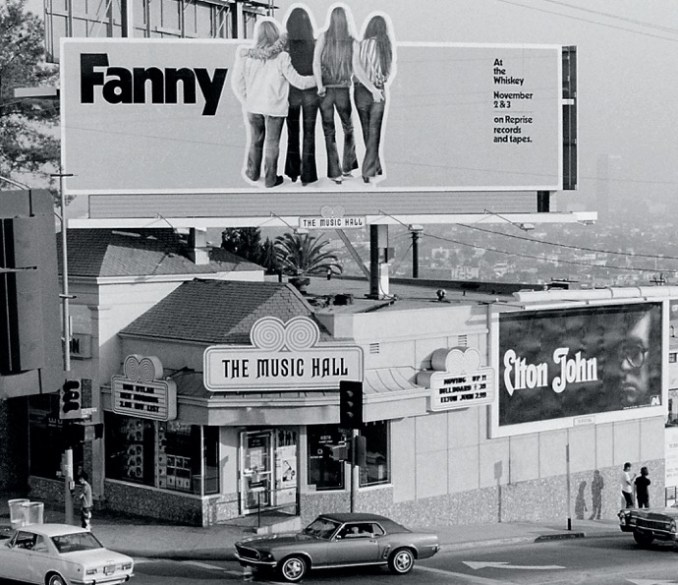 Experiencing Fanny’s songs for the first time, I immediately recognized the impact made on so many other artists. So how is Fanny not in my musical catalog? Jean, June, Alice, Brie, Patti, Cam, and Nickey were trailblazers who worked three times as hard as men and cranked out thought-provoking lyrics ahead of the times. Fanny was a feminist rock group with sharp wit and zero fear. The documentary utilizes sit-down interviews, studio sessions past and present, and live performances on stage and on television. The archival photography from Linda Wolf is extraordinary.
 Fanny broke up due to a deadly combination of things; misogyny, societal times, no one big bop to make money, and having a studio that pushed them to their limits. As members came and went throughout the years, the sound morphed but always retained that iconic grit.

You must be logged in to post a comment.