



EMILY imagines Emily Brontë’s own Gothic story that inspired her seminal novel, “Wuthering Heights.” Haunted by the death of her mother, Emily struggles within the confines of her family life and yearns for artistic and personal freedom, and so begins a journey to channel her creative potential into one of the greatest novels of all time.
EMILY shares the part-fictional story of a brilliant writer whose life and loss of love inspired one of the greatest novels of all time.
 Wuthering Heights fans will recognize the inspiration in Frances O’Connor‘s screenplay. Sibling and familial dynamics loom large, as does jealousy. A myriad of topics appears in the script; grief, individualism, and life in the arts. Emily shirks gender norms and yet yearns for the approval of her Father. Betrayal, morality, lust, defiance, sibling rivalry, adoration, and spite play keen roles in EMILY. A particularly sharp monologue serves as a Freudian confessional. It is brilliant and heartbreaking.
Nanu Segal’s cinematography is both visually striking and emotionally impactful. The score is chill-inducing, ethereal, and classic all at once. Emily contains one of the most gloriously choreographed love scenes. Two particular moments in Sam Sneade‘s editing were particularly effective. First, when Weightman and Emily discuss their inspiration in writing, and second when William first reads Emily’s poem. These subtle choices are massive emotional shifts in the narrative. Bravo.
 Fionn Whitehead plays Branwell Brontë with the vibrancy of a firecracker. He is a delightful foil for Mackey. Their connection is undeniable. Oliver Jackson-Cohen is Mr. Weightman. Battling societal morality and love, Jackson-Cohen gives a stunning performance. His intuition and chemistry with Mackey are explosive.
Emma Mackey is perfection. The script allows her to play the full spectrum of human emotion. She is vulnerable, anxious, fearless, defiant, and endlessly passionate. Emily’s curiosity for life and experience gives Mackey the freedom to immerse herself in the role. She nails it.
EMILY is every English Lit major’s fantasy. Emily is an iconic feminist role model, walking the thin line between relatable and remarkable. Frances O’Connor gives audiences a heroine to admire and aspire to be.
Bleecker Street will release EMILY
in select theatres February 17, 2023
Directed by: Frances O’Connor
Written by: Frances O’Connor
Produced by: Piers Tempest, Robert Connolly, David Barron
Cast: Emma Mackey, Fionn Whitehead, Oliver Jackson-Cohen, Alexandra Dowling,
Adrian Dunbar, Amelia Gething, and Gemma Jones
Rated R | 130 minutes
Facebook: @BleeckerStFilms
Twitter: @bleeckerstfilms
Instagram: @bleeckerstfilms
#EmilyMovie


 Swallowed is a genre-obliterating film with fantastic performances. Jena Malone adds gritty believability. To no one’s surprise, she manages to bring charm and intensity. Koch and Colon have spectacular chemistry, and you 100 percent buy their relationship. Koch possesses an accessible vulnerability. Colon’s honesty feels grounded. Bravo for their openness to go full frontal nude. We all know how rare that is, and it makes complete sense given the plot. The film also features a solid villainous turn from Mark Patton, a genre legend from A Nightmare on Elm Street 2. One line, in particular, is slyly redemptive given his status in the horror canon.
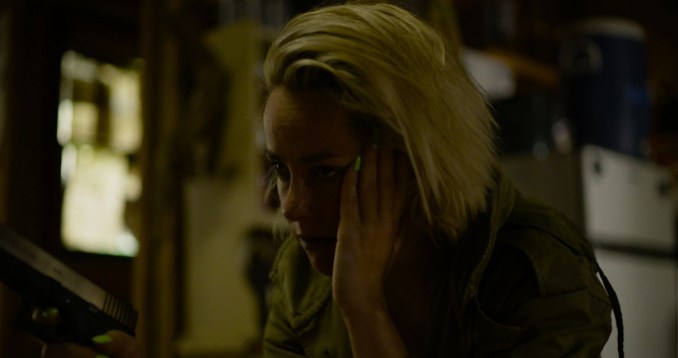 The camera work has visceral intimacy. Writer-director Carter Smith (The Ruins) gives audiences a unique genre entry, with the leads being LGBTQ male characters in scenarios we usually see female characters tackle. Swallowed is part crime thriller, part coming-of-age, and body horror. This film is an LGBTQ scenario of nightmares. Get ready to squirm.
 It stars Jena Malone (The Hunger Games Film Series, Cold Mountain, Stepmom), Mark Patton (A Nightmare on Elm Street 2: Freddy’s Revenge, Freddy vs. Jason), Cooper Koch (Fracture) and Jose Colon (Feature Acting Debut)
 One of the most extraordinary and exciting cinematic experiences of the year, GRIMMFEST 2023 audiences got a taste of the uniqueness of Moon Garden. A five-year-old girl’s trauma manifests as bizarre and visceral images as she sits in a coma. The audience hears the real-time action as the doctors and her parents navigate their tumultuous relationship. Guided by her parents’ voices, Emma attempts to escape her mysterious prison world, wading through creatures of good and evil. Moon Garden is an industrial steampunk fairy tale that is relentlessly haunting and undeniably riveting.
 Moon Garden is character and world-building at its best. Fascinating and terrifying all at once, we are right alongside Emma in this frightening in-between existence. A bit of Return To Oz with a touch of Pan’s Labyrinth, the magic of Moon Garden grows with each passing second. The editing is stunning. In addition to the monstrous action, writer-director Ryan Stevens Harris incorporates memories, giving Emma the tools to survive in her strange surroundings. It’s a beguiling screenplay tackling love and fear.


 Ashleigh Murray is Alex’s best friend, Grace. She gives us the perfect balance of sweet, supportive, and firey. She’s a foil for Beauchamp. Sherri Sheperd is outstanding as Alex’s AA sponsor Ronnie. This is a fantastic turn filled with grounded concern, loving energy, and wise words. Her calm demeanor balances the chaos beautifully. She is a thoughtfully curated character.
 Jonny Beauchamp plays Alex. Writet-director Barry Jay‘s screenplay allows him to show his vast range as he assumes some of Shane’s personality traits as the story progresses. Beginning as a meek and mild, lost young man, Alex slowly becomes increasingly more aggressive. Mike C. Manning (Slapface) throws you off balance from the moment he appears onscreen. He oozes toxic masculinity, helped by his intense workout obsession and the score. Shane goes from subtle to overt manipulation quicker than I expected. He is downright scary. While Manning portrays the ultimate gaslighter, his character is more nuanced than at first glance.
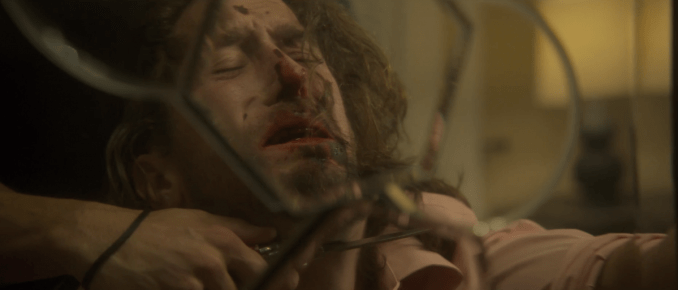 Overall, the lighting is a bit dark for my taste, but the score is carefully crafted and smartly used. The script morphs into a sick and twisted revenge story I did not see coming. There is a complex moral ambiguity that is endlessly intriguing. The Way Out is an unexpected journey of self-discovery and one credible psychological thriller.


 The film utilizes classic devices. Mirrors and reflection play a dual role. Reds and fuchsias feature prominently in the form of nail polish, shoes, a toothbrush, Kyoko’s blouse, a robe, and phone case, and most importantly, the scar. I can see why this was such a hit on the festival circuit. WOMAN OF THE PHOTOGRAPHS begs a larger conversation about image and self-worth as dictated by the internet and society.

 The writing is perfectly genius, as it disguises the mystery within the secretive nature of the religion. I watch a lot of horror. ATTACHMENT had me on the ropes. I had no idea where this script would land. The language barrier raises the stakes, as important revelations become lost in translation, literally. Performances are spectacular and nuanced. The emotional journeys are lush. Their pasts slowly revealed creating a genuine and curious bond. I could not take my eyes off the screen while watching Attachment, fearing I’d miss the smallest detail. Audiences will be hypnotized.


 Although the zombie makeup is not great, costumes and general makeup are thoughtfully aged and disheveled. Something that is usually a sticking point in low-budget apocalyptic films. I was equally impressed with the locations. It appears the filmmakers had a lot of options, and they used them to their advantage. Performances are strong all around. A large ancillary and featured extra cast makes for a more impressive final product.
 While the drama is a touch overplayed, perhaps akin to a Lifetime drama hokeyness, that does not lessen the intriguing arc in a genre that is tricky to conquer with new ideas. So while we’ve seen the sentimental attachment aspect in the past, the surprising plot point surrounding the very badass Ellen Hillman was phenomenal. Alive‘s final reveal garnered an honest, approving nod from me. I applaud the passion and commitment of writer-director David Marantz. It undoubtedly has an audience.

 On the surface, the film is an intimate character study of the growing tensions in a family and community in close quarters and the disruption of everyday life. Slyly mirroring the Israel-Palestine tensions in a darkly comedic way, LET IT BE MORNING tackles the status quo, the want for power, and the need for change in a superbly brilliant way.


 The film begins with intriguing flashbacks of a cult murder, newspaper clippings, and a hauntingly saccharine song. The setup immediately captured my attention. A sudden shift in style and time reveals Karma and Sunny living in fear and relying on the kindness of former cult members for protection. Small crumbs of cult life are just enough to keep you invested in Karma’s fate.
 Michael Madsen is vile. His iconic voice serves him well as Paul, giving him an effortless presence. He could have been made more menacing with a few tighter shots overall. Kimberly Alexander plays Sunny with extraordinary nuance. This roller coaster ride of a role spans every emotion; adoration, cruelty, and unadulterated honesty. Alexander goes for it.
 It takes a solid 25 mins to get to any action, but then it is pretty much maniacal from there on out. The plot gets more sick and twisted as we roll along, both physically and psychologically. WAKING KARMA shines brightest in the scenes between mother and daughter. The shockingly devastating dialogue by director Liz Fania Werner with co-director Carlos Montaner‘s DP work almost demands an in-depth


 Mesmerizing closeups of body parts beading with sweat captured with static and handheld camerawork beautifully complement the conversations and place the audience inside the room. Haunting vocals during transition moments captivate the audience. Images of south Estonian matriarchs are projected on the sauna smoke as their voices recall tales from their lives. It is another stunning addition to an already visually sumptuous film.
 Topics like cancer, women’s rights, body shaming, unresolved trauma, sex, and sexuality swirl freely. It is a safe space I envy. Smoke Sauna Sisterhood brings a contagious joy. There is a raw elegance I think Sundance 2023 audiences, specifically female viewers, will welcome. This film is a celebration of our complexities, highlighting the tender care we take with one another. It is revelatory to rediscover the interconnectedness of women and our shared experiences, good and bad. It is an astonishingly rewarding emotional catharsis.
  Anna Hints is an Estonian film director with a background in contemporary art and experimental folk music. Having deep roots in the distinct culture of South Estonia, Hints’ second home is in India. As an active dumpster diver, Hints’ short documentary For Tomorrow Paradise Arrives initiated public discussion and growth of new grassroot movements against food waste in Estonia.
 Imagine a scenario, if you will, where the federal government controlled the entirety of the media. Ask North Korea and China’s citizens how well that works for them. Native American tribes are sovereign nations. They do not have freedom of the press. In the Sundance 2023 documentary from Rebecca Landsberry-Baker and Joe Peeler, BAD PRESS exposes the crushing actions of tribe leaders to remain in power. MVSKOKE MEDIA journalists are under attack while the Chief manipulates the Muscogee community with misinformation. Who will protect the truth?
 The biggest question becomes, “What do you have to hide?” BAD PRESS is the perfect Sundance 2023 companion to watch with
 Slamdance 2023 Premiere of
 After jail-time, 12-step programs and five marriages, Annie begins her acting career in her mid-fifties with the help of a young director she met at a Burger King. In this show within a show, Annie tackles both her gigs as an actor and the role of herself in her own life story.
 A farcical meta delight, Slamdance 2023 episodic WHO’S ANNIE skewers the absurdity of Hollywood, but that’s only the beginning. Annie Pisapia plays herself and doesn’t. Yup. You read that correctly. This “series within a series” is wildly entertaining and wholly bizarre.
  Writer-director Sophia Peer plays “herself,” a television director with awkward and quirky energy. Peer bears a striking resemblance to Rhea Pearlman. It’s a head-scratching role, and I could not look away. Sofia Dobrushin plays the “series” version of Peers. Wide-eyed and perfectly cast, Dobrushin appears both afraid and at home in coordinated chaos. I adored her. Annie Pisapia owns the screen, as her comic timing is something to behold. Her rough exterior feels part false flag, part true identity. She is so convincing it is genuinely tough to discern between Annie’s real life and the script. That is the entire point of the series, and Peer has succeeded with flying colors. Adding in Peer’s manic confidence and Dobrushin’s “yes, and” attitude, these three women exquisitely complement one another.
 Because the show jumps in style, so does the cinematography. It is eye candy that never gets boring. It is pure silliness, and I’m dying for more. It’s Comedy Central meets Mad TV. There is a lot of meat on the bone for series development. Everyone has enough (or a lot) of backstory to expand upon and plenty of weirdness to start.

 The editing combined with the score creates a charming and deeply affecting quality. Confessional diary logs place us in Ella’s headspace. She uses home videos and sit-down chats with her Mum and Dad about what it was like to raise her. Seeking specialists and families with the same disability offers Ella more questions than answers. We follow Ella through an unexpected pregnancy. Her gorgeous son River and the Covid 19 pandemic change how she views potential surgery options. As she speaks to others via Zoom, she contemplates the appreciation of her body.
  The discussion of ableism is paramount to understanding Ella’s life and any family with a differently abled member. I am the mother of a seven-year-old son with Autism Spectrum Disorder. I suspect that with his off-the-charts cognitive abilities, the more precise diagnosis is Aspergers. I appreciated Ella and her best friend Naomi’s honest discussions about her autism and the challenges of an invisible disability. Each admits they cannot fully understand the inner workings of one another’s feelings and worry they have inadvertently said horrible things to one another. Understanding the staring, judgment, and how it pierces the heart cannot be ignored. That is also why the conversations with Ella’s parents resonated with me. Like Ella seeking someone to connect to, her Mum and Dad were touchstones for me.
  IS THERE ANYBODY OUT THERE? tackles outdated stereotypes and deep-seated trauma, but also optimism. I hope Ella Glendining understands the gravity of her film. I have to thank her for sharing her life, and I look forward to sharing her story with my son when he is a bit older. IS THERE ANYBODY OUT THERE? celebrates individualism and isn’t that the ultimate goal?

 The thrill of taking the otherworldly hand becomes like a drug to the group. This shockingly dangerous behavior throws me back to my teen years, forcing this horror fan to wonder if I would suffer the same fate. A goody two shoes concerning drugs and alcohol does not negate my risky excursions in the New England woods in the pitch black of summer nights. As Mia and her friends battle the typical parental control and need to fit in, their heightened chase of danger spells nothing but doom. Writers Bill Hinzman and Daley Pearson, with concept by Danny Philippou, give us all the background we need to get sucked into this wild scenario, leaving just enough mystery to keep us salivating.
  The practical fx are solid. The film’s special effects makeup team does a remarkable job of creeping the audience the fuck out. The work becomes more elaborate as the story progresses. It is spectacular.

 The film looks beautiful. Fran Fernández Pardo‘s cinematography highlights the rich colors in fabrics and paint and captures extraordinary angles in fantasy sequences. The commentary on religious oppression and desire is unmissable. The performances are outstanding. Kiti Mánve breathes vulnerability and quiet ferocity into the role of Mari Cruz. It is a stunning, award-worthy turn.
 Screening Times

 The competition does not occur annually, making it all the more exclusive. Here is how it works: Stage One: 87 participants, Stage Two: 46, Stage Three: 23, Stage Four: 12. The film bounces from the competition to our pianists’ hometowns before competing. A peek beyond the bench, we witness rehearsals, family life, and personal confessions.
 An undeniably shocking level of emotional investment comes with experiencing PIANOFORTE. The amount of pressure is unimaginable. The film’s final edit is a masterpiece. Undoubtedly, the audience may suddenly find themselves unexpected piano enthusiasts.
 In AirHostess- 737, we meet Vanina, a 39-year-old flight attendant trying to hold it together. Self-conscious over her new braces, her anxiety rises as the film progresses, exacerbated by a passenger, the pilots, and strong turbulence. But there is far more on Vanina’s mind than her newfound hardware.
 As a frequent flyer, I instantly grinned at actress Lena Papaligoura‘s deadpan demonstration of safety protocols. Her performance hits every note. She is funny, manic, dedicated, and pitch-perfect.
 Living in New York has its ups and downs. No matter how expensive your apartments are, the walls are always paper thin. You come to know your neighbors for better or for worse. Director Mike Donahue and writer Jen Silverman give Sundance 2023 audiences so much in their 15-minute short film TROY.
You must be logged in to post a comment.