
 JE’VIDA
With a face hardened by years of hurt, chain-smoking Lida carries the weight of a life defined by the shame and marginalization directed at her as a Sámi woman in contemporary Finland. Though strangers, she sets out alongside niece Sanna to clear out their long-held family home in preparation for its sale. Lida’s instinct to burn anything and everything connected to her past is quickly overcome by memories of a warm childhood spent fishing with a loving grandfather; of railing against the boarding school that tried to beat the Sámi identity out of her; and of being a young woman whose only option was a marriage that could take her far away from her Native roots. Lida finds herself facing a powerful reckoning with her past and a quiet reclaiming of her true self: Je’vida.

Stunning black-and-white cinematography beautifully captures a weary woman haunted by echoes of childhood. Lida reluctantly returns to her reclusive childhood home. Following the death of her estranged sister, her task to clear out the house for the new owner becomes complicated by the presence of her free-spirited and curious adult niece.
Director and co-writer (with Niillas Holmberg) Katja Gauriloff gives audiences a structure filled with flashbacks consisting of a youthful but trauma-laden home life, an abusive Christian school, and the death of those she held most dear. A third of the way through, we time jump to a young adult version of Lida where her innocence has spoiled. She becomes calculated and dispassionate, a defense mechanism for survival. Mixed with mesmerizing underwater shots and an elderly Lida quite literally burning her past, the film is visually breathtaking.
 Young Je’Vida comes to life through the eyes of Agafia Niemenmaa. This personification of innocence is captivating against the stark quiet of Finnish snow and ice. She is a star. Sanna-Kaisa Palo gives present-day Lida a palpable lived-in trauma and definitive rage. Dismissive at the beginning, her healing journey comes with the shedding of shame and reclamation of identity through the next generation.
Another glorious achievement, JE’VIDA is the first ever to be filmed in the Skolt Sámi dialect, only spoken by roughly 300 people. Some of the most glorious moments come in coping mechanisms in the form of imagined conversations with Grandpa. He doles out wise words to soothe a wounded child. The idea of home comes full circle in the end. An emotional stunner, JE’VIDA is a meditation on shame and grief.
JE’VIDA
In Person

 Directed by: Steve Buscemi


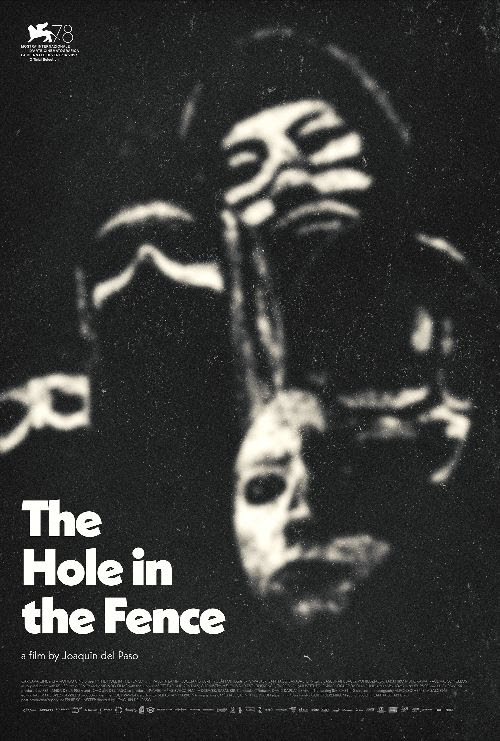
 Save one or two, a group predominantly of elitist little shits wage war against the weaker for power. To no one’s surprise, these kids could not care less about following the religious aspects of the camp’s intentions, instead actively torturing the child with the darkest skin. Perhaps the saddest part is how the hatred spreads so quickly.
 Outside the inner workings of the boys, there is a grander racism playing out beyond the chain link fence of the camp. A hole brings fear that an outsider has infiltrated the grounds. Slowly, we discover the nefarious intentions of the staff, the indoctrination of following orders, and never questioning authority.
 The film plays out in two distinct acts. Once in the woods, the fractures widen, and smaller groups become exceedingly hostile. This Lord Of The Flies meets The Village script is exhilarating. My nerves almost could not take it. Performances are extraordinary. The film speaks to a growing global evil in Christofascism, sexual abuse in the church, and the destruction of otherness. A HOLE IN THE FENCE displays toxic masculinity at its core. It is a sick test and focuses on the myth of manhood. It is a microcosm, and we should all be afraid.


 The script is equally as brutal as the first film. You have to respect it. WRATH takes us a step further into the depths of Nazi incels. The timely nature of the plot is brilliant and terrifying. Having Becky break the fourth wall is beyond satisfying. The mystery from the original begs for an extended storyline and a larger franchise.
  Sean William Scott takes a page from his performance in
  Becky represents every woman who is sick of your shit. This feminist horror icon, because that is precisely what she is to me, lets me live out my daily fantasies of earned rage. THE WRATH OF BECKY is a “fuck yeah” of a film. I implore Matt Angel and Suzanne Coote to keep this franchise alive and kicking (ass).

 All Man:
 Matt Bomer‘s narration adds a brilliant touch of nostalgia in a way that is hard to describe until you experience it for yourself. The film uses archival footage and photography, sit-down interviews, and creative transitional animation. The catalog was bright, smart, and sexy, and gave men something to aspire to be. It challenged the idea of masculinity with its European-inspired fashion and copy, written by Gene. He was meticulous in his work ethic, taking customer feedback and recognizing that 75% of their shoppers were women. Watching the images from the catalogs made me want to order (almost) every single article of clothing for my husband. Gene clearly understood the broad appeal. If International Male existed today, I’d be begging them to take my money.
  Everything shifted for International Male once the AIDS epidemic touched the employees and the world. Gene sold the catalog, and the new creative directors were more hesitant to hire queer staff, in fact, firing a huge percentage of them. In the 90s, the positive changes came in the form of more models of color. But with the loss of gay buyers and department stores filled with men’s retail, International Male was no longer a cash cow. But it’s easy to see how the catalog catapulted our current influencers in pop culture with the freedom to express themselves on a gender spectrum now celebrated across the globe. So, thank you, International Male. You made a difference while allowing us to drool.

 Shazad Latif, as Kaz, has a quiet confidence that draws you in from the beginning. He possesses something special that makes the audience feel safe around him. Anyone would be lucky to have Kaz as a member of their family. Lily James plays Zoe with ambition, smarts, and girl-next-door sass. This character’s depth, flaws, and strengths equally embraced make the film thoroughly relatable. Dating is complicated, especially now. James embodies the modern-day woman and brings an elegance to Zoe that captures the audience immediately. Latif and James have a chemistry that feels earned.


 Although outlawed in 1970, mushrooms had been in innumerable treatments beginning in the 20s. In 2000 Johns Hopkins received approval to continue research. Psychological readiness is intrinsic in granting patient approval. The study of psilocybin is just as important as cannabis studies, a subject DOSED also delves into at length. Meyers, Chandler, and Brooks allow us into raw trips. Laurie describes the images and sensations and, more importantly, the emotional after-effects of psilocybin. We hear from researchers and therapists about the positive effects of “magic mushrooms,” When we receive a fatal diagnosis, the psychological impact is immeasurable.
 Meyers and Chandler fully acknowledge the limitations of solely profiling Laurie but hope that her story will open up the dialogue for the curious and the medical field to come together in a mutually beneficial journey. DOSED is an intimate and deeply affecting film about the possibilities in the relationship between nature and healing. Laurie Brooks’ story is one filled with inspiration. We walk away acknowledging one vital thing; that fully experiencing every moment is the key to living.

 Directed by John Slattery


 The End of Sex tells the story of a married couple (Hampshire and Chernick) who are feeling the pressures of parenting and adulthood. After they send their young kids to camp for the first time, they embark on a series of comic sexual adventures to reinvigorate their relationship.
 Lily Gao
 The script nails the unfiltered complexities of adult relationships, particularly co-parenting and the ebb and flow of physical attraction. It centers on communication and the dangers of giving up on ourselves to mollify our partners. Relationships are rarely 50/50. THE END OF SEX goes there and sometimes falls off the edge in the best way possible.
  The quirky and overtly sexualized visuals on signs throughout the film become an over-the-top running joke. A brief but brilliant cameo from a comedy legend takes the script to another level. It is an unforgettable scene. THE END OF SEX celebrates kink rather than shaming. It permits viewers to explore fantasy while reflecting on intimacy. It’s a beginning of a conversation between partners, new and old, and a hell of a good time.


 Once she finds Jackson, Marge discovers he has been spending his days surfing, coaching, and drinking himself into oblivion. He is in no shape to bring Marge into his life. Undeterred, Marge makes him pinky promise to do better. As they fumble toward reconciliation, Marge learns to be bolder, braver, and more self-accepting.
 The women’s fútbol team overflows with cheeky personalities. These girls are great foils for Marge’s insecure nature. Jess Gabor is fantastic as Marge. She is natural, sarcastic, and vulnerable. Steve Zahn never disappoints. His comedic self-defense mechanisms pair well with the well-intended fatherly guidance. At the heart of it, Jackson is a damaged but kind soul. Zahn embraces his flaws, making him human and accessible. Together, they are easy to watch.
 Waving the logistical fact that a minor would never be allowed to cross the border without a passport or note from their parents, GRINGA tells the story of two lost souls growing together. The script tackles body dysmorphia, eating disorders, culture, alcoholism, grief, and unresolved emotional trauma. In the end, GRINGA is a charming coming-of-age story for both father and daughter.

 Despite the length of the contest, we learn very little about most of the contestants. This is the rare film I actually wished was a mini-series. Kyle (Joe Cole) serves as the audience’s main proxy in the competition. Before the competition details surrounding Kyle are mostly superficial. Kyle works at a local fast-food restaurant, has a deaf brother, and is motivated to win the truck to provide for his wife and baby. Kyle begins to unravel as the contest drags on from hours into days.
 The atmosphere surrounding the contest itself is beautifully realized. The imagery surrounding the laying of hands on the gleaming metal car feels explicitly religious. As the contest progresses, certain elements of the plot do begin to strain credibility. Kyle faces many rivals within the contest, but none of the build-ups leads to a satisfying payoff. A twist surrounding one character seems particularly far-fetched. A final coda has rich details but feels like it arrives too late.


 Director Oscar Harding happened upon the tape as a child but had only had the pleasure of watching until his father hit stop on the VCR. It isn’t until the VHS reemerges in his adulthood that he feels compelled to dig deeper into the man beyond the vast amount of background provided by Charles along the way.


 Luke Bracey plays Jesse, a photographer who returns with PTSD. His anger, bitterness, and assumptions sabotage a return to normalcy. Bracey takes us along on a journey that provokes real questions.
  The script would benefit from more scenes establishing the strength of Emma and Sam’s bond. The humor comes from Sam’s endearing and feisty conversations with his students. These scenes are genuine and hilarious. The film probably needs one or two at the beginning to establish Sam as a fully fleshed-out character, which only happens much later in the plot. Additionally, I would have loved to see Sam pining away for Emma as a kid. These nitpicky issues speak to the editing as a whole. The narrative is tricky as we jump in time. It could use a bit of reworking, in my opinion. I would watch this story as a series. There is so much to dig into.
 ONE TRUE LOVES


 Giedrius Kiela and Gabija Bargailaite play Paulius and Indre, respectively. Each brings qualities of pain. Kiela’s aggression has the audience in a death grip. His volatility is frightening. Bargailaite is more subtle. Her unraveling happens in a finale that breaks you. They are hypnotizing.
  Slick editing and long takes on a stationary camera make the audience an unwilling witness to Paulius and Indre’s plans. The script’s structure leaves much to the imagination as clues come slowly. My mind swirled as I watched Paulius walk Indre through the crime’s timeline. You feel compelled to keep watching. As someone whose close friend died under mysterious circumstances years ago, the unresolved pain and trauma are palpable. The need to understand and reason with the devil never fades, no matter how many years go by. PILGRIMS captures the very messy essence of grief.


 Thomas Parigi‘s performance transfixes. His ability to hold the audience in the palm of his hands, quite literally in this case, has the viewer waiting with bated breath for his next move. Parigi is a musician. His Soundcloud is as mesmerizing as his performance in the film. This debut role should garner him the attention he deserves. Parigi pulls you into this one-of-a-kind folklore horror dealing with loss, love, self-confidence, and generational embracement. The Strange Case of Jacky Caillou is an undisputable gem.


 The cast makes PAINT watchable. Stephen Root and Wendi McLendon-Covey are ensemble highlights. Ciara Renée plays Ambrosia with cool confidence. She is a smart foil for Wilson. Michaela Watkins plays Katherine, Nargle’s producer and ex-lover. Watkins displays a down-to-earth vibe. Her warmth is endearing, and her coping mechanism for rejection is relatable and funny. Owen Wilson brings his iconic vocal stylings to Carl. The character is more complex than at first glance. Underneath the fame is a lack of SF esteem and regret. Wilson does his best to save the script.
 The pace perfectly mirrors the setting of a PBS station in Burlington, Vermont. The dry humor will hit or miss with audiences. It plays like a Christopher Guest film without the mockumentary structure. It pokes fun at the art industry in a tangible and blunt way. In the end, PAINT is an unexpected love story. If you can rock with the vibe, good for you. If not, it’s a bit like watching paint dry.


 The cast’s chemistry is spectacular. Michael Urie is Jamie, Larry’s fiance. He’s the most down-to-earth of the bunch, with the better part of his screen time in sequences over the phone. Urie can do no wrong in my book. Veanne Cox is Sylvia. Her performance is frightening and downright brilliant. I would watch a stand-alone film on her character.
  Nicholas Logan plays Harrison. His overtly masculine energy, physical discomfort, and aggressive nature are a perfect foil for our four friends. His aura forces the audience to take stock of microaggressions and outright bigotry. Logan handles the distasteful behavior like a champ, and Harrison’s arch is a nuanced breath of fresh air.
 SUMMONING SYLVIA is one of the funniest queer films of the year. As a theatre girl, I was in my element. I knew these characters. The film’s climax has a dual purpose that beautifully mirrors life and the afterlife. The finale is celebratory. Do not miss this hell of a good time.
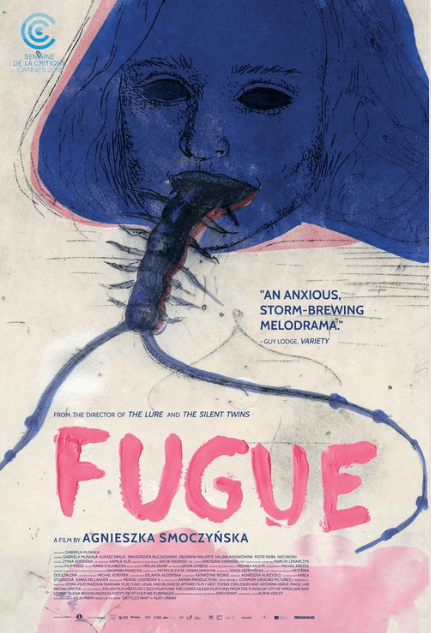
 Sporadic blue-tinged purgatory-like flashbacks of the woman in her heels, mussed blonde hair, and filthy trench coat give us little to go on. These sequences are undeniably unsettling. For most of the film, we draw our own conclusions based on the apparent hollowness of their marriage and a suggestion of an affair. Jakub Kijowski‘s bleak, but ravishing, cinematography sets the tone. Alicja stands apart from most of the action, furthering the feeling of isolation in an already stark environment.
  Iwo Rajski plays Daniel with a natural fierceness that suggests he is starring in a documentary rather than a narrative. He is fantastic. Gabriela Muskala pens the screenplay and plays Alicja/Kinga. Her ability to reel you into her turmoil feels effortless. She is magnetic.

 Azia Dinea Hale plays Nina, a young phone tech who gives private lessons to Mordecai. Dealing with an unexpected family secret, Nina pushes onward to assure Mordecai that he can take his future into his hands and heal through experience and art. Hale is as sweet and patient as we need her to be.
  Sean Astin is Marvin, Mordecai’s son. Marvin’s confident facade begins to crack under the pressure of his cigar business, Fela’s diagnosis, and unresolved feelings with his father. Astin leaves his heart on the screen. Marvin is a complex person doing his best to keep his head above water. Astin takes each beat with thoughtfulness. It is a carefully crafted character study.
You must be logged in to post a comment.