

TAILGATE

A cocksure, road-raging family man finds himself pursued and terrorized by the vengeful van driver he chooses to tailgate.
The villain in this film initially appears completely unassuming. That’s the bait and switch that is Tailgate. A simple premise of road rage produces one of the evilest monsters of all time. The level of fright this film provides will blow your mind. My palms were sweating, my heart pounding from start to finish. The terror is relentless. Performances are all top-notch. I give extra credit to our youngest cast members, Roosmarijn van der Hoek and Liz Vergeer. Their keen ability to keep up with the adults is outstanding.
Our very good friend Steve Kopian, from Unseen Films, pointed out an important device in Tailgate that heightens its entire concept. This story occurs entirely during the day. In fact, it essentially happens in real-time. But it’s the daylight factor that makes it the most sinister. Every atrocious act occurs both in broad daylight and before innumerable witnesses. It is baffling and infinitely exciting. Congratulations to writer-director Lodewijk Crijns. Tailgate is one of the best films at this year’s North Bend Film Festival, without a doubt.


 Dachra‘s initial formula is similar to The Blair Witch Project. Soon going off the rails into something we’d never imagined experiencing. What sets this film apart is remarkable cinematography and ghastly twists and turns. The runtime is lengthy but necessary to place you inside the shoes and minds of our three protagonists. Being thrown into a new culture is oftentimes shocking and uncomfortable. Dachra takes discomfort to the next level. The script forces the viewer to endure a deranged and prolonged experience of hospitality. As the mystery grows, so too does the terror. So many questions swirl as the film progresses. This isn’t just one story. Dachra has franchise potential, with sequels and prequels possible.
 Sometimes a film has the ability to sear an image into your brain. It’s rare when one film does it over and over. Hatem Nechi‘s camerawork is both dizzying and hypnotic. The long takes are impressive and eerily effective. There is real movie magic in Dachra. I am scarred by some of the things I saw. Performances are nuanced and skin-crawling. The practical fx are gag-inducing. The fact that this is writer-director Abdelhamid Bouchnak‘s first film is mindblowing. This story is very carefully curated to scare the hell out of the audience. It’s the perfect storm of horror and history.
 Bad news. Being unlucky in love is genetic.


 Till Death is a creative story about abuse, control, and reclaiming your voice. The film stars Megan Fox as Emma. She has been held emotionally captive by her abusive and powerful husband for 11 years. Their marital turmoil reaches new heights when a weekend getaway develops into physical captivity, with a side of heist and murder. Fox is great. The small moments of both recoil and challenge establish their dynamic, making for an uncomfortable watch. The physicality of this role is only half the battle. You cannot help but watch and yell at the screen alongside her. I think, “Son of a bitch!” came out of my mouth a lot. If I can be picky for a moment, I don’t think Fox’s character is given enough time to transition from submissive to badass, but that doesn’t lessen how enjoyable Till Death ultimately is. She gives a visceral performance.
 It’s a harrowing script. The tension is constantly being ratcheted up. I was not expecting such a cat and mouse game when it first began. It’s the ingenuity that grabs you. I was genuinely surprised by Jason Carvey‘s screenplay. It’s undeniably clever, gruesome, infuriating, and fun. Till Death is essentially the worst anniversary scavenger hunt ever. (Which is actually the best compliment.)


 Violet toils away curating her smaller comedy show all while taking the abuse of her boss, Bob. Taking back control is the name of the game, but things get a bit messy along the way. Bob Devore, whose name (I’m assuming) is intentionally close to the word “devour,” is the accomplished late-night figurehead on the comedy scene in L.A. He’s a real monster of a boss. No, like, he’s an actual monster. Under his thumb and in the shadow of his longstanding career, Violet longs to cut ties and make her own way. When love unexpectedly arrives, she must navigate everyone’s appetite for success and take matters into her own hands.


 Isolation, survival, depression, organized chaos. These are heavy-hitting words to describe a film with a blunt force trauma of an opening. My Heart Can’t Beat Unless You Tell It To is a film that’s been on everyone’s lips for a year now. It’s been killing it on the festival circuit, and rightly so. This slow-burn horror puts three siblings at odds due to one’s unique affliction. Jesse has become the taskmaster Mamabird, driving the survival of her family. Dwight is stuck between resentment and loyalty as his patience is running out. Youngest brother Thomas just wants to break free of his physical and emotional prison. Stunted in every way possible, what would life look like without his elder siblings? Is blood thicker than water? My Heart Can’t Beat Unless You Tell It To begs that very question, quite literally.
 Patrick Fugit as Dwight is heartbreaking. The cracks are evident from the very beginning. His conscience weighs on him as his desire for normalcy and peace are all-consuming. Ingrid Sophie Schram as Jesse is everything we need her to be. Focused and utterly exhausted. The survival of this family unit is driven by her sense of duty and not necessarily by love this many years in. She and Fugit are brilliant scene partners. Owen Campbell as Thomas is a nuanced mix of childlike and monster. You simultaneously sympathize and loathe him. These are striking performances.


 It took 8 months to get pregnant with my son. In the grand scheme for a lot of women, that isn’t long at all. Since I turned 35 in the first month of my pregnancy, it was deemed a “geriatric pregnancy.” That felt about as awesome as you might imagine. Growing a human being is stressful enough without the constant barrage of opinions. People telling you what you can and cannot eat, how you should parent, and what you should be feeling. It’s super fun. And by that, I mean it sucks, just in case you didn’t catch the heavy-handed sarcasm. Tribeca Festival 21 film FALSE POSITIVE takes all of that anxiety and cranks it to 11. Ilana Glazer and Justin Theroux play Lucy and Adrian, a couple that has a personal connection with a famed fertility doctor. From the moment Lucy gets a glimpse of her baby on the sonogram, she knows something is very, very wrong.
 The script does a solid job setting the stage with the misogyny and gaslighting thrust upon pregnant women. While the internet can be their worst enemy (for the love of God, stay away from WebMD) a mother has instincts that she should never ignore. False Positive smartly plays upon those anxieties and adds highly macabre stakes. You’re not quite sure what is real. It’s intensely dark. Ilana Glazer is pitch-perfect at every turn. Cast her in every genre, right now. Justin Theroux is a fantastic foil. You feel the skin-crawling vibe he unleashes once the audience is placed in Lucy’s shoes. His straight man act makes him all the more unsettling. Dr. Hindle is played brilliantly by Pierce Brosnan. His charm and calmness are grossly offputting even through his perfect smile.



 “You’re not the only one raising these girls,” Coach Jean Bell says to Tonia Handy, mother of the Sheppard sisters Tai, Rainn, and Brooke in a heartfelt moment that perfectly articulates the thesis of this story. Although the sisters have faced the kind of adversity that makes their success all the more inspiring, the magic of the film is in watching a village pull together to prepare these young ladies for bright futures of their choosing.
  The documentary picks up in the aftermath of these exceptional events as the girls navigate the demands of high-level competitive sport and more universal trials like coming-of-age. In the hands of a different group of filmmakers, the documentary may have focused gratuitously on the tragedy and hardship of the girl’s early lives or the precariousness of what they have now. Sisters On Track, however, is a joy to watch. Although the reality of the girls’ home lives is apparent, it is not exploited for pathos. Instead, the bulk of the film is watching a group of talented young women train and compete at the highest levels amid a continuous stream of motivational pep talks from Coach Jean Bell who is an inspiration in her own right (I could write an entire piece on the Jeuness Track Club where they train).


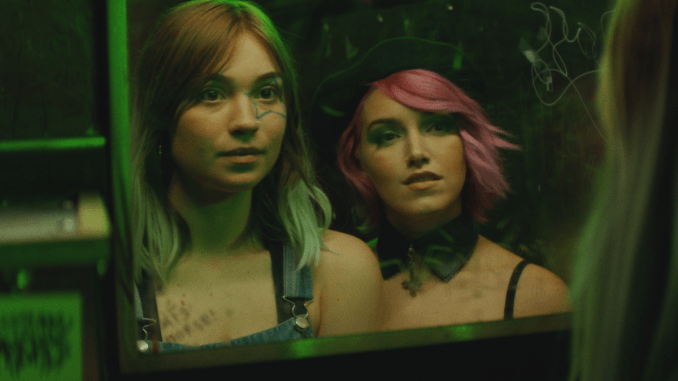


 Wendell is an ex-con whose parole officer enjoys berating him over the phone. When a new handyman job brings him to the door of Suzanne, a quirky woman with dementia, he’s in for more than unclogging her pipes. The set-up gets weirder and weirder. Secrets and lies live in this house, but not for long. Wendell’s path to freedom is dean on arrival. Do not get comfortable for a single minute of Dementia Part II.
 Graham Skipper plays such an asshole. It’s incredible to watch. Najarra Townsend, who was phenomenal in
  Shout out to Matt Mercer and Mike Testin for normalizing a runtime of 1 hour and 5 minutes. Good storytelling doesn’t need to be overstuffed with unnecessary nonsense. The dark comedy of Dementia Part II mixed with the very serious underlying mental health issues makes this film ripe for midnight screenings. I can already hear the audience yelling out Wendell’s many alternative names, making lewd gestures with pipes, and throwing $100 bills at the screen. You cannot go wrong with its vomit-inducing practical fx and outstanding performances from the entire cast.


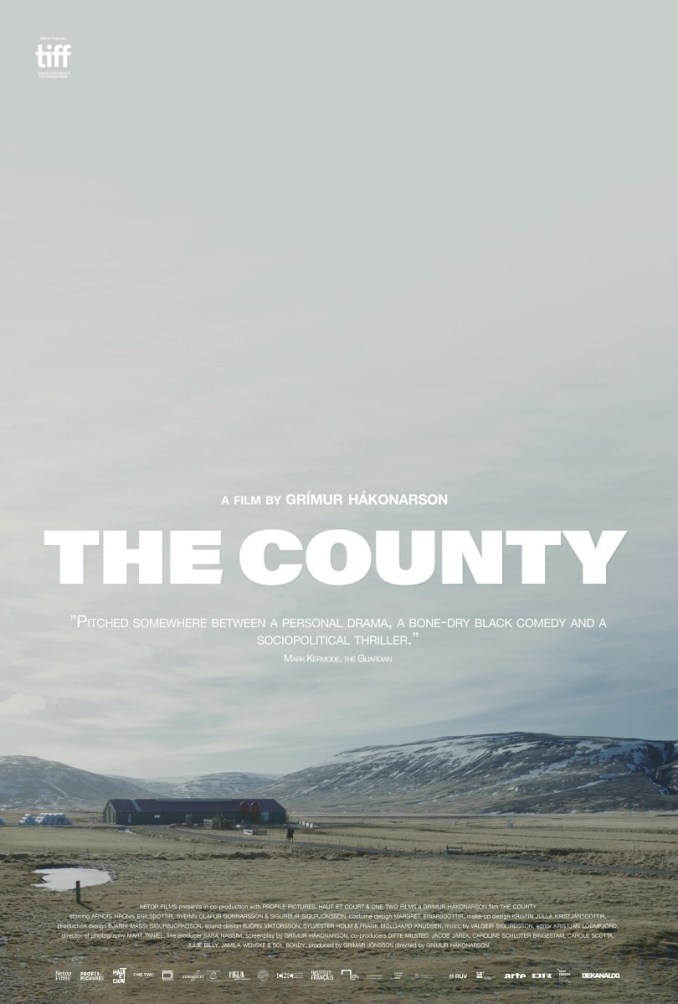

 What I loved about this film was watching the tenacity of a woman pushed past the breaking point. Using wit and pure gumption, Inga helps a community that’s being taken advantage of. Arndís Hrönn Egilsdóttir‘s performance is out of this world. She is funny, powerful, gutsy, and yet completely vulnerable and grounded. The film doesn’t simply rely on the natural cinematic landscape but smartly uses its scope to tell this story. The script has a beautiful flow to it.


 Up close, hand-held camera work intensifies the manic energy that radiates from this cast. This tragic and explosive story stems from a hit-and-run. With the world in upheaval over police action, this film focuses on the reactions of a small town department. When the mysterious driver flees on foot, chaos reigns when the incident becomes personal. The performances are astonishing. The screenplay is genius. You’re getting multiple narrative stories by watching the reactions of family, coworkers, and onlookers all at once. A naive rookie, a Chief close to retirement, hooligans in the crowd, a female officer’s first day, those connected to the victims, and a villain so loathsome your head will spin. These characters simultaneously clash in Supernova as events play out in real-time. There is not a moment to breathe. The quietest moment is the opening shot. Once the actors enter the frame the energy ramps up and become increasingly intense. Writer-director Bartosz Kruhlik plays with empathy and power dynamics in such an intelligent way. The complexity of the story just keeps growing. Your heart will race, you’ll seethe with anger, Supernova is that good.
 of *
of *
You must be logged in to post a comment.