
 LEONOR WILL NEVER DIE

Fiction and reality blur when retired filmmaker Leonor falls into a coma after a television lands on her head, compelling her to become the action hero of her unfinished screenplay.
 As a writer, this script is essentially a dream, pun intended. Leading lady Sheila Francisco is an absolute joy to watch, and her energetic narration/script reading is a blast. In her coma, she is living inside her story. The recreations of 80s action films are astounding, from the perfectly hokey score to the fight sequences. The visual jump from these to real life and then to memories keeps you on your toes. The semi-autobiographical nature of Leonor’s writing makes for a haunting, present circumstance. The nonchalance in which her son and ex-husband converse with their lost loved one is bizarre. But that’s only half of the wackiness that ensues. Leonor Will Never Die is weird meta fun. You cannot help but adore the heart behind it.


 Performances from the entire cast are spectacular. There is not a loose thread in the bunch. Here is where things get tricky. To tell you more about the plot defeats the purpose. You need to go into with as little information as possible. The complexity of MISSING is relentless. Do not get comfortable with what you think you know. Writer-director Shinzô Katayama and co-writers Kazuhisa Kodera and Ryô Takada bring twist after twist. I stopped counting at a certain point. The final scene is a mindblowing metaphor for everything we witness in two hours. Wow doesn’t even begin to cover it. Fantastic Fest 2022 audiences are in for one of the year’s best features.


 Natascha McElhone is elegant and effortlessly charming. CARMEN is essentially a later coming-of-age tale. McElhone’s wide-eyed exploration of life is enchanting, funny, and honest. Shot on the beautiful island of Malta, which if you’ve never been, I suggest you visit. The script’s structure utilizes flashbacks of Carmen’s elusive backstory. Writer-director Valerie Buhagiar brings unbridled joy and hidden complexity to audiences. CARMEN is a delight.


 Essie Davis helms this tale of morality, redemption, and love. Davis’ no holds bar performance of raw reactive emotion will have you on your feet. You cannot help but root for Bunny. Every opportunity comes with an unexpected challenge, but Davis’ slick attitude and ingenuity keep the audience in the palm of her hand. Bunny’s backstory is heartbreaking. The weight of her unresolved trauma is in every breath. It’s a stunning turn.


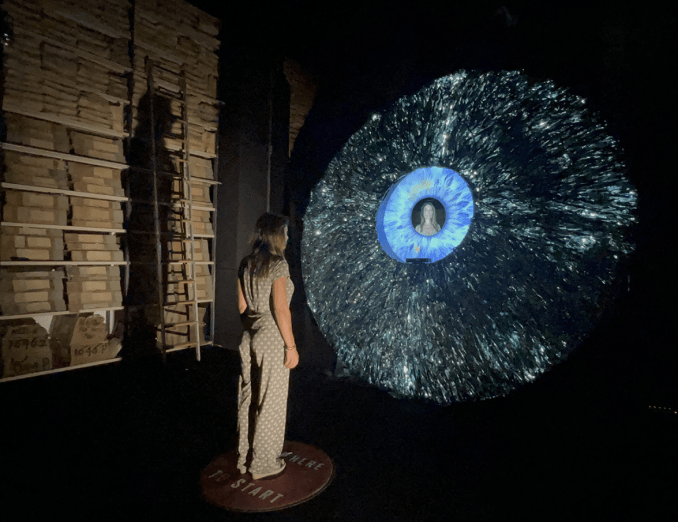 Youssouf arrived on the shores of Naples in a rubber dinghy from the Ivory Coast in 2016. Alone and with nothing to his name, he endured discrimination, educated himself, and began to work. Engaged and with a child, his goal is to be present for her. Adopted at the age of five from Moscow, Larissa found herself bullied for her appearance, leading her to abuse alcohol. Resiliency and self-love push her forward in life.


 How do you keep a nine-year-old from spilling the beans? Jean Costa brings the perfect amount of sass to the role of young Jean. His performance is so natural you might think he’s improvising each line.
 Maeve Jinkings plays Irene with slick confidence and a fearless attitude. She is never intimidated by Juan’s presence. On the contrary, she sees him as a nuisance and a necessary means to an end. Jinkings casual delivery under pressure makes Markowicz’s screenplay shine. It’s a real wow.


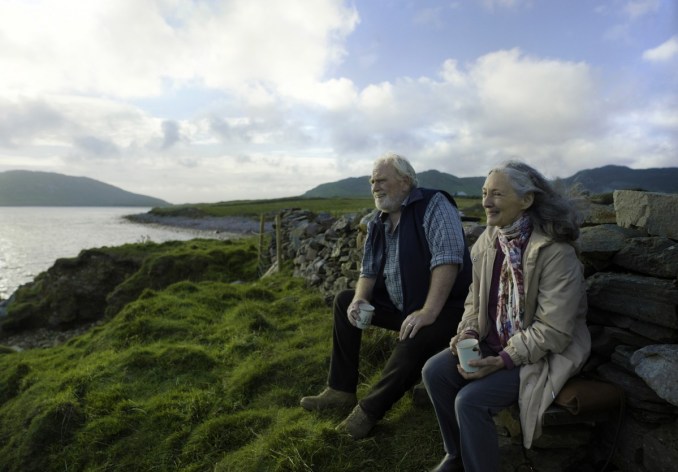 This endearing later-stage love story is as lovely as can be. Annie and Howard’s earnest chemistry come to life with the extraordinary performances by James Cosmo and Bríd Brennan. Beautifully paced histories of their former selves lend to its authenticity. So much of the script occurs in things unsaid.


 The entire cast is breathtaking. Our leading lady, Vicky Krieps, gives a mesmerizing performance as a woman unraveling. Each beat is carefully curated, mired in sadness and pure love. Krieps’ unadulterated vulnerability demands your attention. It is an award-worthy turn. Hold Me Tight is an extraordinary study of grief and moving forward. You cannot walk away from this film unchanged.


 Rageaholic has a distinct three-act storytelling structure. Act one finds Detective Fukama in a drug and alcohol-assisted haze of aggression. When his behavior makes for negative PR for the force and the local community of Fujimi, he is shipped off to the United States for some unique rehabilitation.
 Act three; those driven from society now reside in squalid tent cities but thrive in their kinship. Confronted with how he ultimately fits into the grander scheme of control, Fukama must find the balance between good and evil to set things right. The depraved violence that ensues feels right. I’d be lying if I didn’t admit to wincing and a lot of cheering.


 In private, there is an uncomplicated intimacy between Maria and Sascha, but judgment bubbles to the surface once in mixed company. Self-loathing and regret are deep-seated, a deadly combination for sabotage. The script slowly but slickly reveals Sascha’s inner demons, putting Maria and the audience in an uncomfortable position. The second half of Bliss deals with the ripple of her emotional instability. It’s tricky but familiar. Performances from Katharina Behrens and Eva Collé are spectacular, fearless, and raw. It’s stylistically similar to a docu-drama, and I dug the energy of the entire film. Writer-director Henrika Kull gives audiences a gem.


 Will-o’-the-Wisp


 Bones and All


 The meandering dialogue is hilarious and infuriating. Dupieux has characters constantly waiting to get to the damn point already, and you know what? It works like gangbusters. Performances are outstanding across the board. They feel effortless through the profound theme of chasing vanity. His previous films


You must be logged in to post a comment.