
THE AVIARY

SYNOPSIS: Malin Akerman and Chris Messina star in the twisted journey of two women’s desperate flee to escape the clutches of Skylight, an insidious cult. Lured in by the promise of “freedom” in the isolated desert campus called “The Aviary”, Jillian (Akerman) and Blair (Lorenzo Izzo) join forces to escape in hopes of real freedom. Consumed by fear and paranoia, they can’t shake the feeling that they are being followed by the cult’s leader, Seth (Messina), a man as seductive as he is controlling. The more distance the pair gains from the cult, the more Seth holds control of their minds. With supplies dwindling and their senses failing, Jillian and Blair are faced with a horrifying question: how do you run from an enemy who lives inside your head?
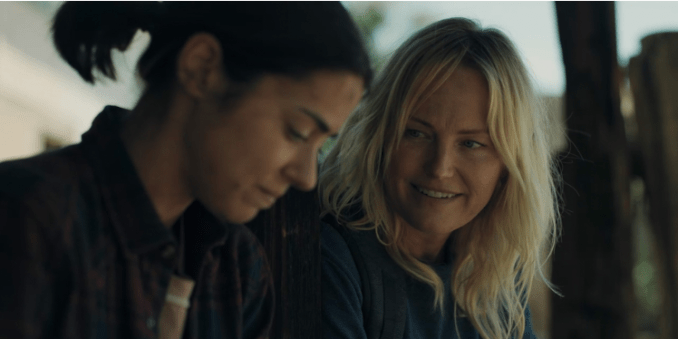 Two women attempt to escape a cult by hiking through the desert. When plans go awry, deception, confusion, and brainwashing pit them against one another.
While we only see Chris Messina as cult leader Seth in brief moments, they are undoubtedly impactful. With his calm yet persuasive demeanor, it is easy to see why these characters fell under his spell from the very beginning. Lorenza Izzo plays Blair with unbridled, vibrating energy that is captivating. You clock every single beat in her eyes. Malin Akerman‘s confidence as Jillian makes her a perfect foil for Izzo. Akerman walks a fine line between vulnerable and secretive. She’s frighteningly good.
 The screenplay’s wordplay, score, and scene blocking heightened every moment. There was never a dull moment. The endless mindfuckery rubbed my nerves raw. I found I had left fingernail impressions on my palms without realizing it. The paranoia and tension in the dialogue had my head spinning. Are these women gaslighting one another, is one of them a villain and is this even real? These are some of the questions I had while sorting through the madness that is The Aviary.
You cannot ignore the comparisons with Scientology and Rajneeshees. The final 20 minutes had me on the edge of my seat. If you think you know where this story is going, think again. The Aviary is a whirlwind of manipulative tactics. It’s fantastic.
In Theaters, on Digital, and On Demand April 29, 2022
WRITTEN & DIRECTED BY: Chris Cullari & Jennifer Raite
STARRING: Malin Akerman, Lorenza Izzo, Chris Messina, Sandrine Holt
RUN TIME: 96 minutes
RATING: Rated R for language and some violent content.
GENRE: Thriller
OPENING THEATERS INCLUDE:
NEW YORK CITY – Cinema Village
LOS ANGELES – Lumiere Cinema
ATLANTA – Studio Movie Grill Marietta
CLEVELAND – Atlas Diamond Center
DETROIT – Emagine Royal Oak
HOUSTON – Studio Movie Grill Pearland
MINNEAPOLIS – Emagine Eagan
ORLANDO – Studio Movie Grill Sunset Walk
PHILADELPHIA – Westown Movies
TAMPA – Studio Movie Grill Seminole





 Director


 Sick cinematography and a killer opening bring Fantaspoa 2022 audiences into the intensely scary world of


 Without hesitating, Maria arrives at an apartment alongside four other contestants. In a series of eight individual challenges, the first being balloon blowing, Maria, Felicia, Manny, Bofill, and Andrew battle to be the victor. The Master of ceremonies appears equal parts confused and confident in his role. As the stakes get higher and the games get weirder, chaos ensues. Five opposite archetypes collide in one of the most bizarre films I’ve ever witnessed.
  STANLEYVILLE
 The finale is equally enigmatic, occurring offscreen. It’s a keenly written full-circle moment that makes you think.


 After losing her mother, Sammy lashes out physically and emotionally. When her dad forces her to take a business class in summer school, she encounters a magician by happenstance. Under the guise of a final project, Sammy trades anger for magic.
  Rhea Perlman
 Could we put together a cuddly list of family-friendly Easter films? Probably. But where’s the fun in that? Here is a list of films where a rabbit is featured in one way or another. Most are straightforward. A few, well, I guess you’ll have to watch them and figure out why they’re there. Happy Easter, and happy hunting for those pesky wabbits.


 Peter Rabbit and his three sisters — Flopsy, Mopsy and Cotton-Tail — enjoy spending their days in Mr. McGregor’s vegetable garden. When one of McGregor’s relatives suddenly moves in, he’s less than thrilled to discover a family of rabbits in his new home. A battle of wills soon breaks out as the n


 In the early 18th century, England is at war with the French. Nevertheless, duck racing and pineapple eating are thriving. A frail Queen Anne occupies the throne, and her close friend, Lady Sarah, governs the country in her stead while tending to Anne’s ill health and mercurial temper. When a new s





 As each episode begins, the filmmakers behind the miniseries DECEIT make it abundantly clear that the show involved a plethora of research. In 1992, a woman named Rachel Nickell was brutally murdered in front of her two-year-old son. Police believed they found the guilty party based on an expert forensic profiler. After bringing top undercover officer Sadie Byrne into the mix, they devise an elaborate operation to obtain a confession.
  Eddie Marsan

 *Let me begin their review by stating that I have not seen the original Wyrmwood. I can only comment on Wyrmwood: Apocalypse as a stand-alone film.*
 This cast is gold. The commitment to these characters is commendable. The fight sequences and choreography are damn entertaining. These actors go hard into the action. Bravo, to


 As the first person in the world with Down Syndrome to run for public office,


 “A Cripple’s Dance” bases pieces of its choreography on Kelsey and Gabe’s moments of impact and what followed in the water. The intimacy of the camera work is visceral. Gabe’s lyrics are profoundly beautiful and hit you in the heart like a dagger. The result will give you chills.
  Co-Directors: Kelsey Peterson, Daniel Klein


 Dianna Agron


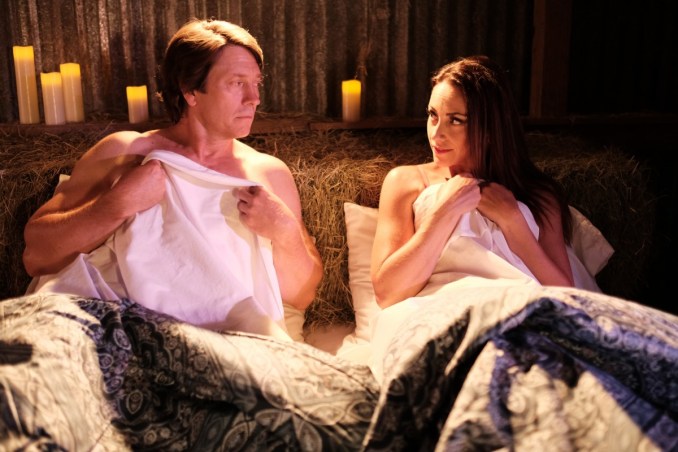 Celena Rea nails every line with total commitment. She has a commanding presence, accentuated by specific hair, make-up, and costume choices. Also, she does her own stunts. Her chemistry with writer-director John Stuart Wildman as Sweaty Man is electric. He knocks it out of the park. I knew John was charming, but, damn. Casting directors pay attention. John could easily carry leading roles in literally every genre. Shout out to Chris Gardner for his comic timing as Saxophone Player.


 PTSD is something that never truly leaves you. As a sexual assault survivor, I can attest to the flashbacks and how my trauma affected my relationships moving forward. It’s a permanent piece of my psyche. I understand why women don’t come forward, even to family. Not until #MeToo became mainstream did I reveal my hurt to family, and even that occurred via social media. Jane’s functionality in Disfluency mimics mine. PTSD is often an unseen burden.


 Director
  Comic relief comes in the form of

 Witness the downward spiral of an already unwell young man as he slowly travels down the rabbit hole of complete darkness. When Nitram finally connects with a reclusive heiress named Helen, his world appears brighter. Helen provides the comfort and emotional shelter his parents could not. When the sadness becomes too much, his anger and anxiety manifest in violence and unfathomable tragedy. Inspired by actual events,
 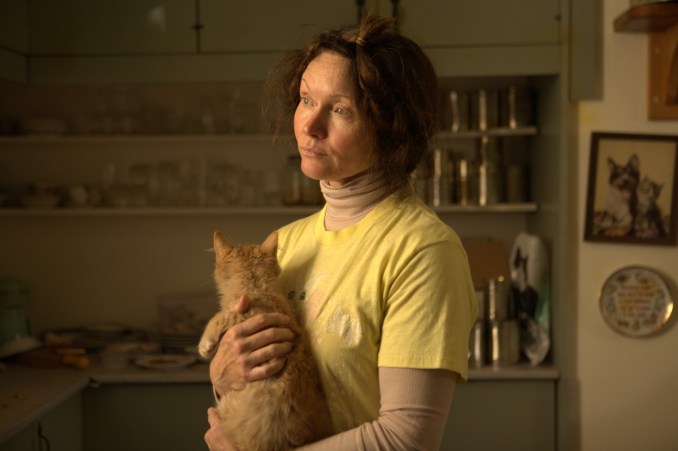 Caleb Landry Jones


 Chris Pine

 Opening with a disturbing turn,
  Alexandra Loreth


 The creature design is reminiscent of something that might come out of the Wētā Workshop from Jim Henson‘s team. Its evolution is fascinating. It manages to be shockingly grotesque and yet adorable. If you’re a fan of
You must be logged in to post a comment.