

Crime boss Ida “Red” Walker (Oscar® winner Melissa Leo*) turns to her son, Wyatt (Josh Hartnett), to pull off one last heist to get out of prison. But with the FBI closing in, Wyatt must choose between family and freedom in this high-octane thriller.
 IDA RED opens up with honest to goodness tense action. Come to find out, half of it is a whole lot of bait and switch. The script has plenty of surprising revelations. It is undeniably engaging, from the shocking violence to the keen character building.
Frank Grillo, as Dallas Walker, is as epic and as he is evil, with an IDGAF aura. It’s one hell of a performance. Melissa Leo is Ida. Her uncanny ability to own the screen with nothing but a look gets me every time. This crime family matriarch rules from prison with an iron fist and favoritism. And, damnit, the fact that it’s a woman makes my heart skip a beat. More of this, please.
 Sofia Hublitz, who is fantastic on Ozark, plays Darla Walker. She’s the youngest troublemaker of this family unit. Hublitz walks the perfect line between innocence and passionate anger. Josh Hartnett, as Wyatt Walker, is the unwaveringly loyal son. Hartnett’s multiple-year hiatus from the big screen was noticed, especially by those of us who grew up alongside him in movies like The Faculty, Pearl Harbor, and Sin City. Whenever I do see him nowadays, I am reminded immediately of his immense talent. He’s got a coolness to him that you can’t teach. As Wyatt, his familial devotion is palpable, to a fault. IDA RED allows him to play the full spectrum of emotions.
The soundtrack boasts some of the coolest (and strangest) choices. I was obsessed. IDA RED could have been a limited series. As it stands, it’s a solidly done family crime drama, possessing fully fleshed-out, massively flawed characters with incredible actors breathing life into them. I recommend a watch.
Watch the trailer:
Saban Films will release the action/crime/thriller IDA RED in Theaters, On Digital, and On Demand on November 5, 2021.
IDA RED is written and directed by John Swab (Body Brokers, Let Me Make You a Martyr) and stars Josh Hartnett (Wrath of Man, “Penny Dreadful”), Sofia Hublitz (“Ozark”), William Forsythe (The Devil’s Rejects, Raising Arizona), Deborah Ann Woll (“True Blood”), Frank Grillo (Boss Level, The Purge franchise), and Academy Award winning actress Melissa Leo (The Fighter, Prisoners, Frozen River).

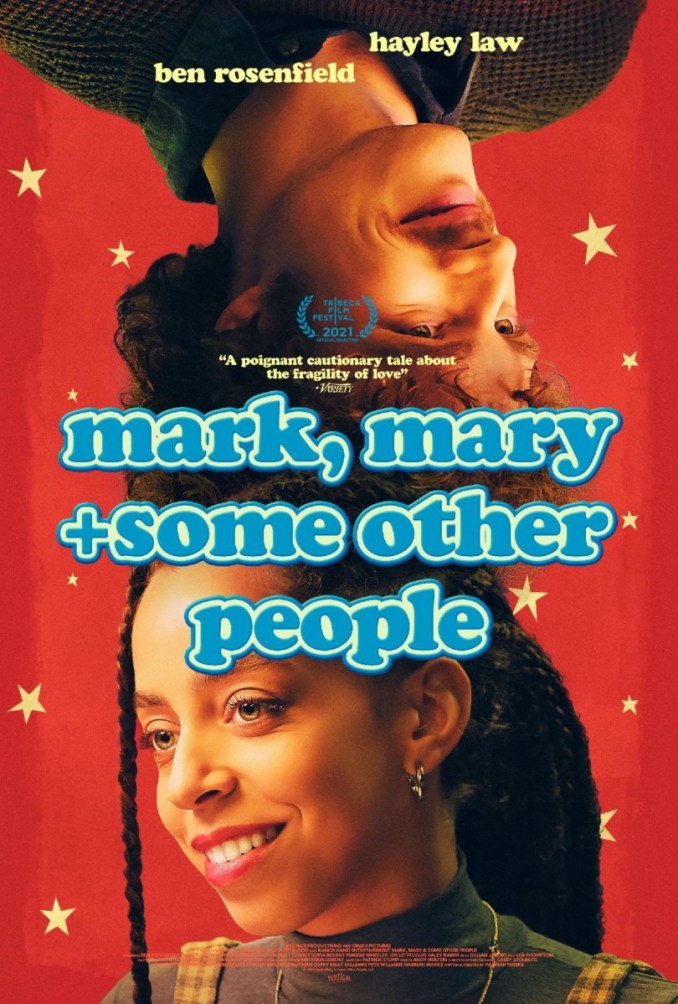
 “Traditional” relationships structures were created by, well, who knows. Love is weird and complicated, no matter how hard we try. We’re only human. We have urges that are as basic as they come. Anyone who claims to not be attracted to a person outside of their monogamous relationship is a liar. Love is messy and ever-evolving, and writer-director Hannah Marks gets that. Marks popped onto my radar with

 The environmental inevitability of our planet is the backdrop of Finch. Tom Hanks plays the titular role. He’s a scientist surviving with his dog and his rover pet Dewey. His goal is to create a robot with the capabilities of protecting Goodyear when he passes on. This rag-tag crew attempts to outrun a superstorm by escaping St. Louis to San Francisco in a 1980s RV. Finch becomes a hilarious and heartwarming road movie you never saw coming.
 Caleb Landry Jones as Jeff is brilliant. His performance has a childlike quality that melts your heart. The script smartly allows Jones to explore every human emotion for the first time. The savant aspect combined with its innocence reminded me of my five-year-old autistic son. The linear and literal way of expression was something so familiar. Jones’s energy will undoubtedly speak to every single parent. His physical performance is through motion capture, and it alone is award-worthy. Hanks and Jones’ chemistry is the stuff of movie magic.

 In most true crime stories, the mystery of “what really happened” carries the narrative. Viewers are invited to reconstruct timelines and decipher motives, then try and solve the crime simultaneously with the professional investigators. Alice is Still Dead turns that formula on its head. For instance, what if there is a brutal murder, but the facts– while devastating– are relatively straightforward? What if the central protagonist is tragically incidental to the killer’s motive? What if the police and justice system function exactly as society intends them to do? This film illustrates that even without the standard narrative hooks of true crime, a shocking senseless death is still a story. There is still a family that must find a way to carry on despite their grief and try to find contentment with the limits of justice.


 Tin Can


 As
As  The palpable sadness of

 Mimi Kuzyk


 Sisters With Transistors beautifully brings to life a niche history that you didn’t know you were missing but will surely recognize. The film seamlessly weaves together the personal stories of innovative composers like Clara Rockmore, Daphne Oram, Bebe Barron, Pauline Oliveros, and Suzanne Ciani through live performances, archival footage, and visual interpretations of their music. Some pieces are moody and atmospheric; others are challenging and experimental. Yet, all of them reverberate with unique genius, creativity, and passion. The overall effect is a captivating documentary on an unsung history that is endlessly engaging to watch.


 Amy Smart

 Ed in Kansas has an elaborate estate titled “Subterra Castle”. Above ground, it appears to be a menagerie of land gardens with


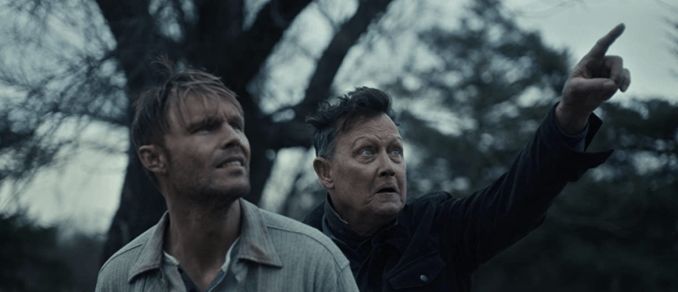 Each segment of the film has a very different tone. The early scenes on the farm (where, years earlier, Josiah’s wife mysteriously committed suicide) are filled with eerie unease. Josiah and Thomas’ relationship is tense and cold. It feels very much like a haunted house film. I feel like Robert Patrick has been playing supremely creepy characters for my whole lifetime – he slips into these roles without even trying. There’s a scene where Josiah gives Thomas some fatherly advice that is some of Patrick’s most squirm-inducing work to date.


 Larry Fessenden plays Former Attorney General Dan Lieberman. He’s a legend, so it’s no surprise that what is essentially equivalent to a radio play for him is an outstanding performance. Zachary Booth, as Jake, has fearless energy and an intoxicating excitement that passes through the screen to the viewer. I would watch him in anything.
 Your pulse will be pounding watching this mystery unfold through live, minute-to-minute editing. If you didn’t respect the process of editing before now,


 *Warning – this review contains light spoilers*
 Woof. That finale would have been tough for any sequel to top, but I was comforted by the fact that many of the same players that made 2018’s entry so successful had returned for 2021’s Halloween Kills (the 2nd entry in a planned trilogy, with Halloween Ends already penciled in for next year.) And, for the first 15 minutes, Halloween Kills is up to the challenge. It doesn’t take us back to Michael in that burning building but instead flashes back to the original night of carnage back in 1978. Here, Green mirrors much of the visual norms of Carpenter’s original film to great effect. It’s a shot of nostalgic adrenaline.
 What I don’t understand about this tone shift is why Green would abandon the core tenants of what made his previous film so successful. Maybe he was bored by the previous film’s pacing? Maybe he fell victim to studio pressures to continue to amp things up for a sequel. Whatever the rationale, it was a mistake.


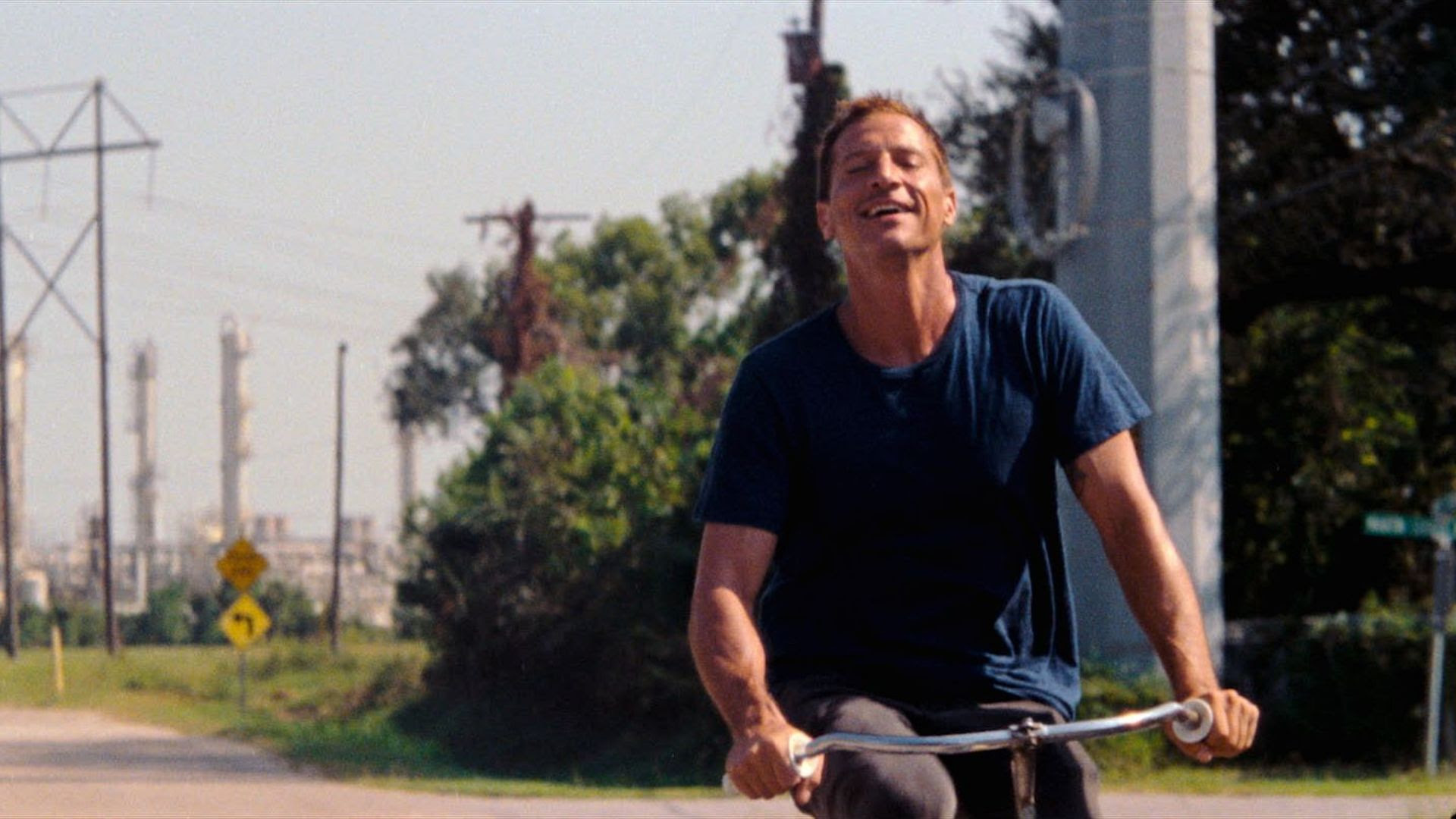
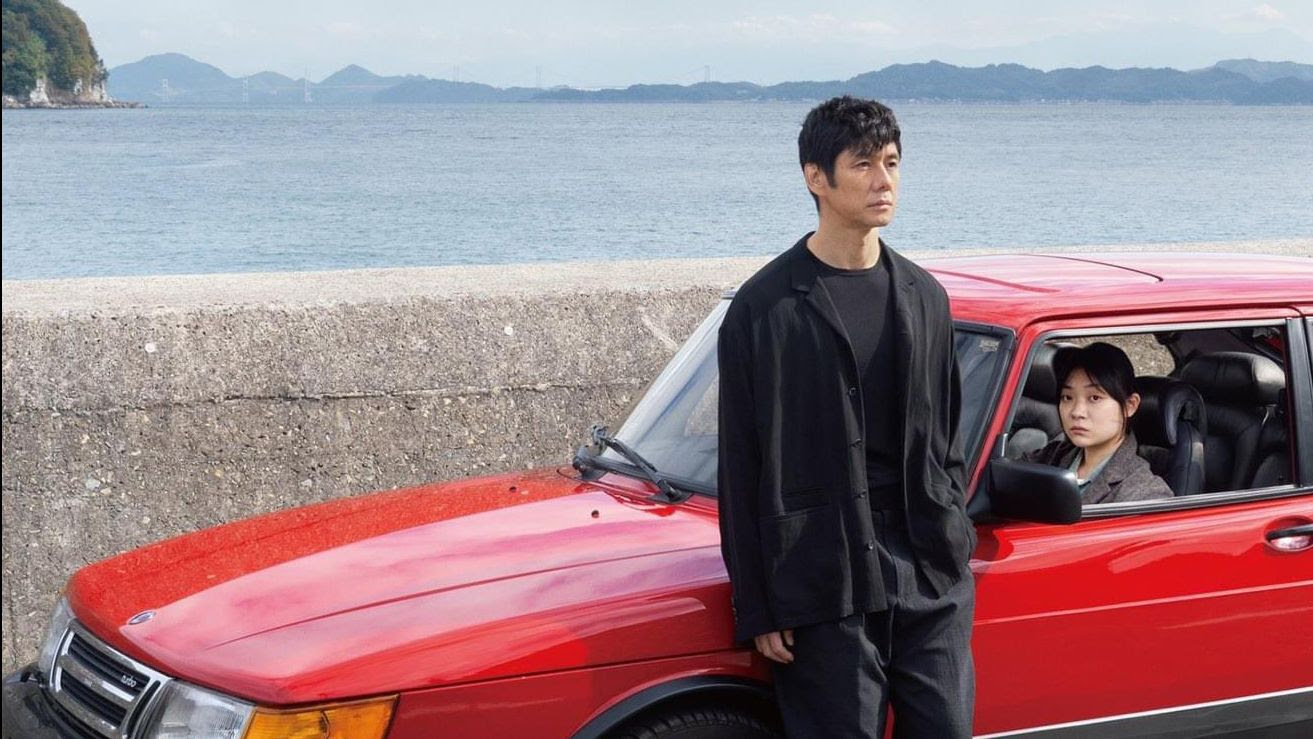
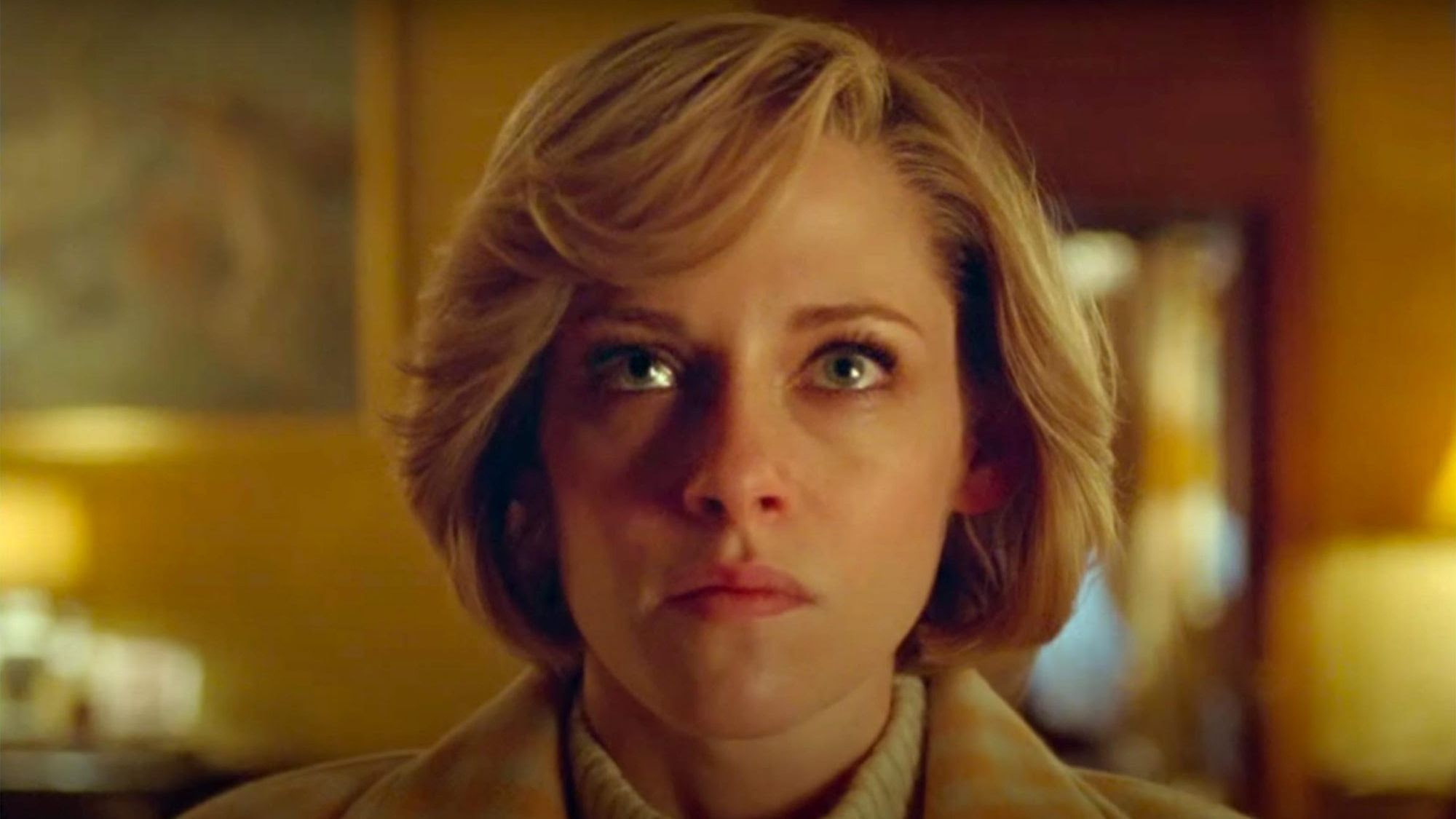
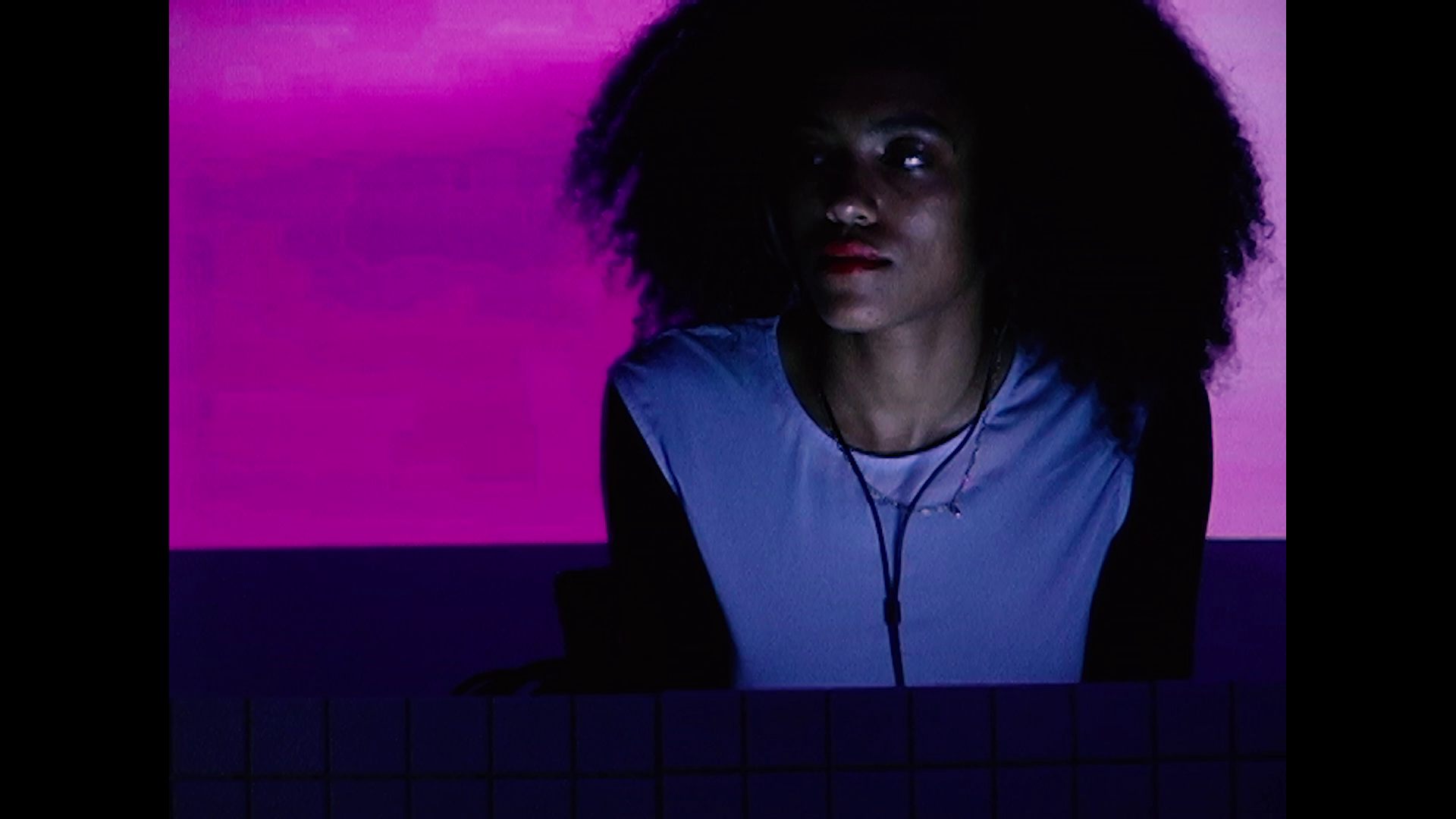
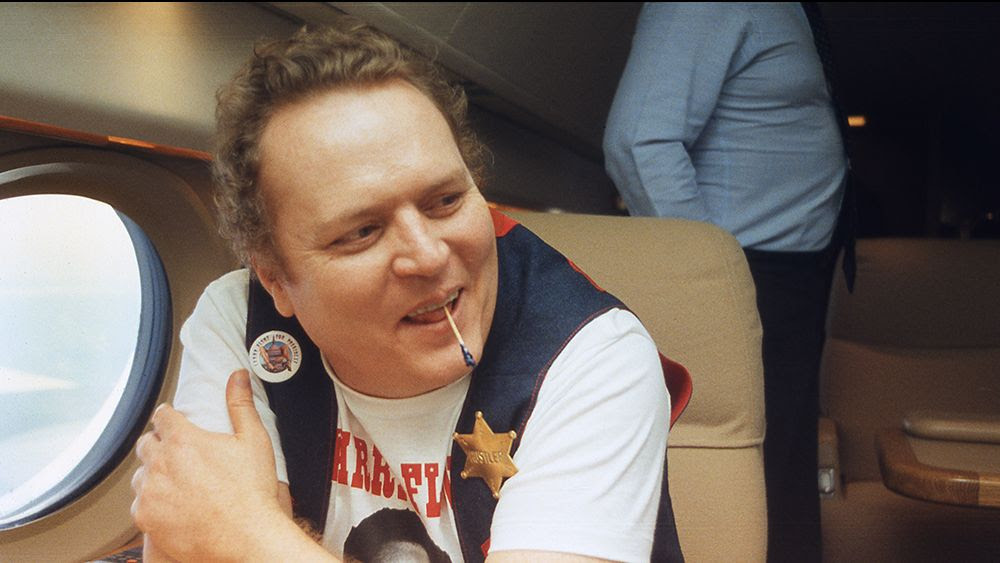
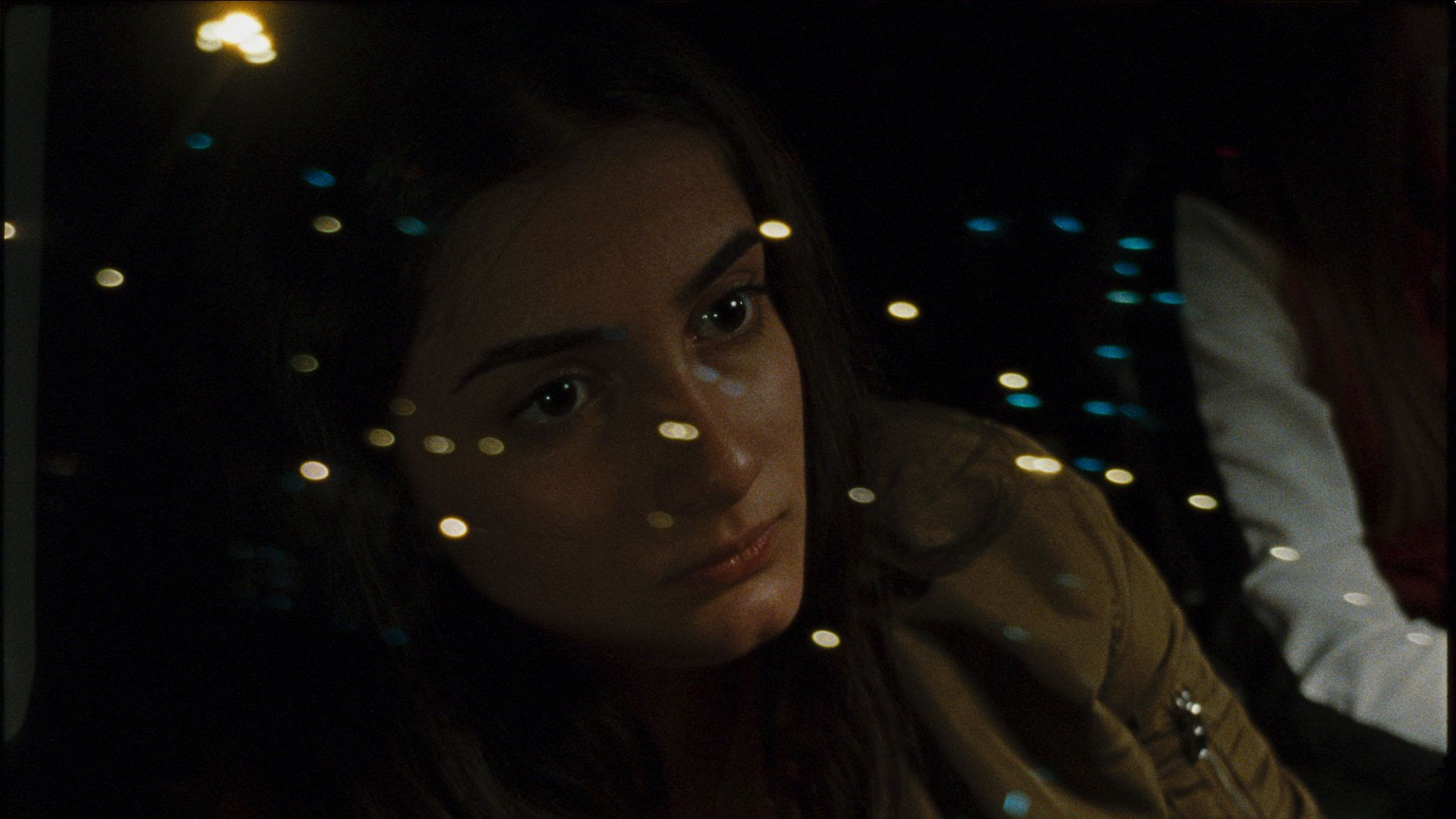
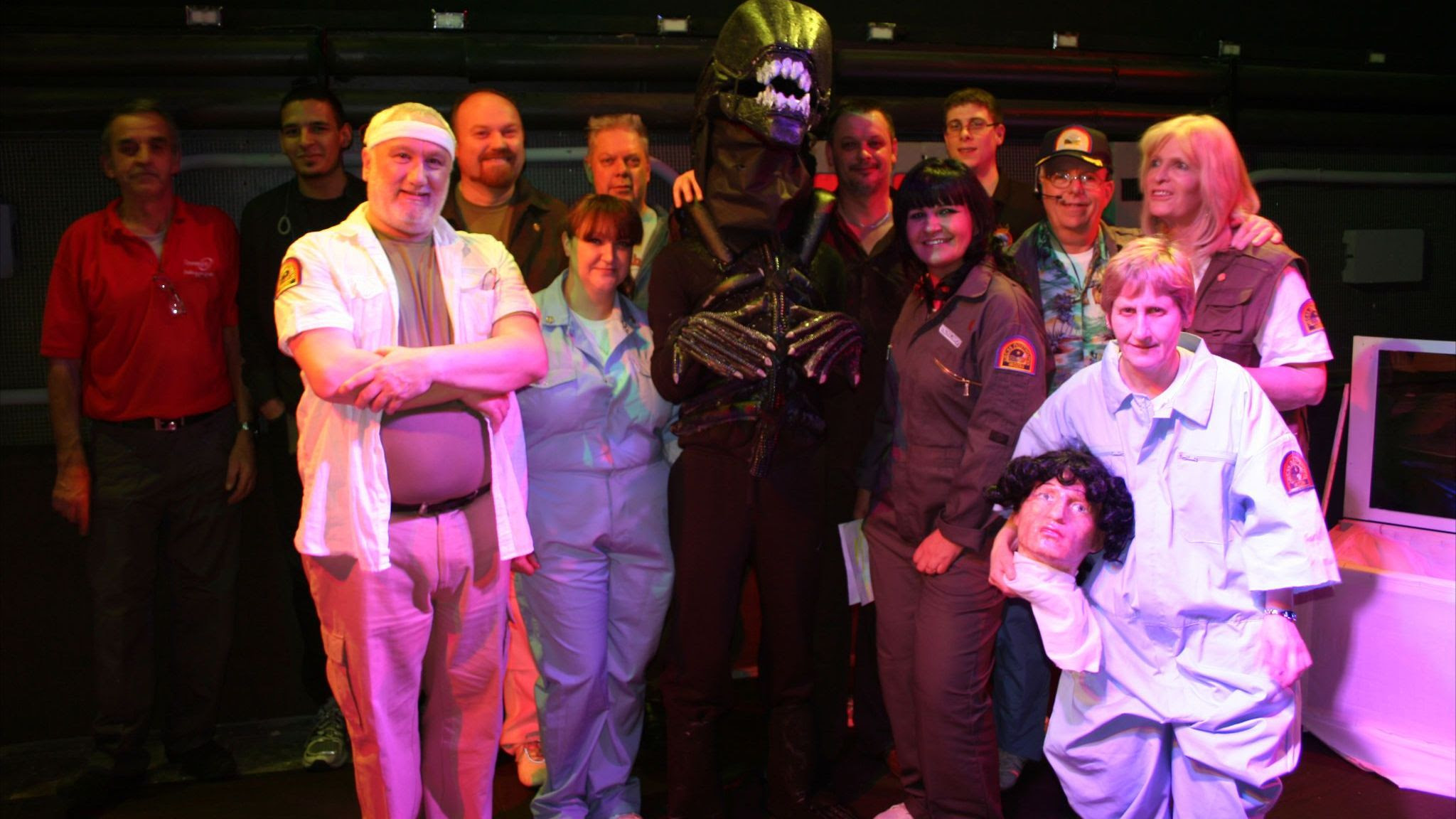


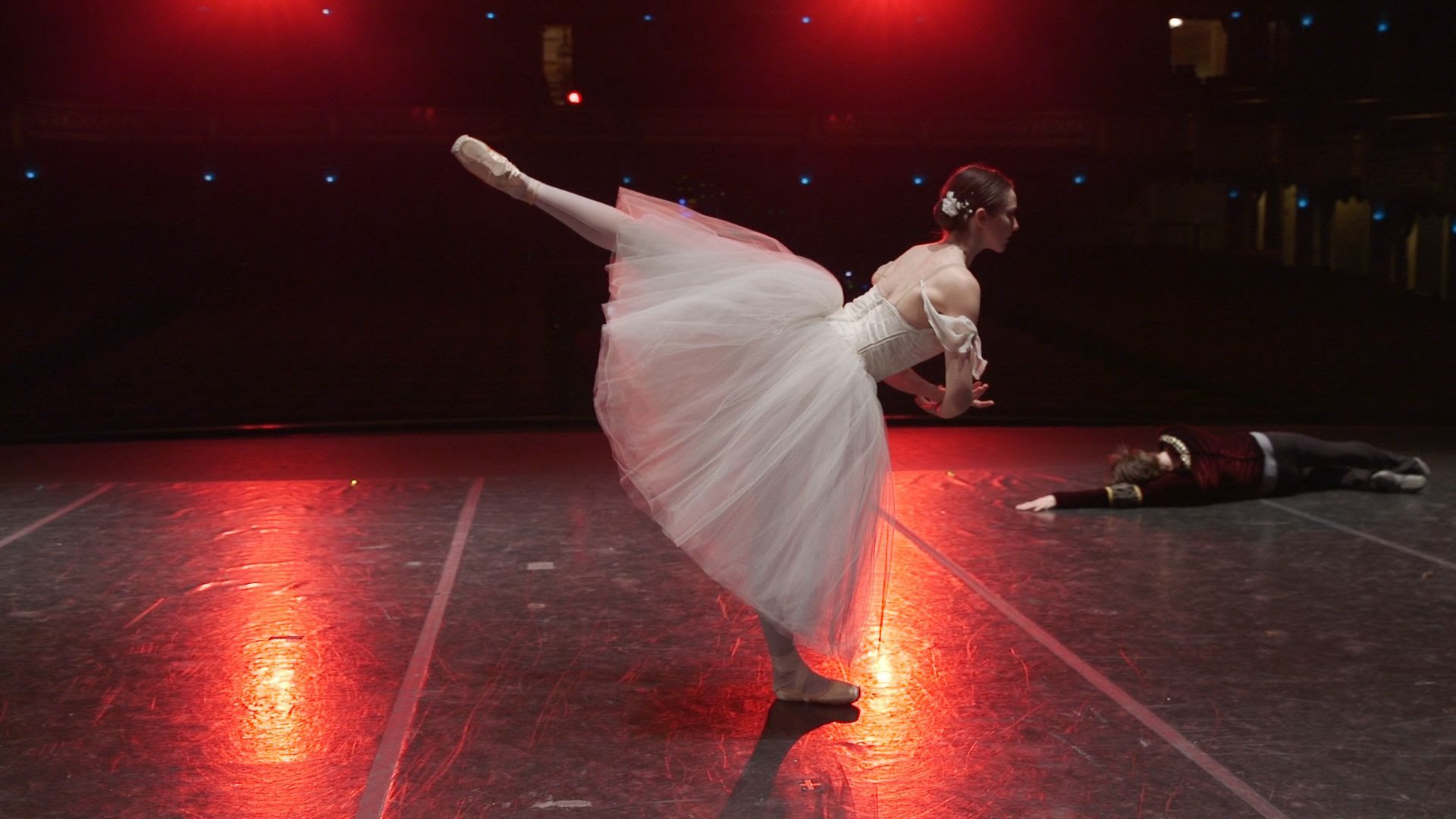
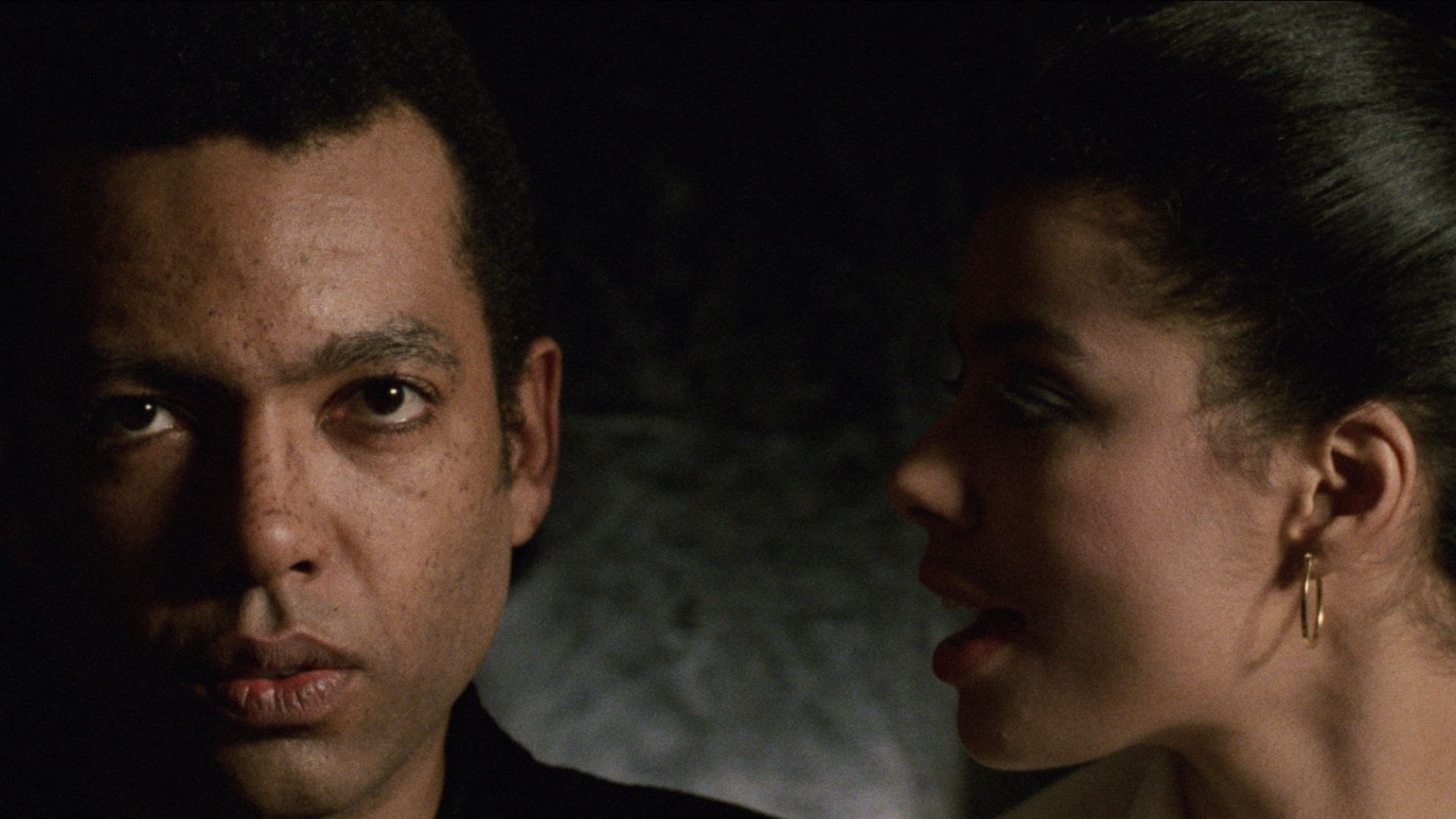


 South Of Heaven is a film that takes many unexpected turns from drama to crime thriller. Newly released from prison, Jimmy makes good on a promise to long time girlfriend, Annie. He wants to marry her before she passes from cancer, live a clean life, and then figure it out from there. Obstacles get in his way at every turn. South Of Heaven proves the old saying, “No good deed goes unpunished.” Frankly, that’s only half of it.
 Jason Sudeikis‘s work in
  The film, as a whole, is uneven. Part of me believes this would fair far better in series form. The beginning is a slow-burn relationship story. The upside of that is our genuine investment in the love between Jimmy and Annie. When the crime element appears, you think you know where this is going. Suddenly, we are thrown an extreme curveball halfway through. The final 30 minutes is another entirely new act. It’s a darkness I did not see coming. If you can get comfortable being uncomfortable, South Of Heaven will be right up your alley.


You must be logged in to post a comment.