

TIN CAN (Dir. Seth A Smith) (99 mins)
As the world enters quarantine, a front-line parasitologist is imprisoned in a life-suspension chamber. To escape she must destroy the last of her kind.
 Tin Can immediately throws you off-kilter. The camera work can be disorienting at times. Mostly, it is claustrophobic as hell. We are in the dark just as much as the characters, quite literally. Our view becomes quietly less obstructed as the film progresses. Do not confuse that with plot clarity. The strangeness continually grows, no pun intended. This sci-fi body horror film will be a hit with Doctor Who fans for a multitude of visual reasons. The special fx makeup has a visceral impact. You’ll be so engrossed in the mystery of it all, as breadcrumbs drop, you’re hungry for more. Fair warning, do yourself a favor and do not eat while you watch. Tin Can’s complexity is endless. There’s an interesting argument about the god complex in science. I can guarantee you’ve never seen anything like Tin Can. Leave your expectations at the door and sit in this experience.

Round 2 of BITS 2021 is coming in November. You can purchase tickets now!


 As
As  The palpable sadness of

 Mimi Kuzyk
 Performances across the board are phenomenal.
 Giant Bear (*shown alongside Don’t Say Its Name)
 The Death Doula
 Watershed
 Creepy Bits- Chapter 1- “Baby Face”
 Narcoleap: S2
 GHOST- A Primitive Evolution
 Midnight Lunch Break
 The Revenge of the Snowflakes
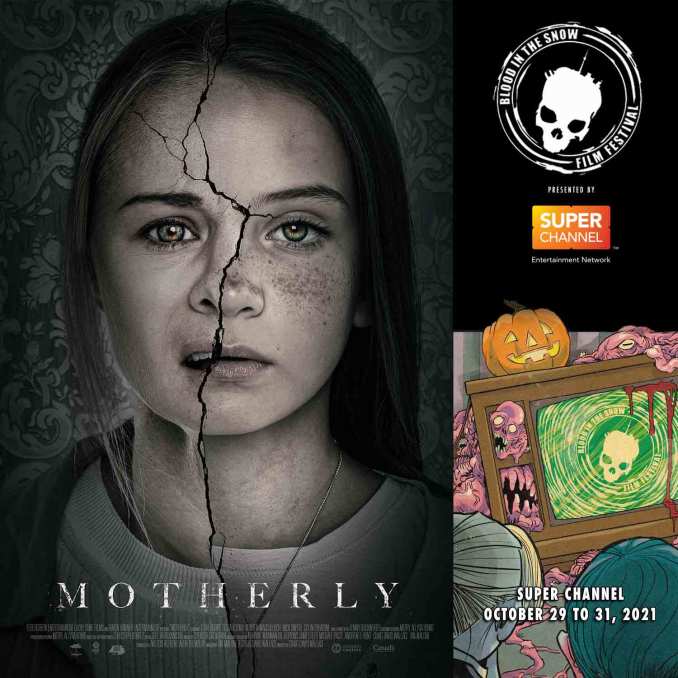
 We All Dream (*being shown with Motherly at 9 pm this evening)
 Disquietude (screening with Tin Can Sunday night at 11:30 pm.)


 Two kickass female leads in one film? Thank you. The cast generally consists of more women, and I am not complaining. It’s inspiring to watch these actresses communicate with each other. Leads,


 Sisters With Transistors beautifully brings to life a niche history that you didn’t know you were missing but will surely recognize. The film seamlessly weaves together the personal stories of innovative composers like Clara Rockmore, Daphne Oram, Bebe Barron, Pauline Oliveros, and Suzanne Ciani through live performances, archival footage, and visual interpretations of their music. Some pieces are moody and atmospheric; others are challenging and experimental. Yet, all of them reverberate with unique genius, creativity, and passion. The overall effect is a captivating documentary on an unsung history that is endlessly engaging to watch.


 Fantasy, folklore, and bloody horror are on full display in this unique animated film. It’s a story of neverending violence and rule. The Spine Of Night is a glorious retelling of past, present, and inevitable futures, as knowledge, magic, and power are on the line. The cast is extraordinary. Two performances, in particular, stand out in my mind. As The Guardian,
  The Spine Of Night


 Amy Smart

 Ed in Kansas has an elaborate estate titled “Subterra Castle”. Above ground, it appears to be a menagerie of land gardens with

 There are minor continuity issues. Costumes needed to refresh for characters in multiple scenes and we see some of the strangest looking culinary school food prep, but that does not lessen the storytelling. The overall arc of the film remains engrossing. Though, I would suggest a minimum 15 minute trim. While the pacing could use some work, it’s a solid treatment for an expanded series.

 Masao is coming to terms with his mortality in a quietly epic fashion. They say your life flashes before your eyes when you are about to die. In Masao’s case, we are a party to the type of man he was years ago. He is ushered into death by the ghost of his wife Grace, who takes him on a journey through time. There is a bit of a Christmas Carol quality, as Grace brings him into the memories of different and defining times. We come to learn his shortcomings, self-sabotage, doubt, adoration for his wife, and finally, acceptance of his fate.


 The cinematography is gorgeous. The setting, the costumes, everything pops. The main set is magical. The walls adorned with landscape paintings, the massive rooms filled with antique furnishings, and the ceilings boast curious murals. The score is perfectly whimsical. The stunning fx makeup is never too terrifying for its intended audience.

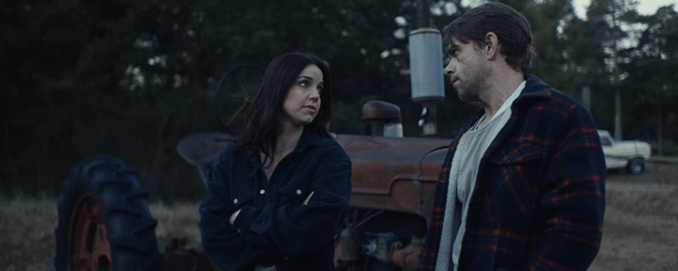
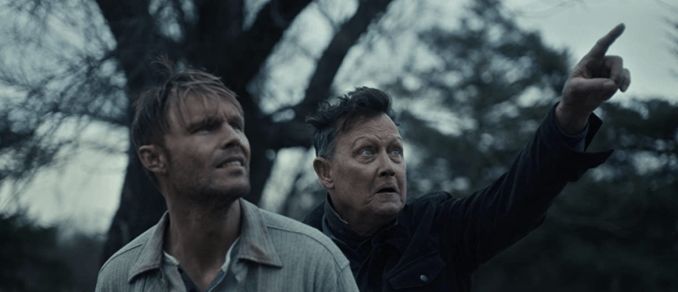 Each segment of the film has a very different tone. The early scenes on the farm (where, years earlier, Josiah’s wife mysteriously committed suicide) are filled with eerie unease. Josiah and Thomas’ relationship is tense and cold. It feels very much like a haunted house film. I feel like Robert Patrick has been playing supremely creepy characters for my whole lifetime – he slips into these roles without even trying. There’s a scene where Josiah gives Thomas some fatherly advice that is some of Patrick’s most squirm-inducing work to date.

 The hook is irresistible, and the image of the killer’s surgical mask smeared with a bloody smile will stick with me for a few nights. Unfortunately, the overall plot can’t quite keep up. The narrative dances back and forth between quarantine flashbacks and the harsh reality facing the players trapped in the deadly game. I love a tight 90-minute feature, but this is one film where I wished we had a little bit more exposition.




You must be logged in to post a comment.