


IFC Midnight’s THE FEAST follows a young woman serving privileged guests at a dinner party in a remote house in rural Wales. The assembled guests do not realize they are about to eat their last supper.

Brooklyn Horror Film Festival 2021 audiences were in for some magic with The Feast. Meticulous sound editing and sharp cinematography create a tense and frightening environment right off the bat. Strikingly framed shots envelop the audience as this house filled with extremely flawed residents prepares for an important dinner. Cadi’s assistance is requested. Her awe and anxiety resonate immediately. But as the day progresses, Cadi has a mysterious connection to the land this family is mining. Superstition, tradition, greed, and revenge clash in The Feast, making for a jarring watch. Performances across the board are outstanding from overtly creepy, pathetic, nouveau riche, prideful, eccentric, gluttonous, and entitled. The Feast is a delicious mix of excellent storytelling and sharp visual composition. It should not be missed.
Nationwide audiences can experience the film when IFCMidnight brings it to theaters on November 19th
CAST Annes Elwy, Lisa Palfrey, and Caroline Berry


 Larry Fessenden plays Former Attorney General Dan Lieberman. He’s a legend, so it’s no surprise that what is essentially equivalent to a radio play for him is an outstanding performance. Zachary Booth, as Jake, has fearless energy and an intoxicating excitement that passes through the screen to the viewer. I would watch him in anything.
 Your pulse will be pounding watching this mystery unfold through live, minute-to-minute editing. If you didn’t respect the process of editing before now,


 *Warning – this review contains light spoilers*
 Woof. That finale would have been tough for any sequel to top, but I was comforted by the fact that many of the same players that made 2018’s entry so successful had returned for 2021’s Halloween Kills (the 2nd entry in a planned trilogy, with Halloween Ends already penciled in for next year.) And, for the first 15 minutes, Halloween Kills is up to the challenge. It doesn’t take us back to Michael in that burning building but instead flashes back to the original night of carnage back in 1978. Here, Green mirrors much of the visual norms of Carpenter’s original film to great effect. It’s a shot of nostalgic adrenaline.
 What I don’t understand about this tone shift is why Green would abandon the core tenants of what made his previous film so successful. Maybe he was bored by the previous film’s pacing? Maybe he fell victim to studio pressures to continue to amp things up for a sequel. Whatever the rationale, it was a mistake.


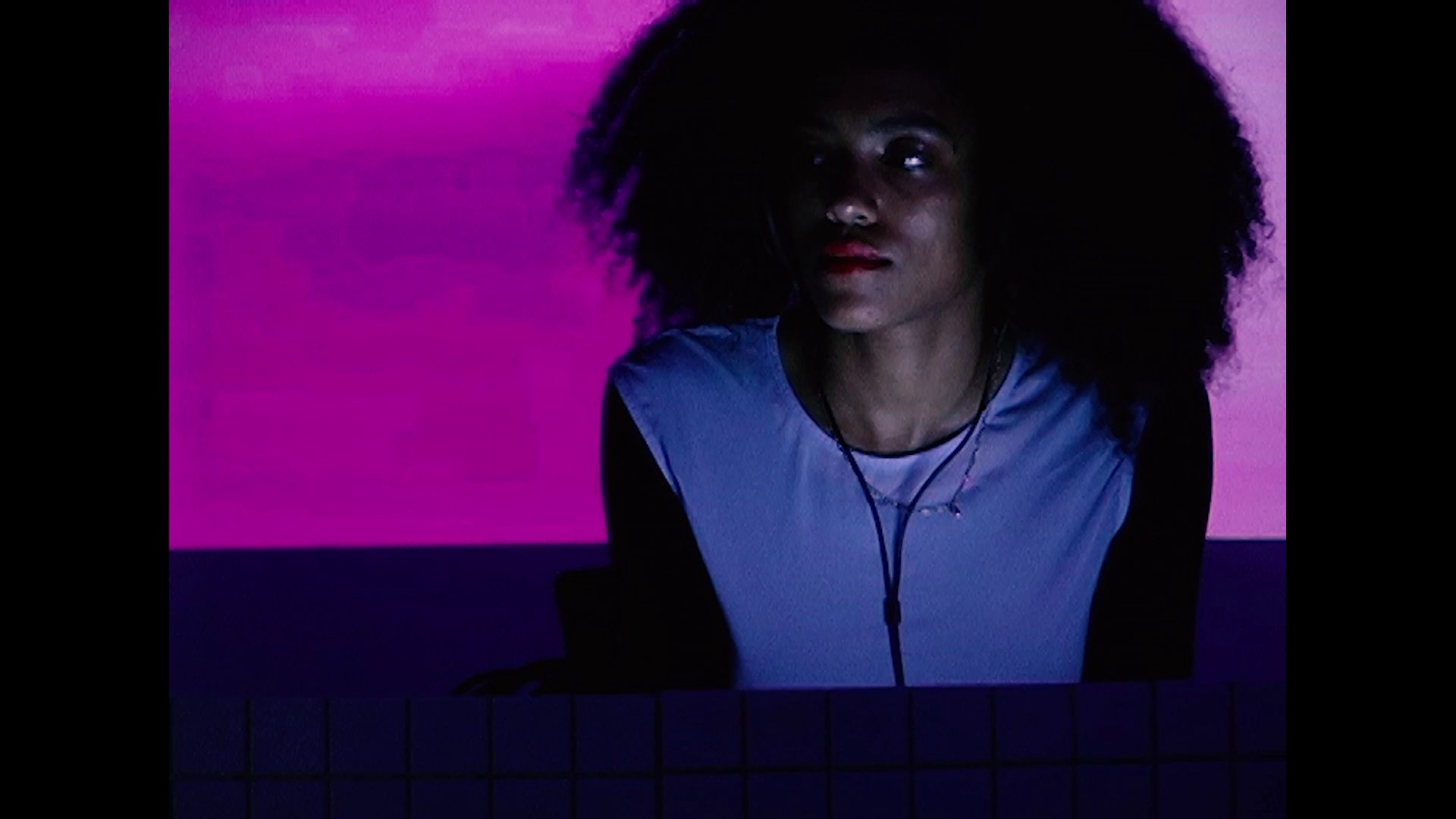
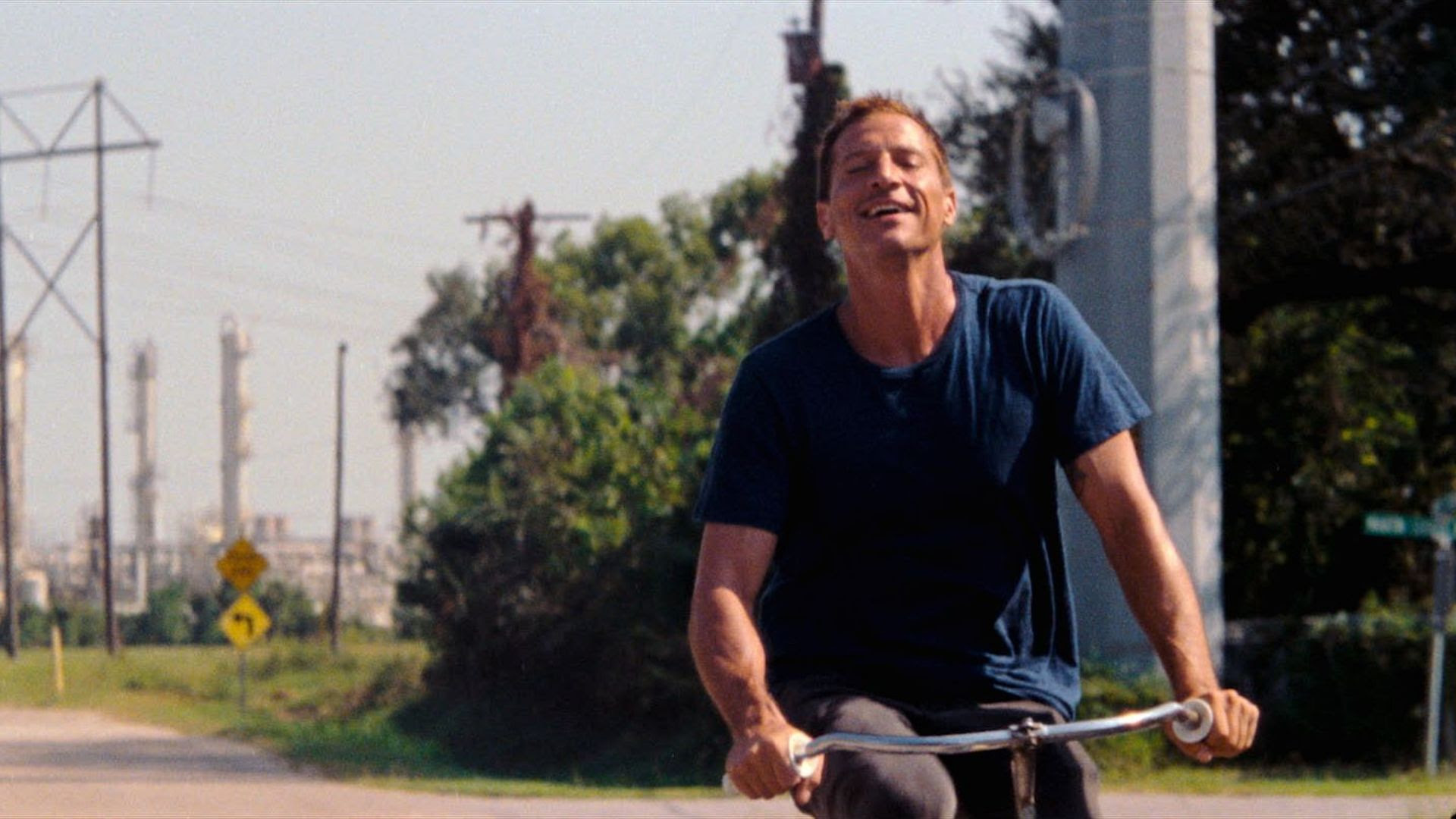
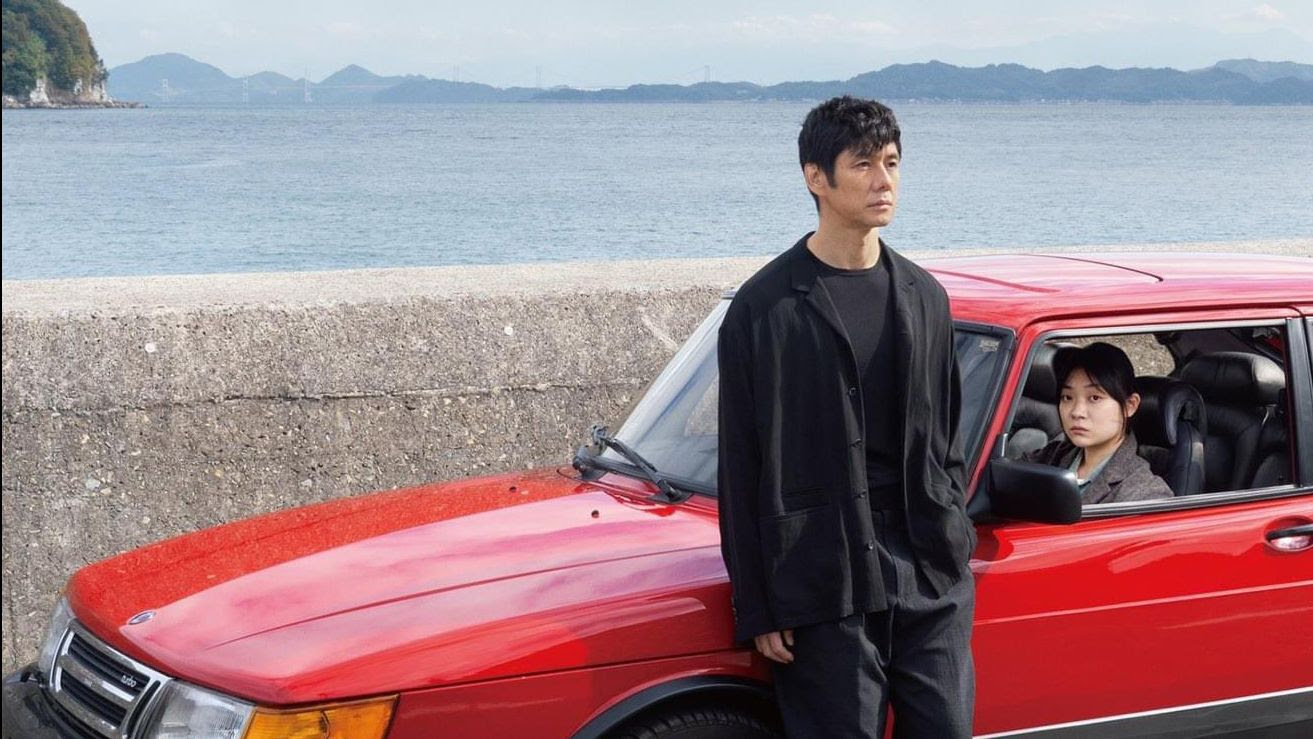
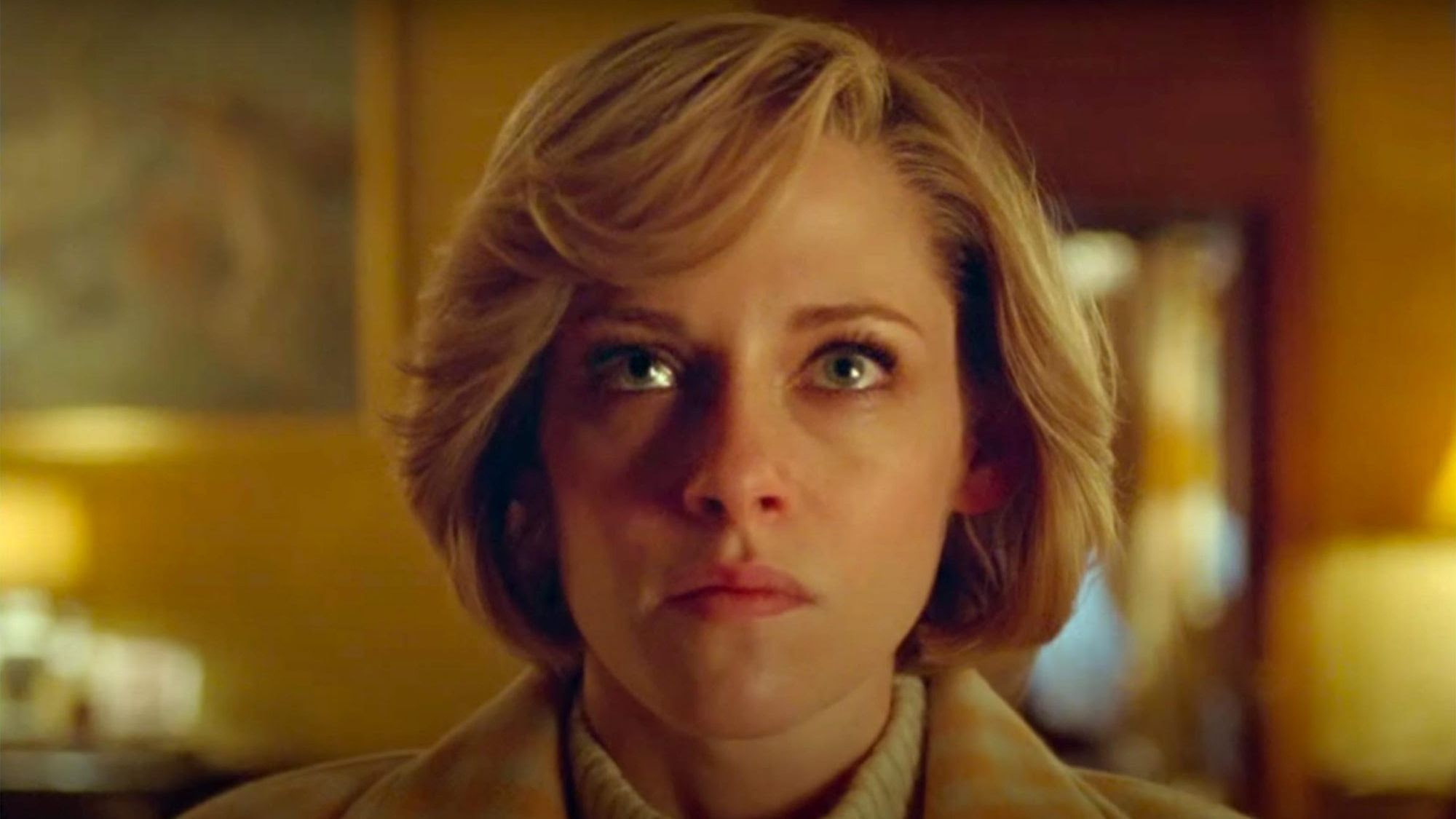
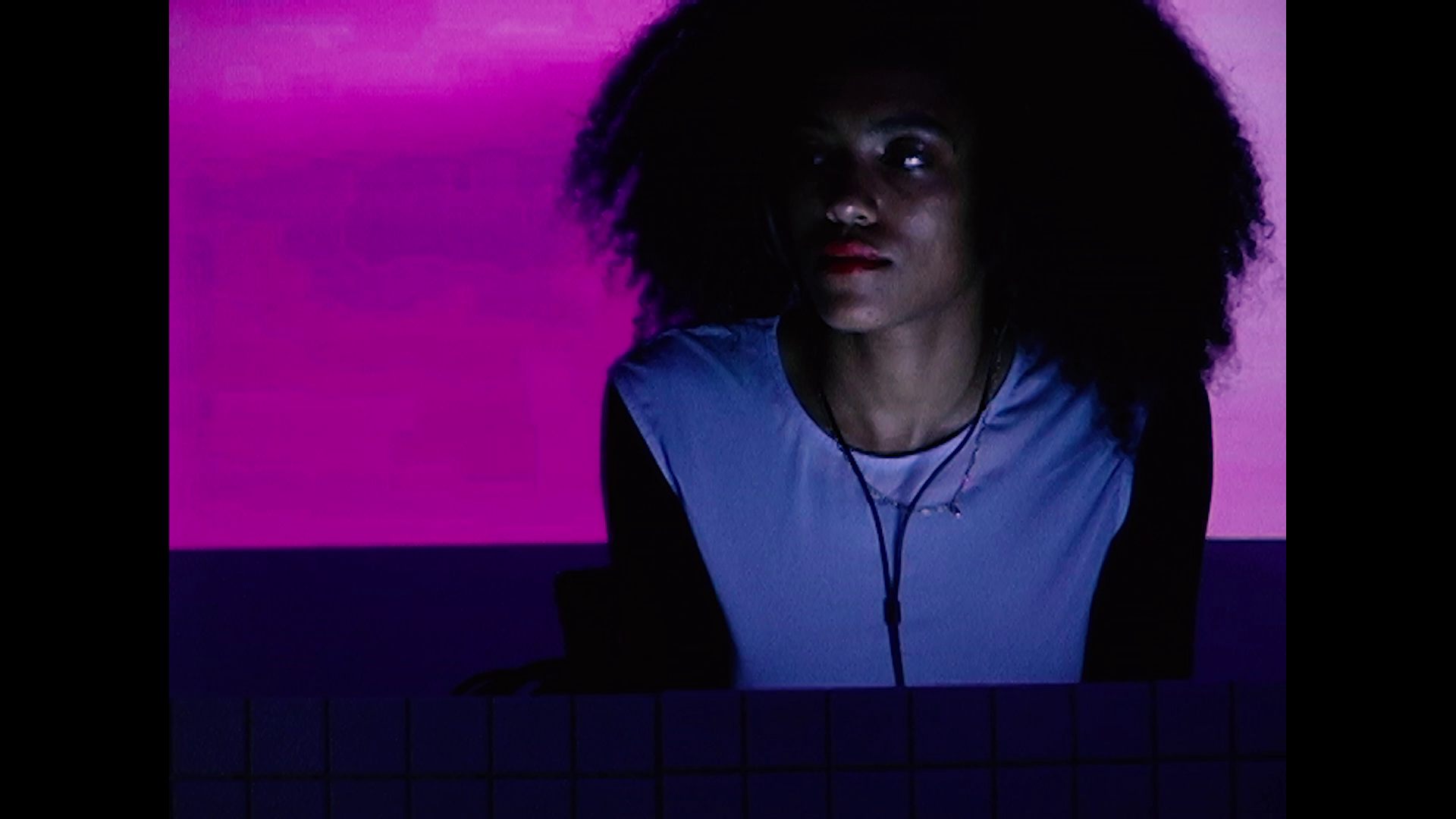
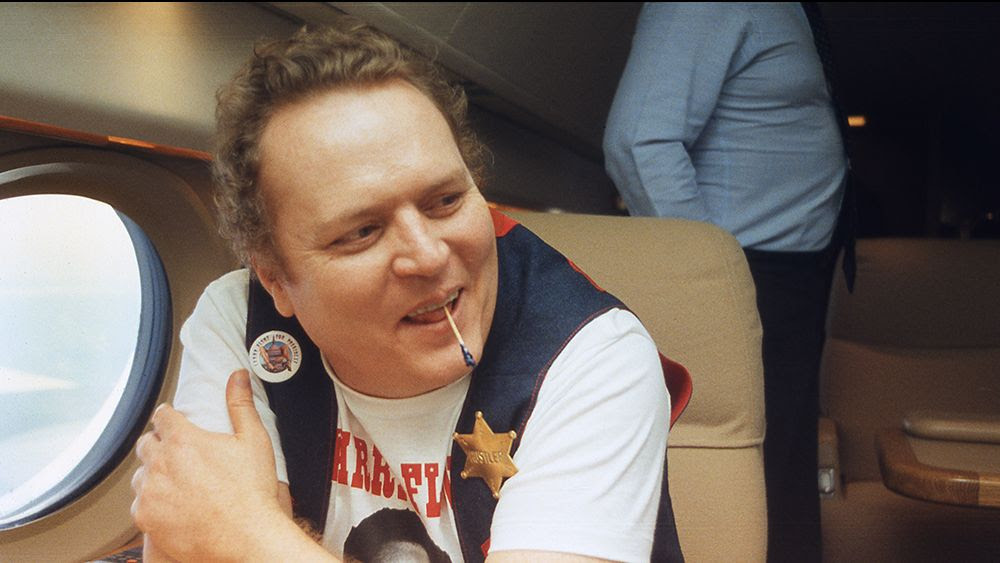
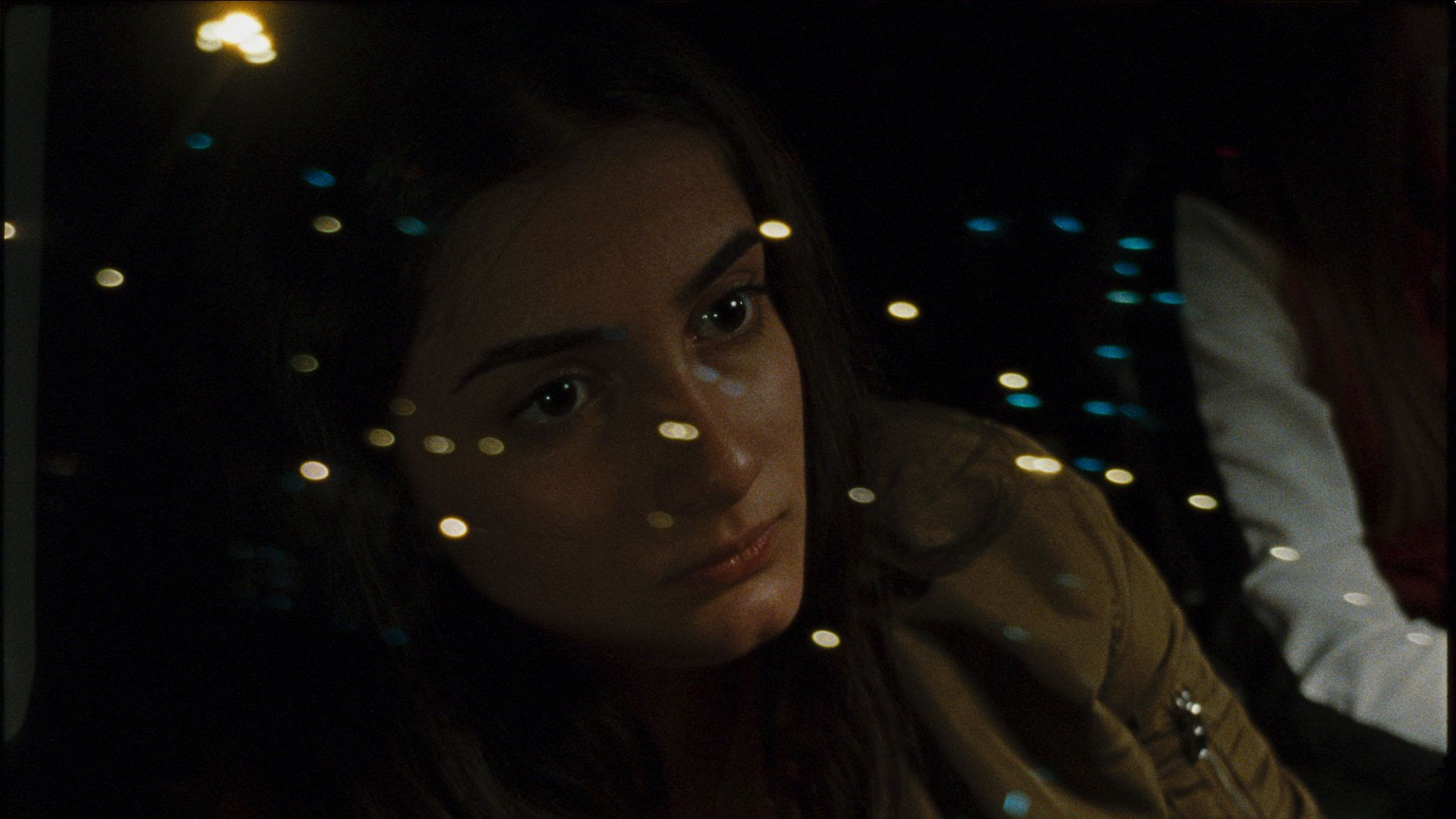
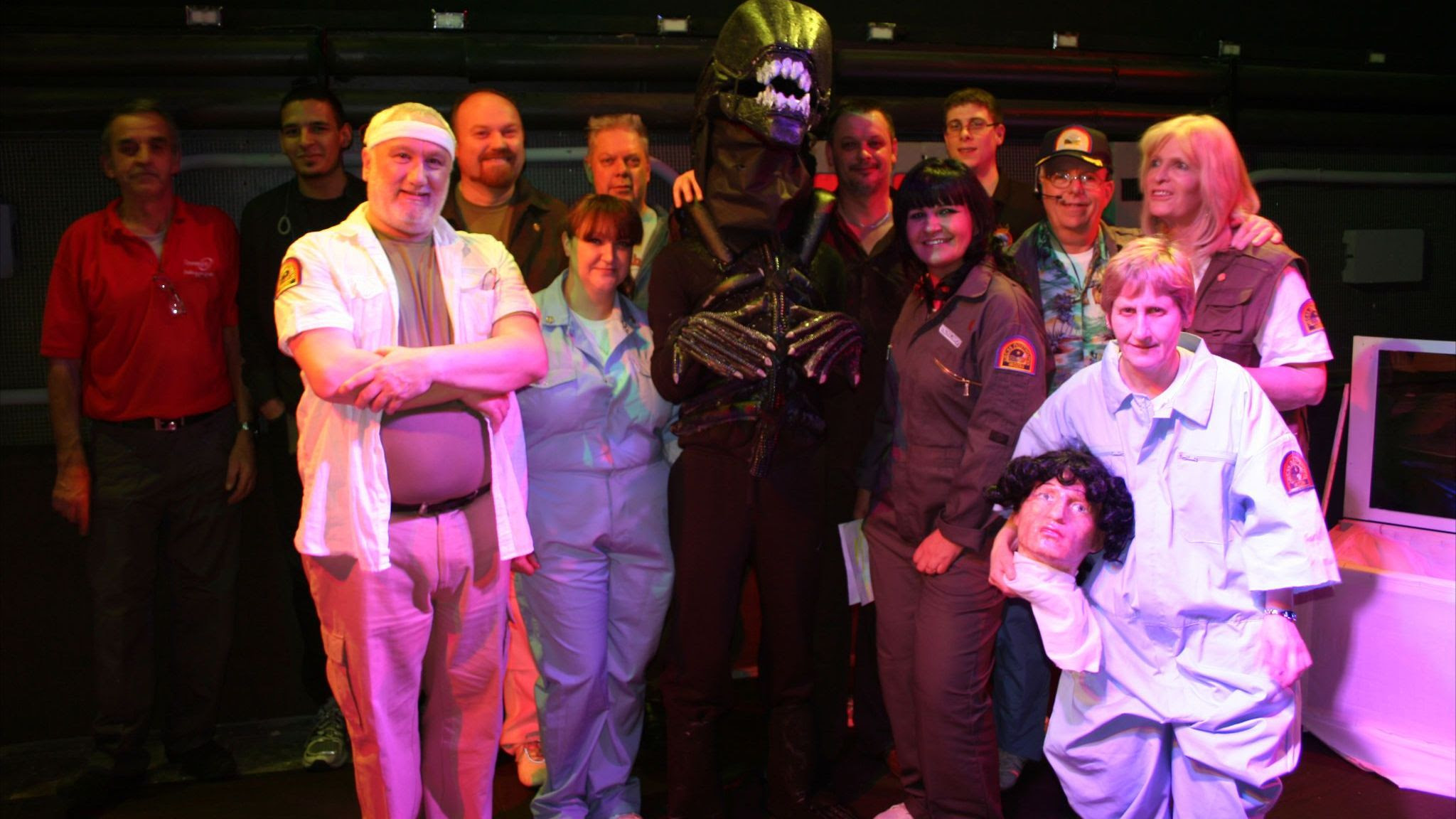
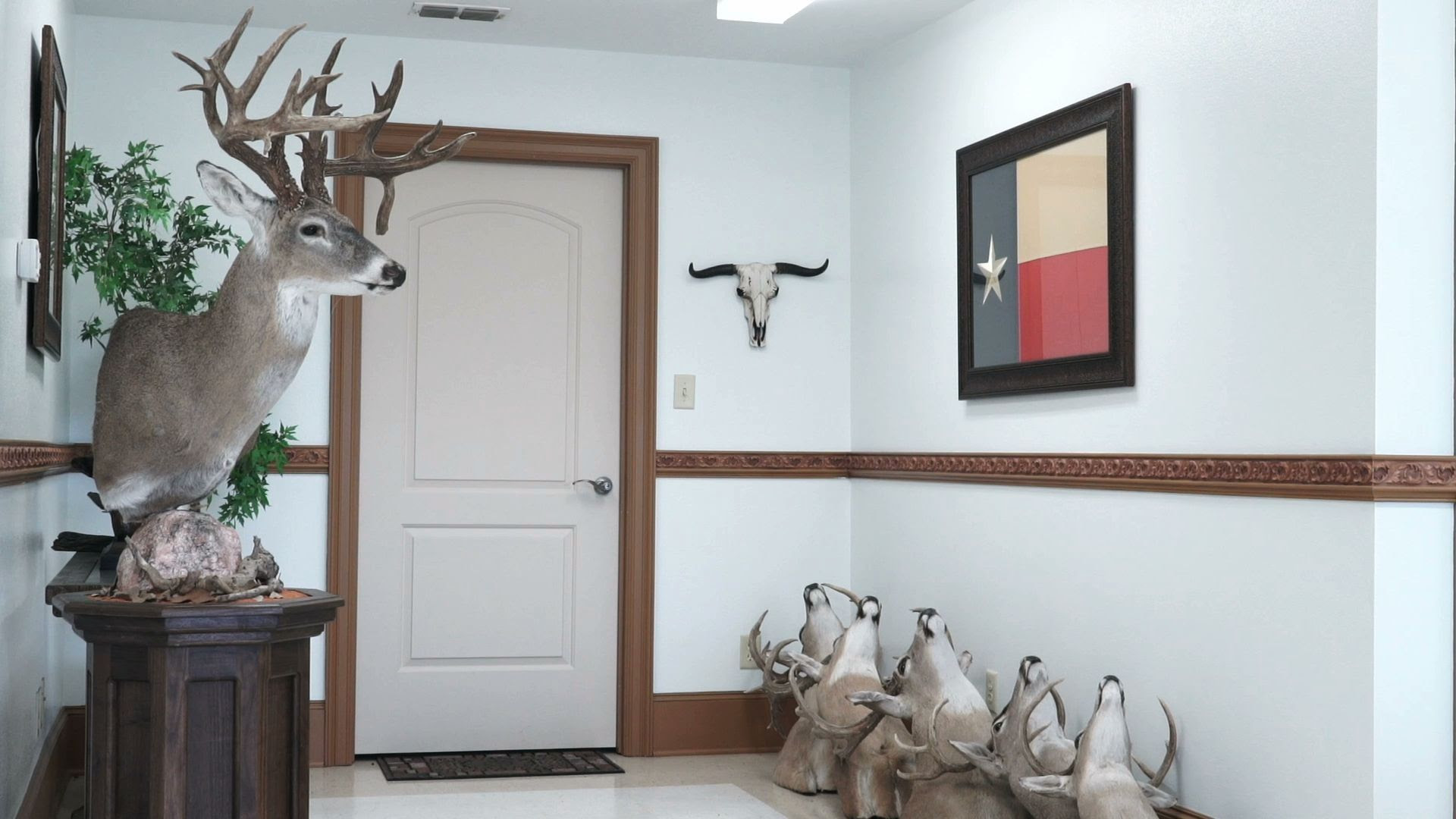

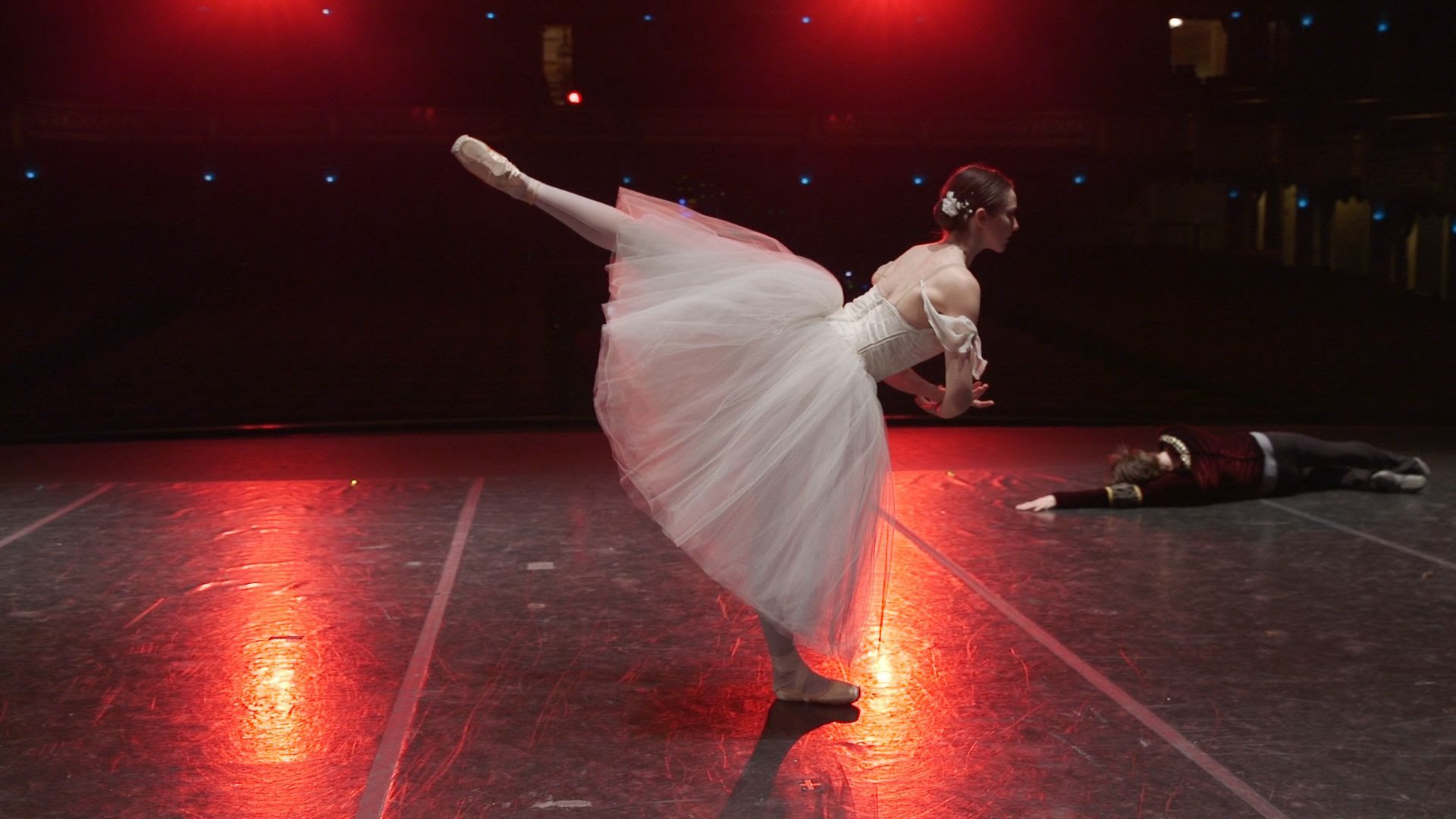
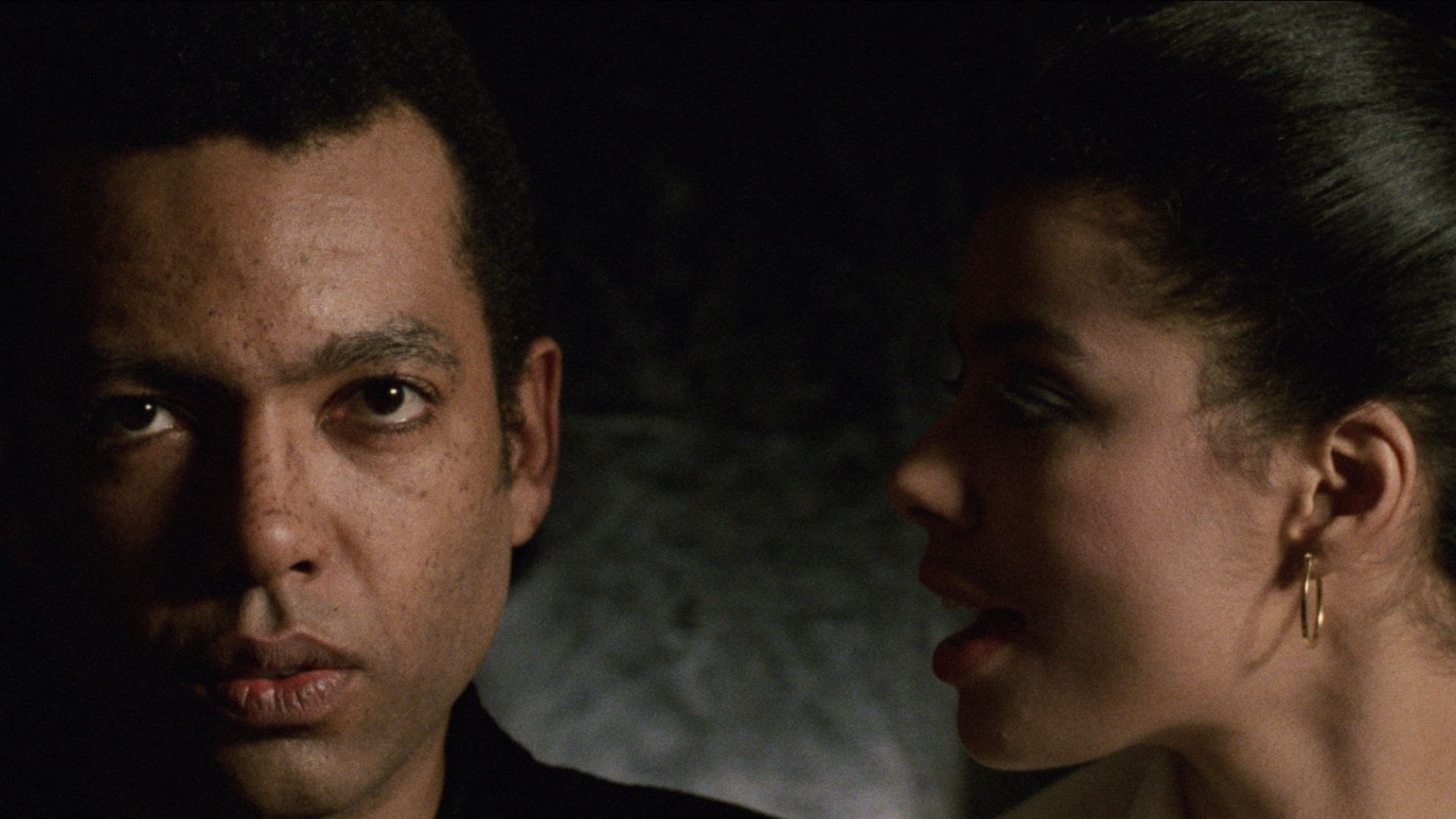
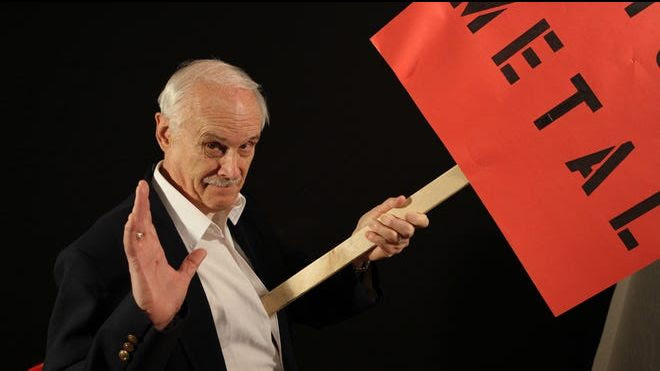


 South Of Heaven is a film that takes many unexpected turns from drama to crime thriller. Newly released from prison, Jimmy makes good on a promise to long time girlfriend, Annie. He wants to marry her before she passes from cancer, live a clean life, and then figure it out from there. Obstacles get in his way at every turn. South Of Heaven proves the old saying, “No good deed goes unpunished.” Frankly, that’s only half of it.
 Jason Sudeikis‘s work in
  The film, as a whole, is uneven. Part of me believes this would fair far better in series form. The beginning is a slow-burn relationship story. The upside of that is our genuine investment in the love between Jimmy and Annie. When the crime element appears, you think you know where this is going. Suddenly, we are thrown an extreme curveball halfway through. The final 30 minutes is another entirely new act. It’s a darkness I did not see coming. If you can get comfortable being uncomfortable, South Of Heaven will be right up your alley.





 Jason Isaacs takes a logical approach as Jay. The arc of Kranz’s writing allows Isaacs to break this role wide open. It was akin to watching a teapot slowly come to a boil. Ann Dowd plays Linda. She is gentle, hesitant, and genuine in her grief and guilt. It feels like she’s trying too hard to appease and remain compassionate. Dowd’s best moments are when she’s in tune with Reed Birney. As Richard, Birney counters Dowd’s apologetic energy. He is defensive at every turn, to the point of unlikability. It’s his survival mechanism. Birney wears an air of toxic masculinity like a badge of honor. Martha Plimpton plays Gail with thoroughly justifiable guarded anger. She is seeking ownership and responsibility from Linda and Richard. Her pointed line of questioning makes her intentions clear as day. Plimpton owns every glance, sigh, and raw syllable uttered in Mass. It’s an entire emotional journey right before our eyes. It’s a performance that captivates. The chemistry between these four actors is something so rare. They understood the assignment, as they say.
 The quiet, lingering moments in the first 20 minutes of the film are meticulously crafted to keep you stewing in anticipation of the inevitable storm to come. The entire film has a low registering hum and a palpable heaviness. As the plot is slowly revealed, politics seep into the conversation. The aftermath of trauma and grief are front and center. The discussion of mental health will echo in many households. The included social pleasantries on either end establish a grounded aspect, but it is that final unexpected 10 minutes that hit hardest. It’s a visceral catharsis. This is a master class in writing and performance. I would watch this on stage in a heartbeat. Mass is a portrait of four parents dealing with unthinkable loss. The most powerful aspect is the understanding that this conversation could be happening any day of the week nowadays. This is an emotional rollercoaster you cannot be prepared for. Mass brilliantly challenges the perspectives of cause and effect, blame, acceptance, forgiveness, life and death, and what parenthood means, deep in your soul. You will walk away changed.
 BAKER’S DOZEN
 Round Two kicks it up a knotch. In three hours, the remaining bakers must tackle a themed challenge, but their creation is finally put to the taste and uniformity test. Round Three, the final round, gives the round two victor a huge advantage; help from a special guest. The ultimate prize is not only the title, but cash and the elusive golden rolling pin. The chemistry between judges Tamara Mowrey-Housley and former Whitehouse chef Bill Mosses is delicious. They are honest, kind, and informative. It’s a nice give and take, and they are pro hosts. Baker’s Dozen utilizes an open-air kitchen that we’ve become familiar with. It’s bright, colorful, and equipped with everything a contestant could desire. That final round is what differentiates each episode. It’s a major feat to accomplish in 5 hours. Baker’s Dozen is a bingble, sweet treat for Hulu audiences. Your mouth will water, your eyes will be delighted, and it just might inspire you to get baking.


 Boasting unbelievable practical FX, the scares in V/H/S/94 are brilliant. I’m talking legitimate, meticulously timed jump scares from every single director. The quality of the film forces you to sit up and pay closer attention, sometimes squinting over the tracking adjustments as they crowd the screen. The V/H/S franchise has been able to capture something glorious beyond the found footage genre. It’s the mystery behind the overall arch that keeps you creeped out and engaged on top of the fantastic individual stories. It’s a double whammy of horror goodness. You’ll shiver and gag and think, “Damn, this is good shit.”
 The grand scheme of V/H/S 94, or “Holy Hell,” has the audience following a SWAT team into an industrial building filled with monitors and plenty of body parts. They don’t know who or what they’re searching for, exactly. As they sweep the rooms a new tape begins to play. Each one is completely different and spectacularly twisted. Tape 1, titled “Storm Drain” features a local legend of Ratman. An ambitious reporter and her cameraman get in over their heads. Tape 2, “The Empty Wake,” sees a young woman left to record the wake of a recently deceased man. Alone with a dead body during a storm? No thanks. This segment was my personal favorite. It’s old-school scary meets nuts visuals. I couldn’t help but yell NOPE at the screen, again and again.
 Tape 3 “The Subject,” tells the tale of a mad doctor attempting to improve humans with technology. If you ever wanted a live first-person shooter game experience, now you’ve got one. Tape 4 “Terror” takes aim at domestic terrorism with a group of militiamen planning to cleanse America with s monstrous weapon. I also have to mention, director Steven Kostanski’s infomercial “The Veggie Masher.” It’s totally maniacal and random as hell. But at the same time, perfectly harkens back to those 3 am hour-long commercials for ridiculous kitchen gadgets. The finale actually gives you answers. As the 4th installment of the franchise, V/H/S94 makes it clear that these films are alive and well and ready to fuck you up.


 Playing like a graphic novel, with characters’ names scrawled next to their introduction, the gunfire is chaotic and aplenty. I watched this a 2-hour film a second time to make sure I wasn’t missing anything. I think I still am. Even after my second viewing, American Night remains confusing in its non-linear storytelling. Listen, I wanted to love this film. The potential is there.
 Jonathan Rhys Meyers does his best to make American Night engaging. His character, John, attempts to make amends in love and begin an honest career. He’s strong as ever, in true neo-noir fashion. Though try as he might, he cannot hold up an uneven narrative that relies on cliché over concept. Jeremy Piven steals the show. The seriousness in which his character desires to be a ninja becomes the much-needed levity in all these convoluted shenanigans. I would happily watch an entire film about him. Emile Hirsch is the son of a New York City Mafia boss Michael Rubino, whose love of art plays above all else. That, and perhaps, his ego and an incredibly random love for scorpions. The performance goes from levelheaded to absurd based on the script. Hirsch takes it all in strive with 100% commitment.
 Here’s what doesn’t work for me; it takes 1 hour and 25 minutes for the stories to finally overlap after living them from different perspectives. The runtime would benefit from a 20-minute shave. Some of the delivery from ancillary characters reads as hokey. Okay, a lot of the dialogue does. The film includes one of the most ridiculous sex scenes ever. It seems like a laughable excuse to have Paz Vega appear naked onscreen.


 Writer-director Potsy Ponciroli‘s screenplay harkens back to classic westerns. There’s plenty of gunslinging, horseback, and trouble, for genre fans. It’s ceaselessly engaging, overflowing with slick writing, striking natural lighting, and insanely fantastic performances. There’s an underlying complexity that history fans will fawn over. Ponciroli has given audiences something special.
 Trace Adkins, as Henry’s brother-in-law, Al, is a wonderful balance of welcoming and spitfire. He owned every moment of screen time. Stephen Dorff is an unmistakable villain. You’ll loathe him. That’s a compliment to the work he does. Scott Haze plays Curry with confidence that counters Nelson to a tee. He shared the screen with Nelson in his breakthrough role in
  There is a smartly laid-out trail of clues, so keep a sharp eye out. Old Henry has a climax so legendary you’ll want to watch it again. It’s destined to be a classic. You can find Old Henry in theaters, beginning today. And, if you’re in the New York City area, our colleague, Joey Magidson at


 There is underlying violence that feels inevitable as Joseph begins to break. There may be a suggestion of hidden trauma. Ben Whishaw plays every beat with his whole body. His minute idiosyncrasies create an entire backstory. Compounding micro-aggressions lead to ticks, and then ultimately, a total breakdown in civilized behavior. He becomes manic. This is the epitome of base instinct. Whishaw will have you teetering on the brink of terror and awe. He is sensational.


 Featured clips span generations, directors, and co-stars. Karloff’s prodigious work ethic seemed to rival Alexander Hamilton’s, only they weren’t all winners worthy of a musical. It sure felt like a stretch to watch contemporary directors compliment Karloff’s 1932 portrayal of Fu Manchu, a deeply racist film I’ve only run into at the $5 bin at Target. But there are gems to be found even in these lesser-known films – I was stunned and a little charmed to see a young Jack Nicholson co-starring with Karloff in 1963’s “The Terror” (all of Karloff’s scenes were filmed in 2 days).
You must be logged in to post a comment.