
An Apple Original Film
FINCH

In “Finch,” a man, a robot and a dog form an unlikely family as Tom Hanks stars in a powerful and moving adventure of one man’s quest to ensure that his beloved canine companion will be cared for after he’s gone. Hanks stars as Finch, a robotics engineer and one of the few survivors of a cataclysmic solar event that has left the world a wasteland. But Finch, who has been living in an underground bunker for a decade, has built a world of his own that he shares with his dog, Goodyear. He creates a robot, played by Caleb Landry Jones (“Get Out,” “Three Billboards Outside Ebbing, Missouri”), to watch over Goodyear when he no longer can. As the trio embarks on a perilous journey into a desolate American West, Finch strives to show his creation, who names himself Jeff, the joy and wonder of what it means to be alive.
 The environmental inevitability of our planet is the backdrop of Finch. Tom Hanks plays the titular role. He’s a scientist surviving with his dog and his rover pet Dewey. His goal is to create a robot with the capabilities of protecting Goodyear when he passes on. This rag-tag crew attempts to outrun a superstorm by escaping St. Louis to San Francisco in a 1980s RV. Finch becomes a hilarious and heartwarming road movie you never saw coming.
Tom Hanks has an undeniable ability to play grounded humor in the simplest moments. We all know his talent in the drama department. You’ll always get every last ounce of life from him. But it is his quiet hope that holds your heart captive. Hanks keeps getting better and better with every role. Finch is another notch in his brilliant career.
 Caleb Landry Jones as Jeff is brilliant. His performance has a childlike quality that melts your heart. The script smartly allows Jones to explore every human emotion for the first time. The savant aspect combined with its innocence reminded me of my five-year-old autistic son. The linear and literal way of expression was something so familiar. Jones’s energy will undoubtedly speak to every single parent. His physical performance is through motion capture, and it alone is award-worthy. Hanks and Jones’ chemistry is the stuff of movie magic.
The visual grandeur of Finch places you in the desolate environment and squarely in the sadness of its isolated reality. The sets are astounding. Post-apocalyptic buildings covered in dust and graffiti, cars strewn across freeways, debris of all kinds scattered as far as the eye can see, the set dressing and visual FX teams nailed every inch of the landscape. The created technology is retrofuturistic. The design and personality of Jeff are comforting, lying somewhere between The Iron Giant and Big Bird. His intricate workings are impressive but never distract from the audience bonding with him.
Humanity, knowledge, legacy, and friendship, and family; these universal themes set Finch apart as a film. It encompasses the full spectrum of human experiences in just under two hours. Finch is an instant classic. You’ll feel good sitting down and viewing this with everyone in your family. It’s extraordinary.
Premieres globally on Apple TV+ on Friday, November 5
Cast:
Finch: Tom Hanks
Jeff: Caleb Landry Jones
Director: Miguel Sapochnik
Screenplay By: Craig Luck and Ivor Powell
Produced By: Kevin Misher, Jack Rapke, Jacqueline Levine, and Ivor Powell
Executive Producers: Robert Zemeckis, Craig Luck, Miguel Sapochnik, Andy Bermanand, and Adam Merims
ABOUT APPLE TV+
Apple TV+ is available on the Apple TV app in over 100 countries and regions, on over 1 billion screens, including iPhone, iPad, Apple TV, Mac, popular smart TVs from Samsung, LG, Sony, VIZIO, TCL and others, Roku and Amazon Fire TV devices, Chromecast with Google TV, PlayStation and Xbox gaming consoles, and at tv.apple.com, for $4.99 per month with a seven-day free trial. For a limited time, customers who purchase and activate a new iPhone, iPad, Apple TV, Mac or iPod touch can enjoy three months of Apple TV+ for free*.
For more information, visit apple.com/tvpr and see the full list of supported devices.


 Mimi Kuzyk


 Amy Smart


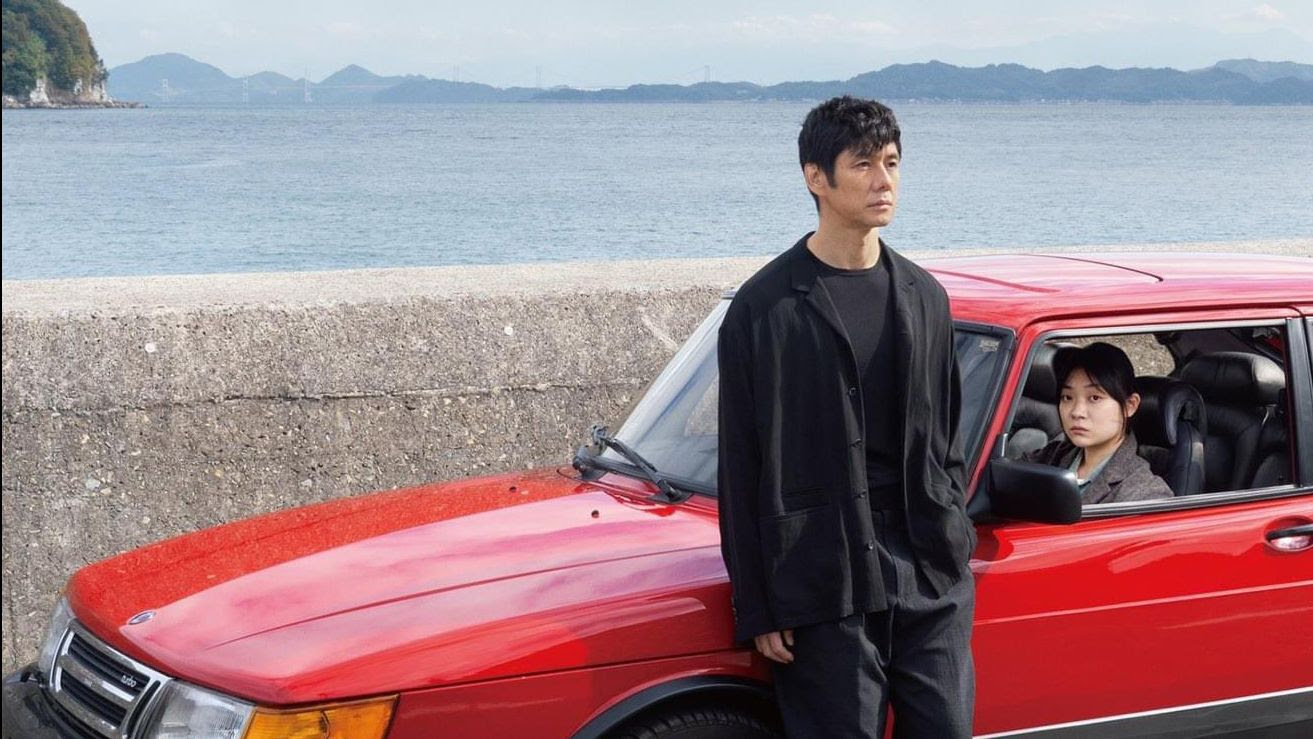
 Masao is coming to terms with his mortality in a quietly epic fashion. They say your life flashes before your eyes when you are about to die. In Masao’s case, we are a party to the type of man he was years ago. He is ushered into death by the ghost of his wife Grace, who takes him on a journey through time. There is a bit of a Christmas Carol quality, as Grace brings him into the memories of different and defining times. We come to learn his shortcomings, self-sabotage, doubt, adoration for his wife, and finally, acceptance of his fate.


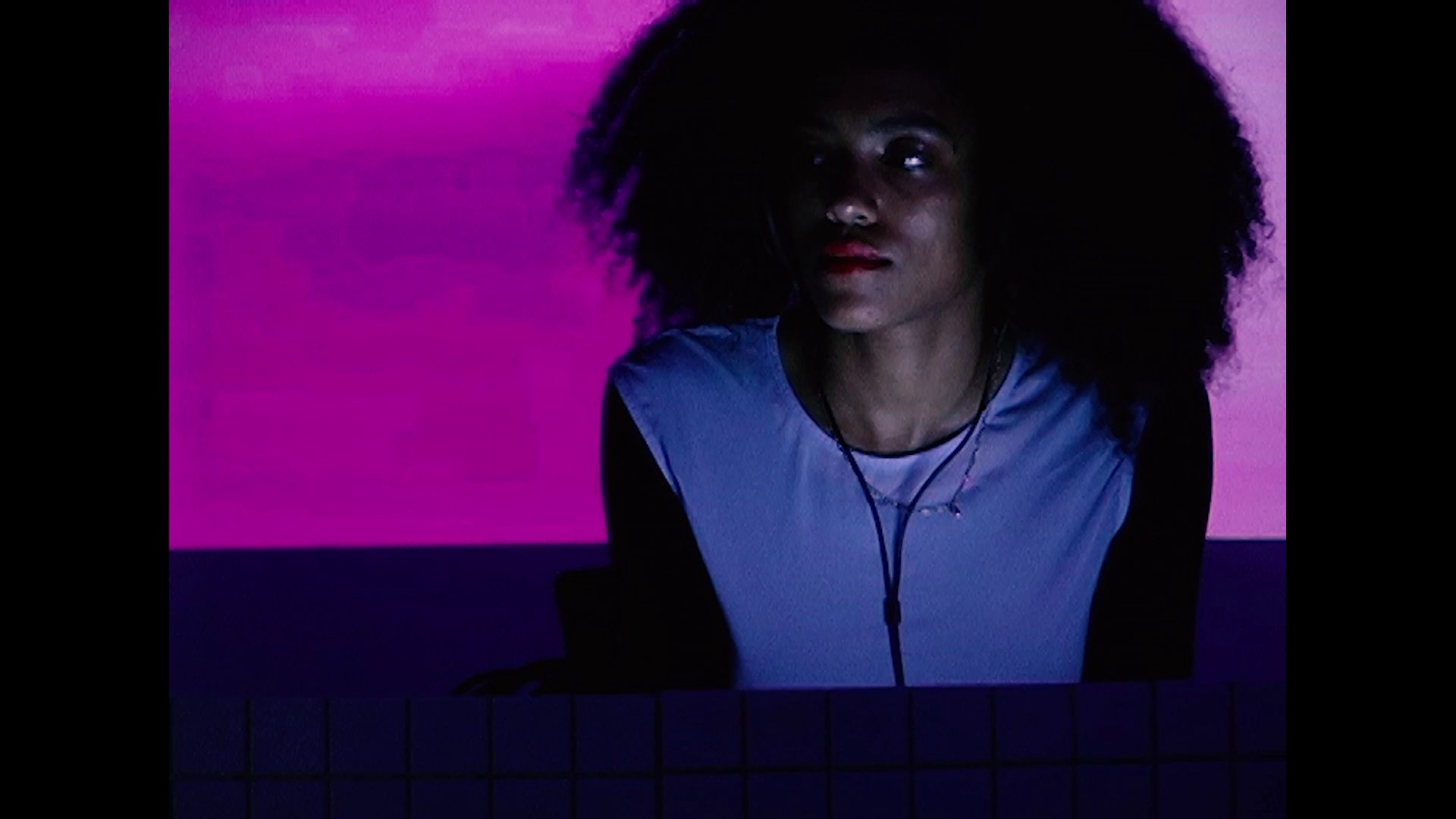
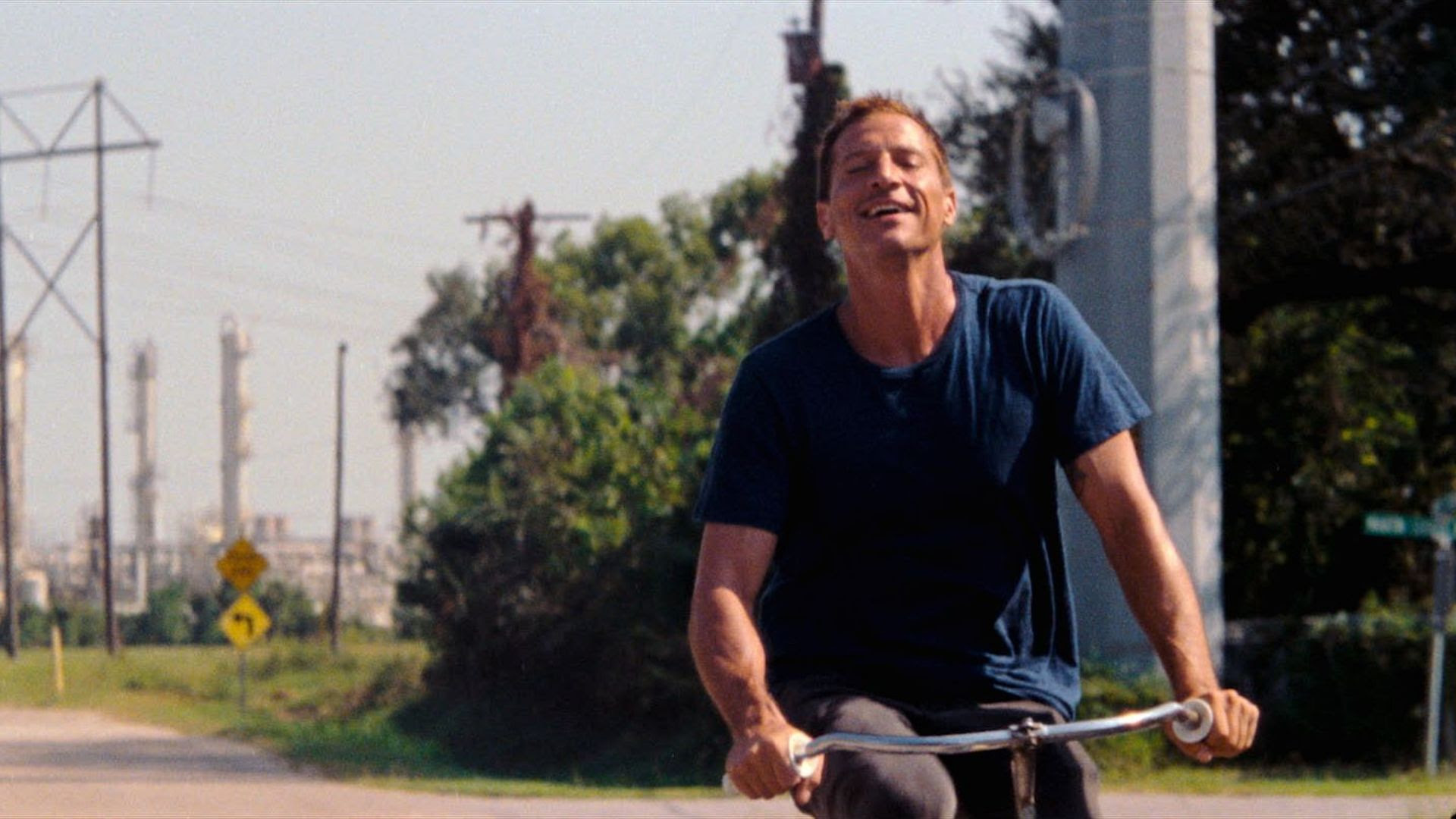
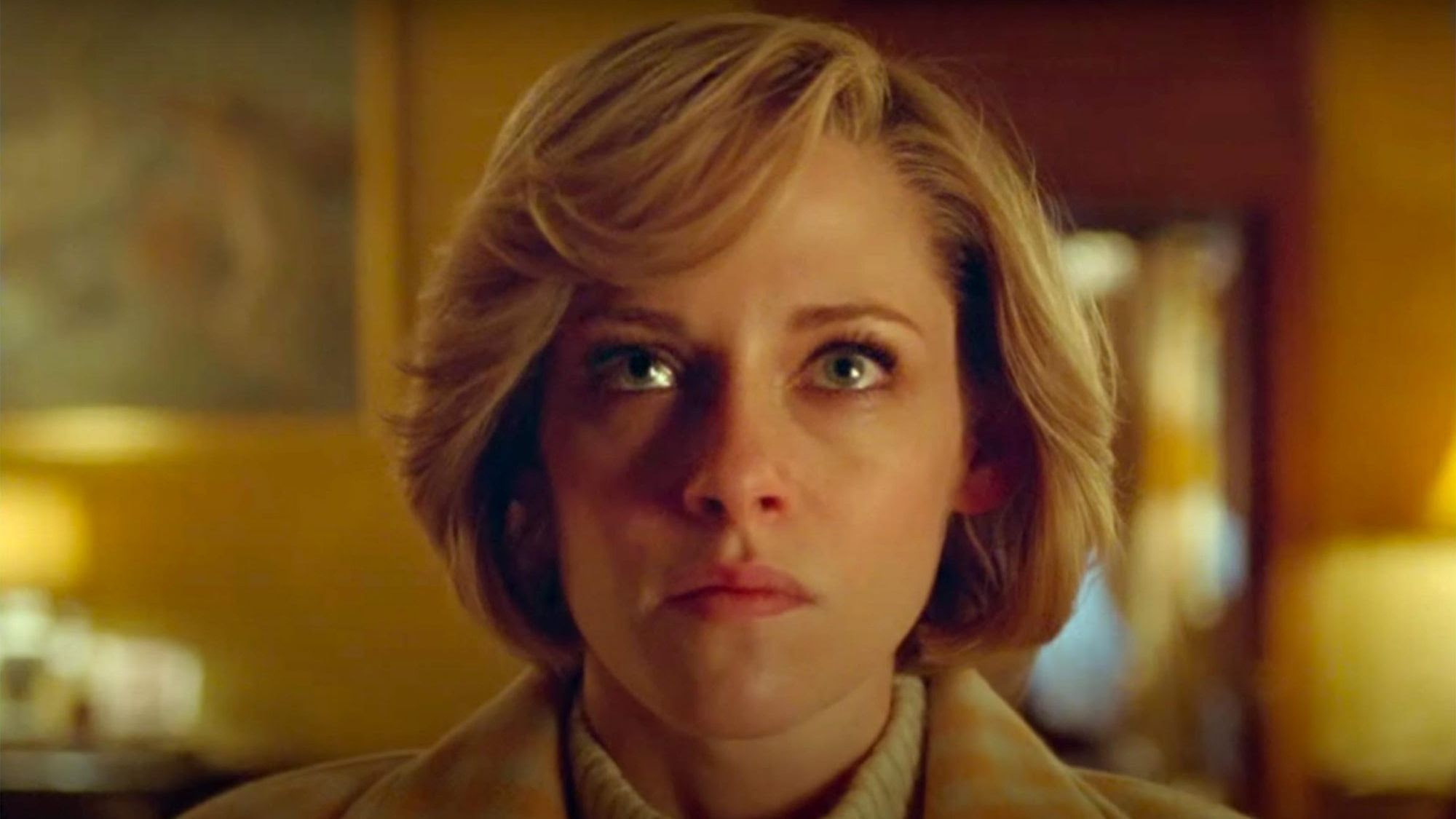
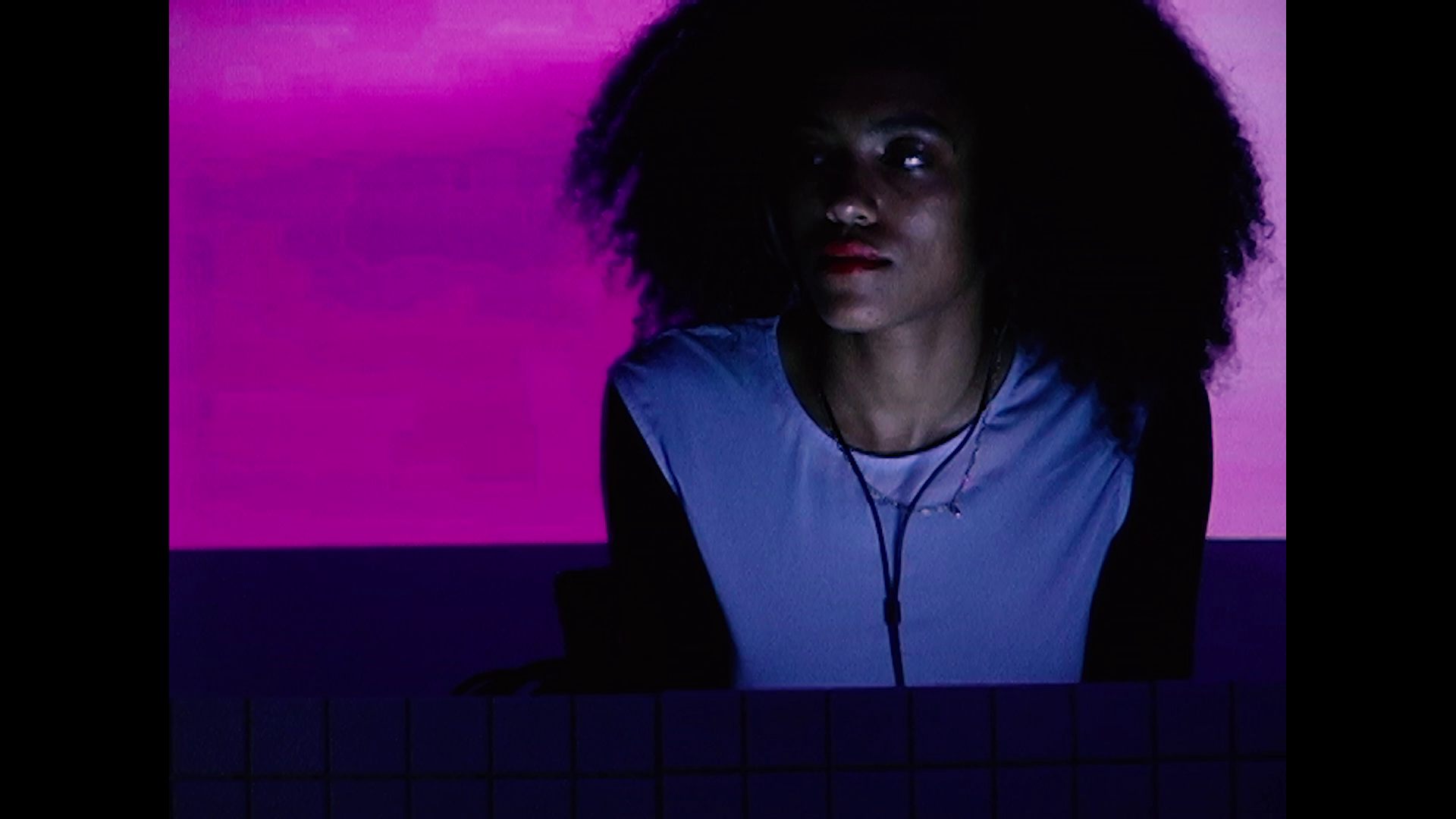
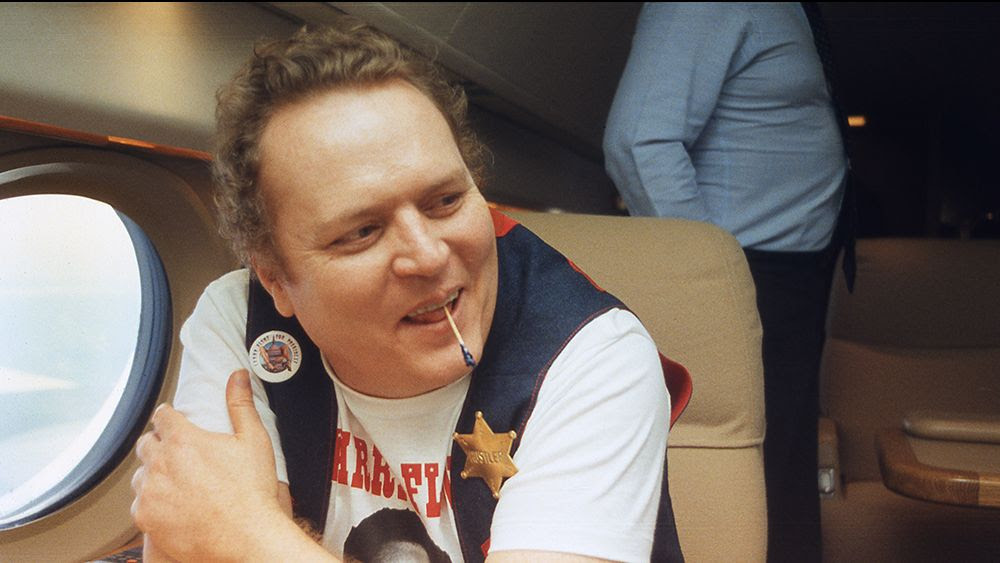
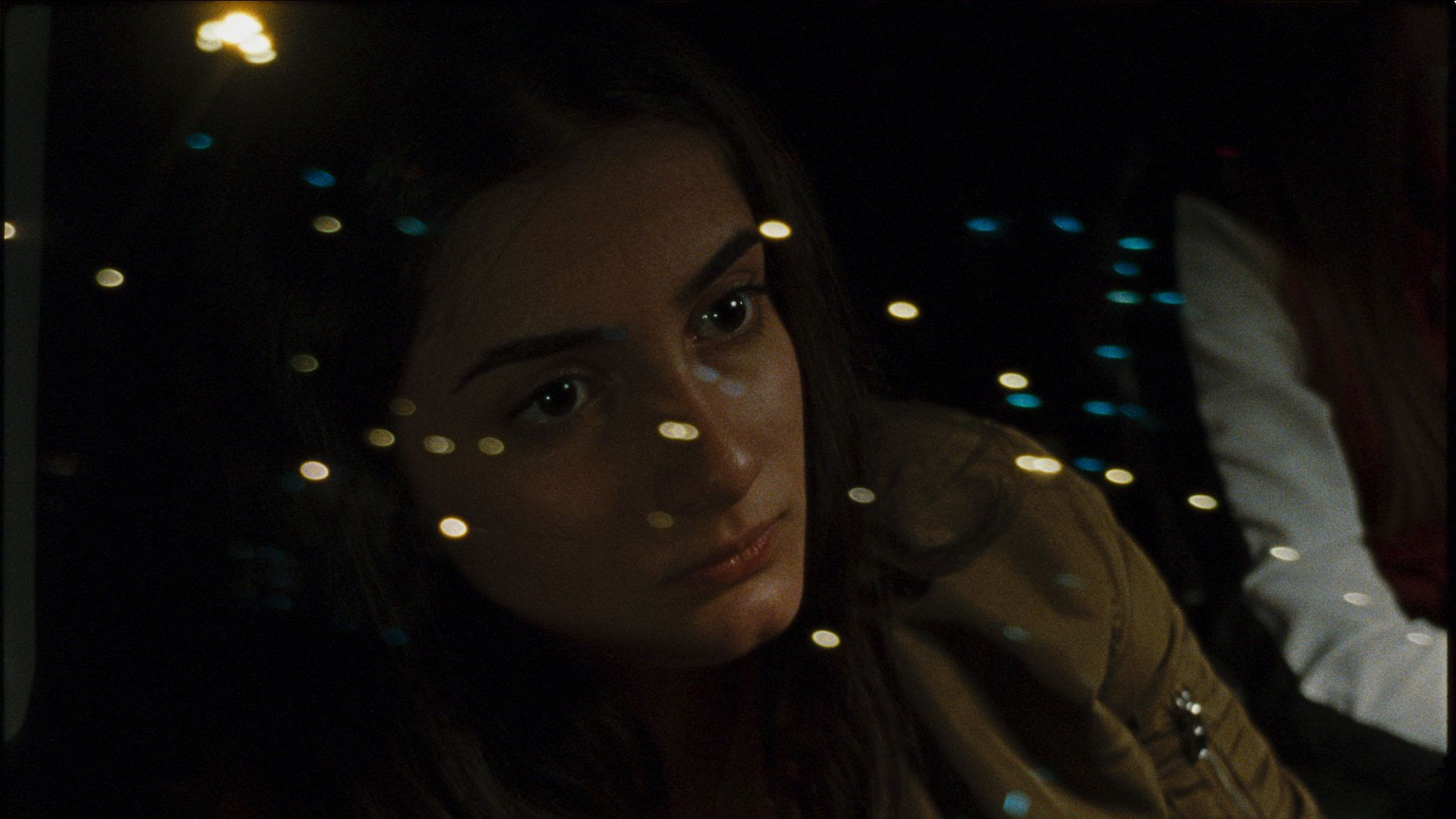


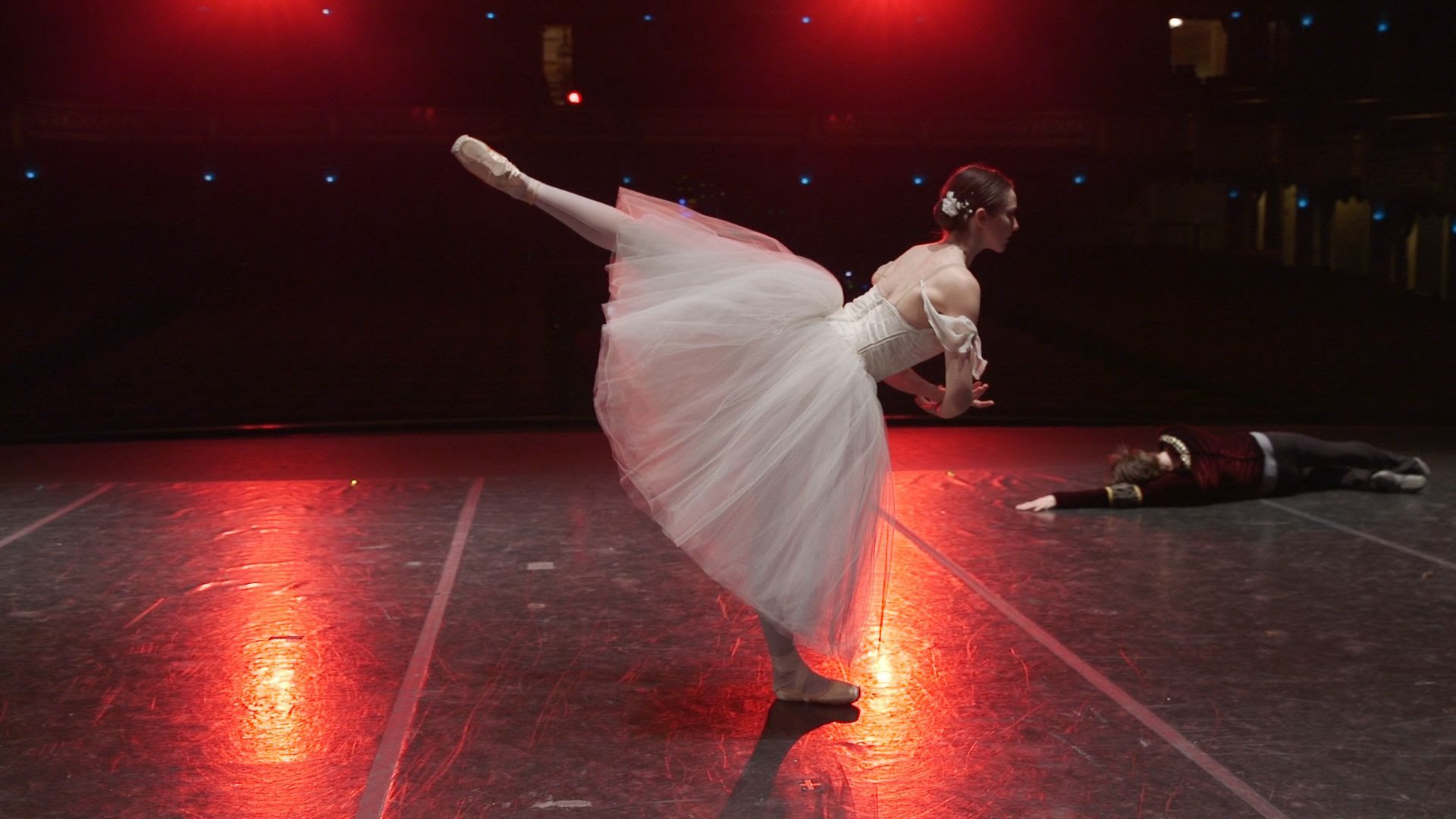
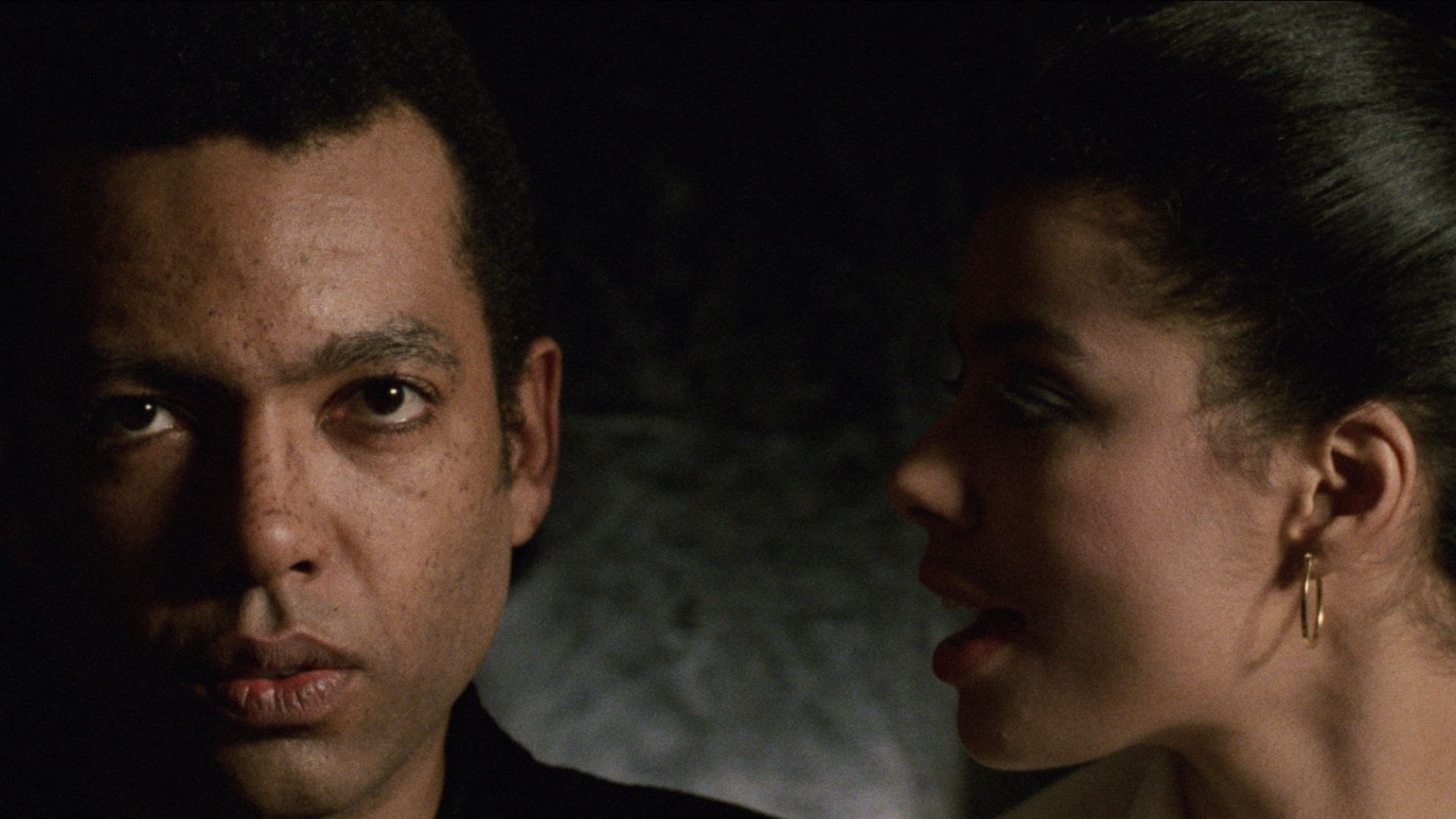
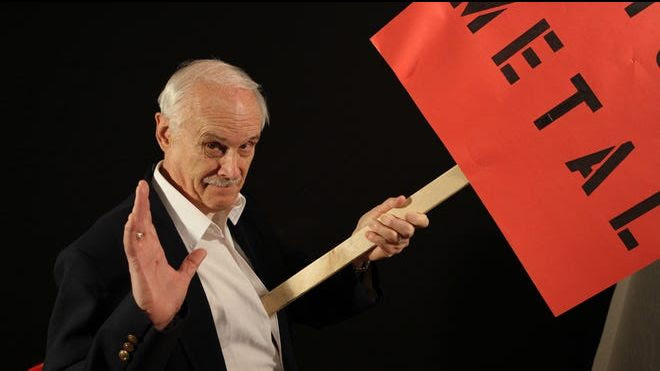


 South Of Heaven is a film that takes many unexpected turns from drama to crime thriller. Newly released from prison, Jimmy makes good on a promise to long time girlfriend, Annie. He wants to marry her before she passes from cancer, live a clean life, and then figure it out from there. Obstacles get in his way at every turn. South Of Heaven proves the old saying, “No good deed goes unpunished.” Frankly, that’s only half of it.
 Jason Sudeikis‘s work in
  The film, as a whole, is uneven. Part of me believes this would fair far better in series form. The beginning is a slow-burn relationship story. The upside of that is our genuine investment in the love between Jimmy and Annie. When the crime element appears, you think you know where this is going. Suddenly, we are thrown an extreme curveball halfway through. The final 30 minutes is another entirely new act. It’s a darkness I did not see coming. If you can get comfortable being uncomfortable, South Of Heaven will be right up your alley.





 Jason Isaacs takes a logical approach as Jay. The arc of Kranz’s writing allows Isaacs to break this role wide open. It was akin to watching a teapot slowly come to a boil. Ann Dowd plays Linda. She is gentle, hesitant, and genuine in her grief and guilt. It feels like she’s trying too hard to appease and remain compassionate. Dowd’s best moments are when she’s in tune with Reed Birney. As Richard, Birney counters Dowd’s apologetic energy. He is defensive at every turn, to the point of unlikability. It’s his survival mechanism. Birney wears an air of toxic masculinity like a badge of honor. Martha Plimpton plays Gail with thoroughly justifiable guarded anger. She is seeking ownership and responsibility from Linda and Richard. Her pointed line of questioning makes her intentions clear as day. Plimpton owns every glance, sigh, and raw syllable uttered in Mass. It’s an entire emotional journey right before our eyes. It’s a performance that captivates. The chemistry between these four actors is something so rare. They understood the assignment, as they say.
 The quiet, lingering moments in the first 20 minutes of the film are meticulously crafted to keep you stewing in anticipation of the inevitable storm to come. The entire film has a low registering hum and a palpable heaviness. As the plot is slowly revealed, politics seep into the conversation. The aftermath of trauma and grief are front and center. The discussion of mental health will echo in many households. The included social pleasantries on either end establish a grounded aspect, but it is that final unexpected 10 minutes that hit hardest. It’s a visceral catharsis. This is a master class in writing and performance. I would watch this on stage in a heartbeat. Mass is a portrait of four parents dealing with unthinkable loss. The most powerful aspect is the understanding that this conversation could be happening any day of the week nowadays. This is an emotional rollercoaster you cannot be prepared for. Mass brilliantly challenges the perspectives of cause and effect, blame, acceptance, forgiveness, life and death, and what parenthood means, deep in your soul. You will walk away changed.


 There is underlying violence that feels inevitable as Joseph begins to break. There may be a suggestion of hidden trauma. Ben Whishaw plays every beat with his whole body. His minute idiosyncrasies create an entire backstory. Compounding micro-aggressions lead to ticks, and then ultimately, a total breakdown in civilized behavior. He becomes manic. This is the epitome of base instinct. Whishaw will have you teetering on the brink of terror and awe. He is sensational.


 Nelson Lee, as Ben, gives us a slick, and a tad aloof, performance. He’s the backboard we need for Albee’s ceaseless attitude. Trent Atkinson‘s smart script allows Lee to play many sides of a perfectly flawed man. Bethany Anne Lind, as Carly, is the bright savior figure. Lind wears her heart on her sleeve in an attempt to get to the root of her guests’ issues. Perhaps, to her own relationship’s detriment. Amber Midthunder plays Albee with a fire that is accosting. Breaking through her wall is precarious and revealing. Midthunder walks a thin line between entitled Gen Zer and trauma survivor. You’ll be captivated by her interactions with every cast member. Taylor Gray breathes life into Walker. His vulnerability drives this story like a freight train. He’s so committed to making Albee and Walker’s relationship work. Their pain is palpable. Gray evokes a visceral response. I could not fathom someone being so unequivocally devoted to what appears to be a toxic relationship.
 There’s an honesty to this script that will be a gut-punch for viewers. It will undoubtedly force you to confront your relationships. Atkinson wrote the characters of Albee and Ben to have more similarities than at first glance. He did the same with Carly and Walker, creating engrossing dynamics. There are some profound moments between these cast members. Their overall chemistry is the stuff of dreams.


 Aubrey Plaza plays against type as Lucy. She’s a type-A editor on the verge of bankruptcy. She’s got a lot to prove. On the surface, this is the least brooding role she’s ever played. Unsurprisingly, that’s all a rouse, and Plaza is up for the challenge. Lucy is given a beautiful arch. Her backstory, like Harris’, is slowly revealed. This allows us to fall in love with both of these characters. Sir Michael Caine gives one of his career’s best performances. As curmudgeonly and reclusive writer Hariss Shaw, he has settled into a lifetime of secrets and sadness. At times, Caine is raucous and crass. Others, he is docile and pensive. The chemistry between Plaza and Caine feels like an honest-to-God mentorship onscreen. This is generational genius, and we are the witnesses.
 Voracious readers will connect with this script. The film flows like a novel with its complex characters and ever-evolving nuance. The screenplay unfolds in three distinct chapters, befitting the subjects and full story. Both Lucy and Harris straddle the line between saving face and redemption. The passages from Harris’ fictional work touched my soul. I could feel my chest well up hearing them read by average folks along the book tour. By the finale of Best Sellers, I was in full tears. The totality of Anthony Greico‘s award-winning script has so much heart. It’s incredibly cathartic. These two people were meant to change each other. The messaging of identity and grief are undeniable. In the words of Harris Shaw himself, “Be brief, be brave, be truthful. ” Director Lina Roessler has done just that. Best Sellers is not to be missed.


 Director Michael McGowan‘s screenplay pays full tribute to novelist Miriam Toews‘ original text by keeping these characters unapologetically demonstrative and smart. The film swiftly takes an ax to the patriarchal religious structure. That’s really the smallest part of deconstructing preconceived notions in this story. All My Puny Sorrows is about the reclamation of power and what that looks and feels like for each of the Von Riesen family members: dad included. Well-read audiences may connect on a different level. Ironically, the heavy literary aspect might also be the film’s downfall, with some viewers unable to discern between quotes and original dialogue. It will either win or lose audiences in its verbosity. I’m hoping that’s not the case, as those moments are akin to poetry.


 Frankie (John Pollono), Swaino (Jon Bernthal), and Packie (Shea Whigham) are working-class men that share a friendship bond going back to childhood. That bond is strengthened further by their co-parenting of Frankie’s beloved daughter Crystal, who has spent a lifetime being raised by a loving– if raucous– male collective. This sets the scene for a fascinating character study of a group of men raised in a culture steeped in toxic masculinity who struggle to push back against it but often fall incredibly short.
  At first, Small Engine Repair seems like a dark family drama with a comedic edge. However, it is not until the second act that the viewer realizes that they are in the midst of a thriller. Complex performances by the entire cast gradually build tension through sharp looks, quick words, and complicated histories until the atmosphere on screen is so thick with menace that suddenly, every word and movement is a threat.


 A story of cyclical abuse with a touch of magical realism, Baby, Don’t Cry was a completely unexpected journey. Fair warning for survivors of abuse, this film may be a trigger watching for you. The deeper you go into the story the more complex our leads are revealed to be. Two young people in hopes of escaping their sad circumstances, latch onto one another. It’s evidently unhealthy to the audience but entirely understandable. Lack of father figures is a running theme, as are racism and mental illness. The emotional burdens that Baby and Fox carry are unrelenting. Zita Bai, our leading lady, and creator of Baby, has given us a thoroughly nuanced character. Some moments will make you infuriated with her, while others provoke sympathy It’s an extraordinary culmination of emotions. Baby, Don’t Cry will make you cringe, shake your head, and fill you with a bit of wonder.
 Thanks to Twitter, an estranged and dysfunctional family throws an accidental party on their move-out day. A barrage of quirky characters show up to explore and wreak their own brand of havoc. Wonderful Paradise is an absurdist sideshow. I would genuinely recommend watching this high. The number of times I exclaimed, “Huh?”, “What?”, or, “Sure, why not?! ” I lost count quite frankly. I must applaud the cast for their absolute commitment to their craft. The cast grows exponentially as the film rolls on and every single performer gives it 110%. The slow and district progression of the set is wild. The practical FX combined with the wackiest of screenplays make Wonderful Paradise perfect for Fantasia audiences. It is unlike anything I’ve ever seen before. Do I understand the final result? Absolutely not. Would I watch it again? Don’t threaten me with a good time.

 I feared this Martyrs Lane would be overlooked among the plethora of gore-filled content. That would have been the biggest shame to befall this year’s Fantasia International Film Festival. Writer-director Ruth Platt‘s carefully crafted tension and mystery should be celebrated. It has a quieter Babadook energy to it that is unmistakable. The film manages to be both a slow burn and a vice grip of tension. The editing puts your head in a spin in that you’re never sure what is real until the very final scene. Performances are outstanding. The fact that the entire premise mostly hinges on the work of two small girls will blow you away. It is no wonder young lead Sienna Sayer won the Special Jury Rising Star award. Martyrs Lane will hit harder for parents. Any story centered around children begets that internal ache from the very getgo and Martyrs Lane is no exception. It’s beautifully shot and elegantly lit. The exquisite progression in makeup heightens the overall dread. It speaks to the consuming power of grief and secrets. I cannot wait for Shudder audiences to experience this film in a few weeks. This one is special. Undoubtedly, one of my favorites from this year’s lineup.

 Perry Blackshear is the man with all the hats taking on directing, writing, cinematography, and producing. One of the best goosebumps-inducing moments occurs in the form of actress Libby Ewing’s hand appearing from nowhere. There is something so startling about this simple action. Its impact speaks volumes. There is a nice connection between the physical and metaphorical. The fight training scenes are a great representation of emotional preparedness. And without spoiling anything, the devil you know is sometimes a safer bet than the devil you don’t. When I Consume You is an addiction allegory. Whether that is drugs or depression, the weight of trauma never quite leaves you. While the pacing of the film had some static moments, overall this is a fresh take on a haunting premise.

 The set is enthralling. Painted windows, lace curtains, antique furniture, and gardens as far as the eye can see within the boundaries they protect. But this carefully curated surrounding is also a prison for this family. The moment this existence is challenged, their sacred way of life begins to crumble. Performances, across the board, are phenomenal. The script grows more intriguing by the minute. With learned skepticism and real fear of losing the ones they cherish, Glasshouse reveals itself like a meticulously structured novel. The twists are dark and plenty. The finale will shock you. Glasshouse is undoubtedly one of my favorite films at the Fantasia International Film Festival 2021.


 At an impasse of religion and love, the title of this thought-provoking short film suggests that it’s a horror film. While not touted as such, what unfolds in 25 minutes between family members is absolutely horrific. To fully appreciate the nuance in Over My Dead Body takes an open mind. Often, we place ourselves in the shoes of the characters on screen. Here, depending on your religious beliefs (or lack thereof), the complexities are unsurpassed. Having religion forced upon me as a child backfired at the age of about 14. In a world filled with volatility caused by media corporations, conflicting gods, and traditions, Over My Dead Body hits harder in modern times. Our families are supposed to love us unconditionally. What happens when that isn’t true? The cinematography is smart and takes advantage of the lush sets and costumes. Performances from this true ensemble cast are magnetic. You know this family. It resembles your own in more ways than you might realize at first watch. With an ending that will leave you breathless, the impact of this short should echo loudly.
You must be logged in to post a comment.