

ALONE WITH YOU

While waiting for her girlfriend to return home for their anniversary, Charlie Crane discovers she’s trapped inside her apartment and begins a frantic fight for survival as nightmarish visions descend and a voice in the wall guides her towards a way out.
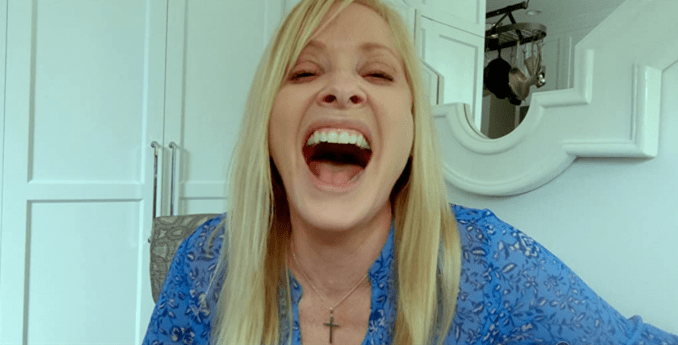 Emily Bennett understands how to accentuate a feeling of claustrophobia. Stuck in a wildly angled apartment, brimming with eccentric kitsch, Charlie awaits the arrival of her girlfriend behind a front door that won’t open. As time passes, confusion arises. Simone should be home by now. Charlie hears voices, doesn’t know what time it is, and things seem to move on their own. Reality shifts under her, and things get worse by the minute.
The success of Alone With You lies within the minute details. Keep a sharp eye on every frame. The script is dizzying. The longer Charlie is trapped, the more overwhelming the story becomes as memories flood in. There is a jump scare so fantastically timed that I stumbled backward and gasped. And the transition that follows makes things all the more intriguing. Barbara Crampton plays Charlie’s mother. She’s a conservative woman who doesn’t want to accept her daughter. Although Crampton only appears in two scenes, she owns them. She’s a legend. She never fails to amaze.
 Dora Madison, as Thea, is fantastic. She’s got this crunchy, stoner vibe. The way she holds the phone during her video calls with Charlie is incredible. It adds to the realism of her party friend vibe. Madison’s laid-back attitude counters Bennett perfectly. Emma Myles, who you’ll recognize from Orange Is The New Black, plays Simone. She’s the photographer girlfriend of Charlie. The script allows her to play both soft and hard moments, and she kills it.
Emily Bennett and Justin Brooks have written one hell of an arch for Charlie. You can see the sanity slowly drain from her eyes. It takes a lot of energy to be in every single scene. She knocks it out of the park. Alone With You keeps you on your toes, constantly second-guessing what might be happening. So much of the terror relies on sound. This only makes Bennett’s performance more impressive. The mystery and horror thrill you until the very last frame. It’s one hell of a debut.

-
Director:Emily Bennett, Justin Brooks
-
Screenwriter:Emily Bennett, Justin Brooks
-
Producer:Andrew Corkin
-
Cast:Emily Bennett, Barbara Crampton, Dora Madison, Emma Myles, Meghan Lane


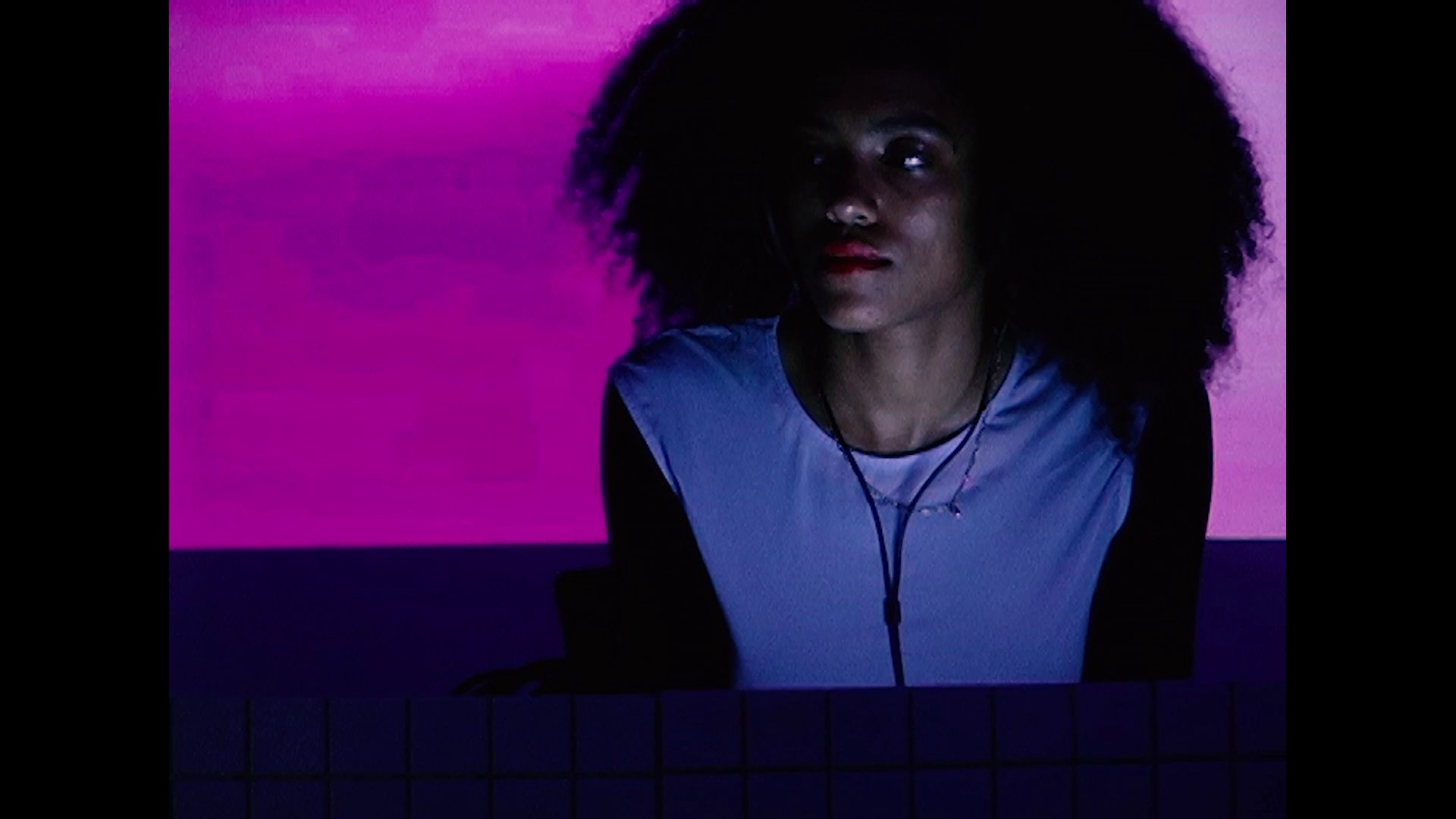
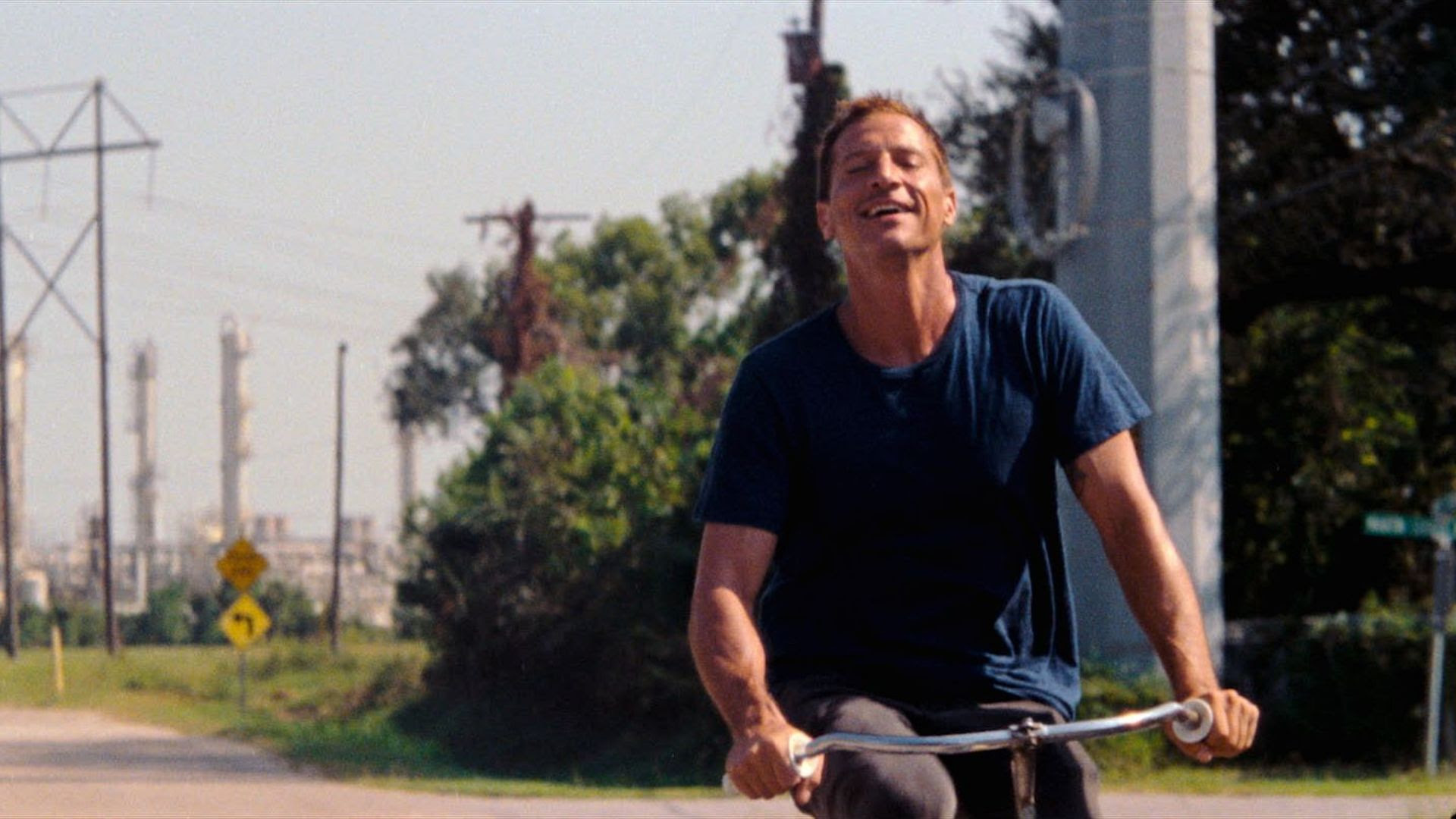
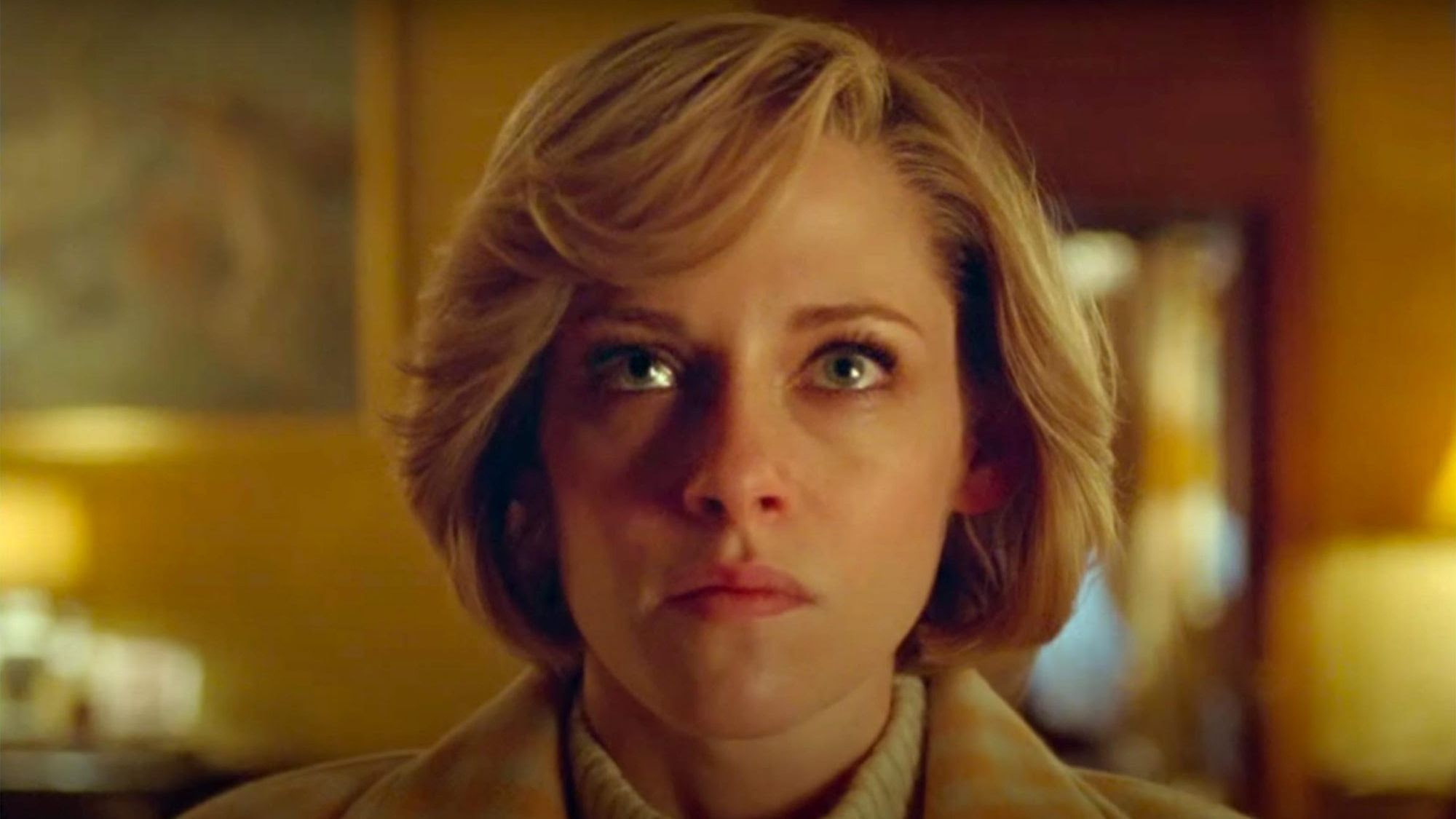
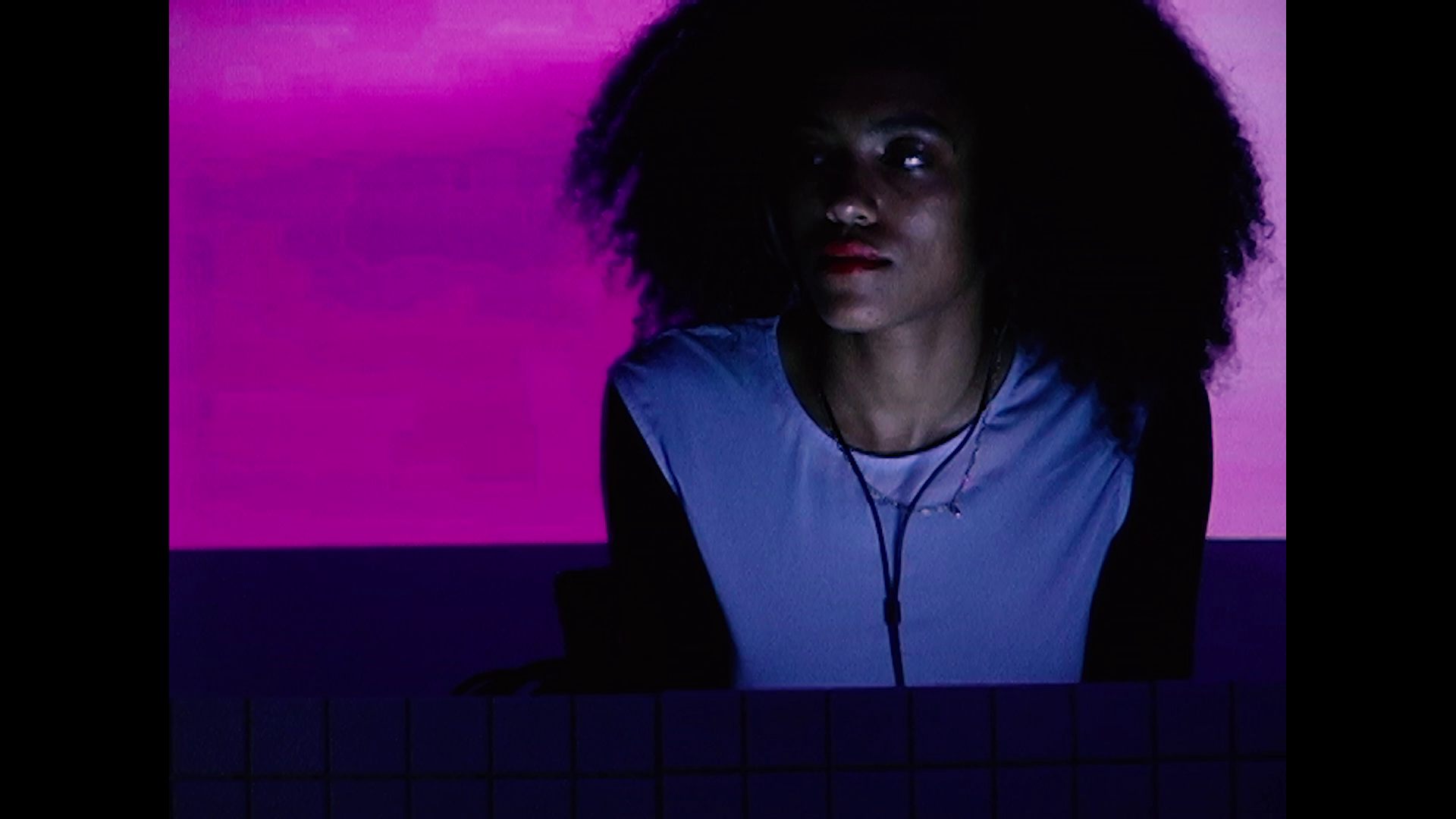
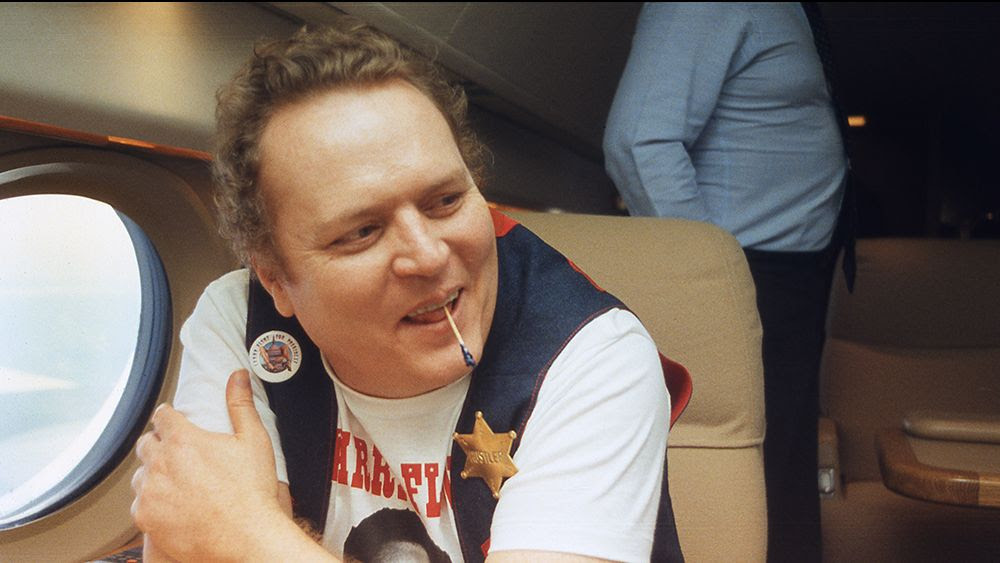
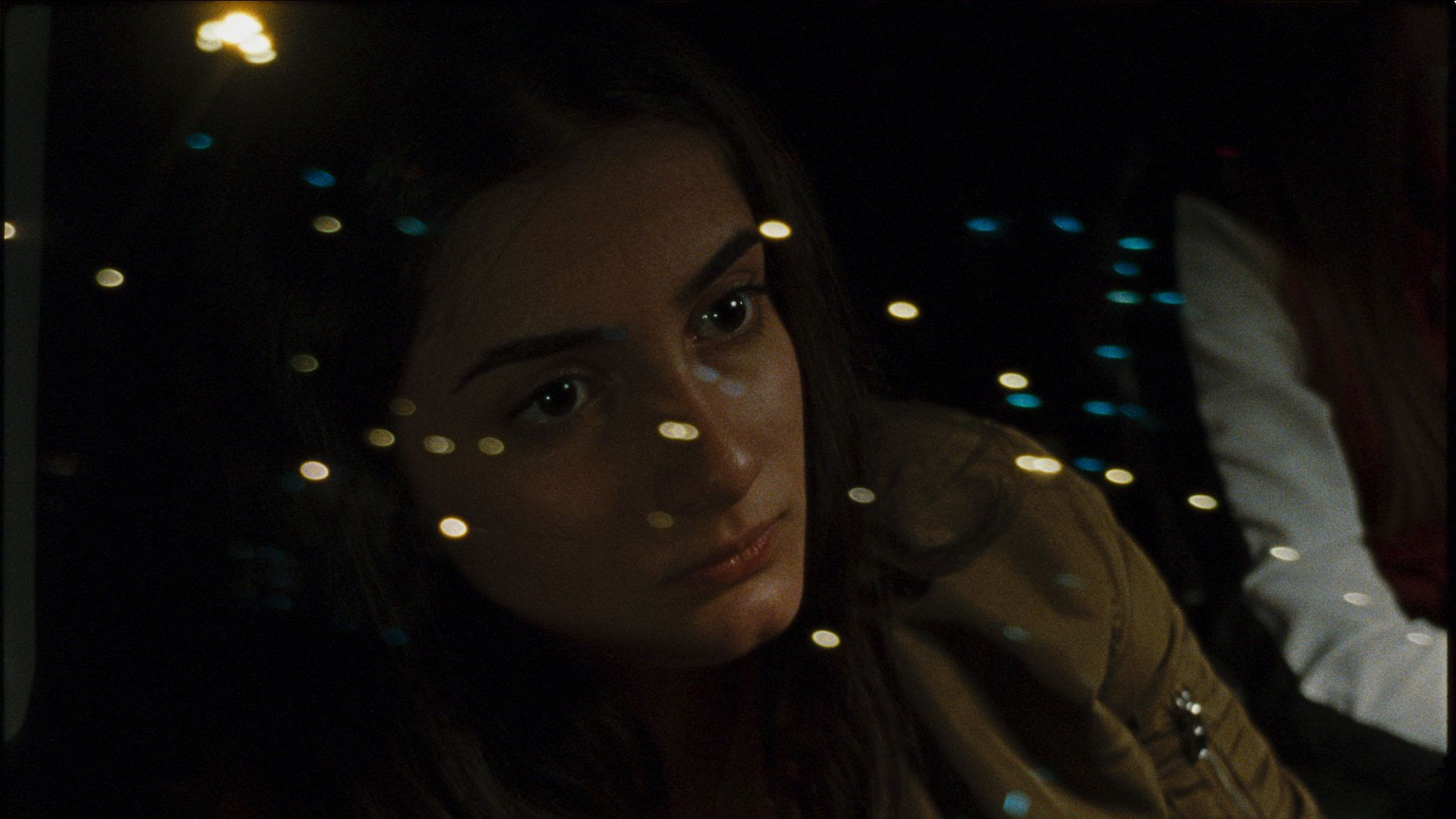
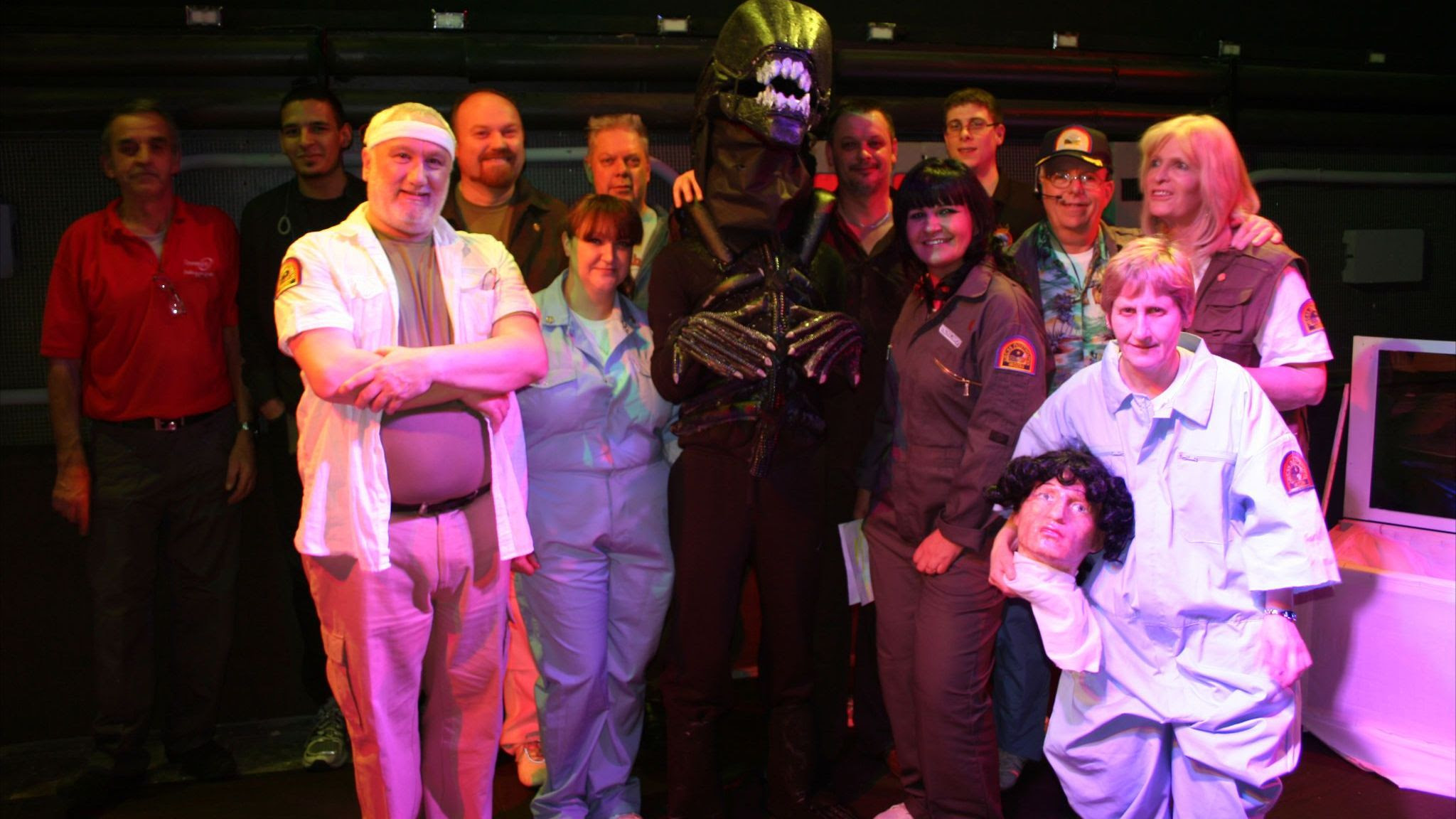
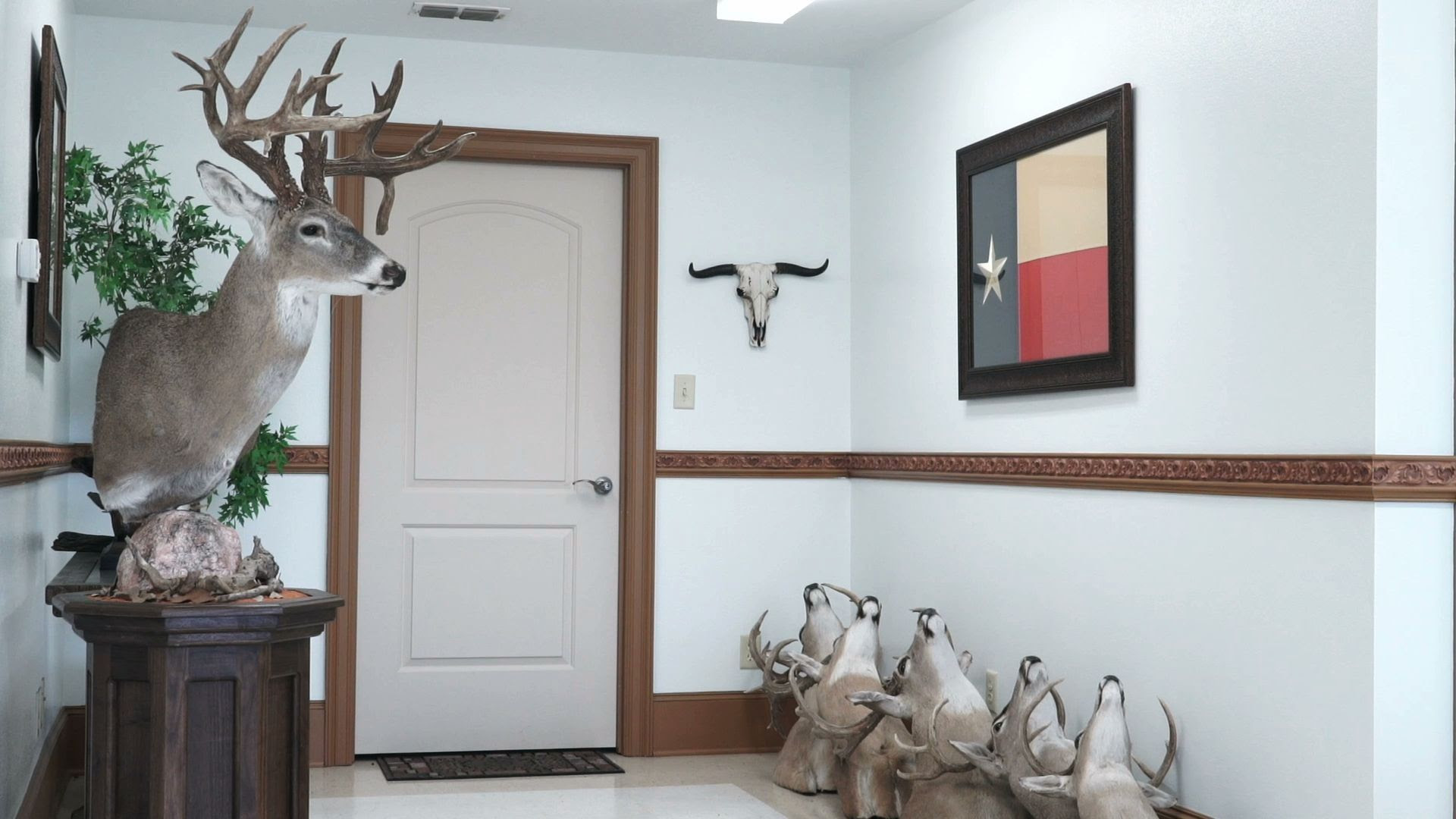

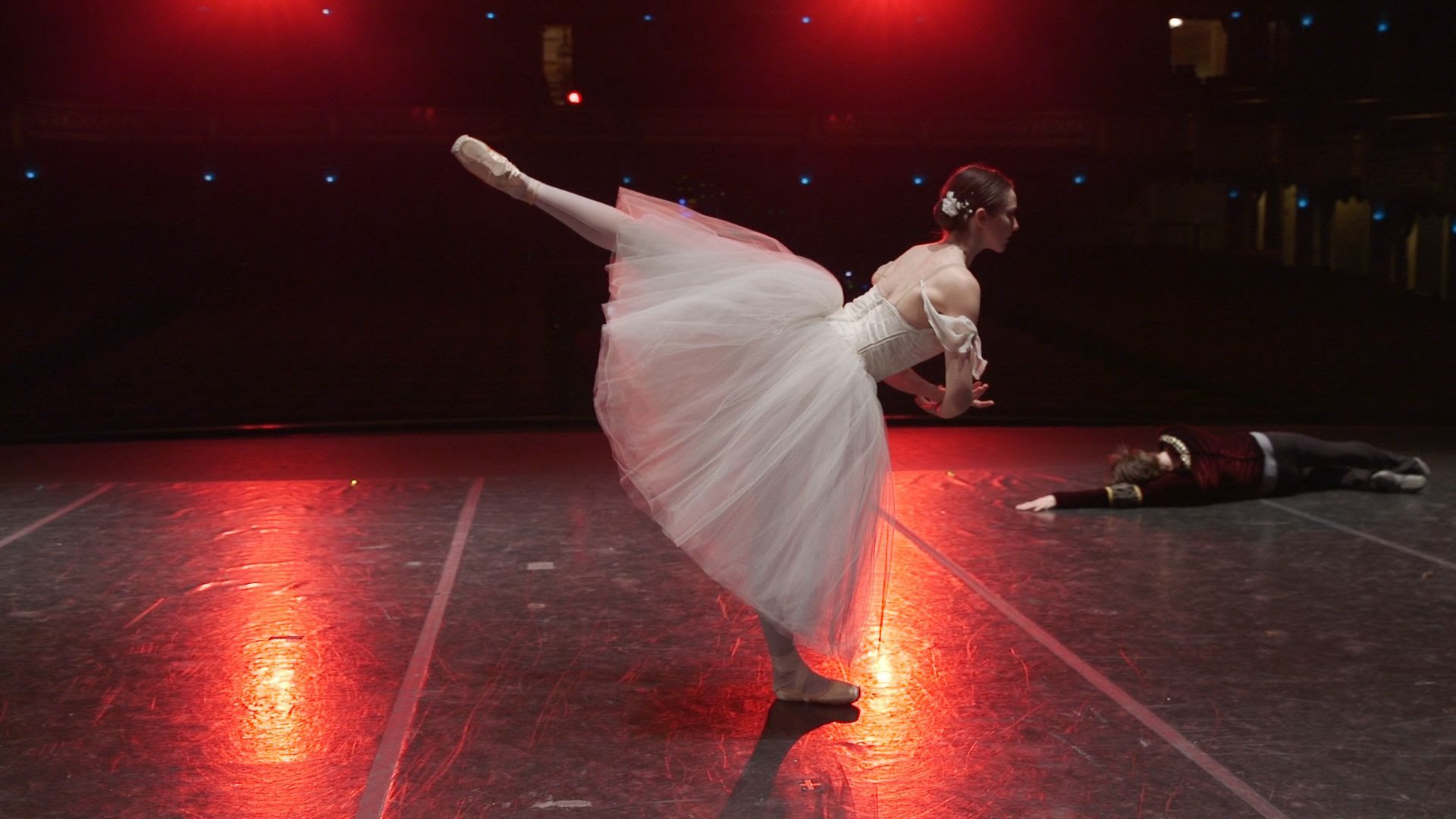
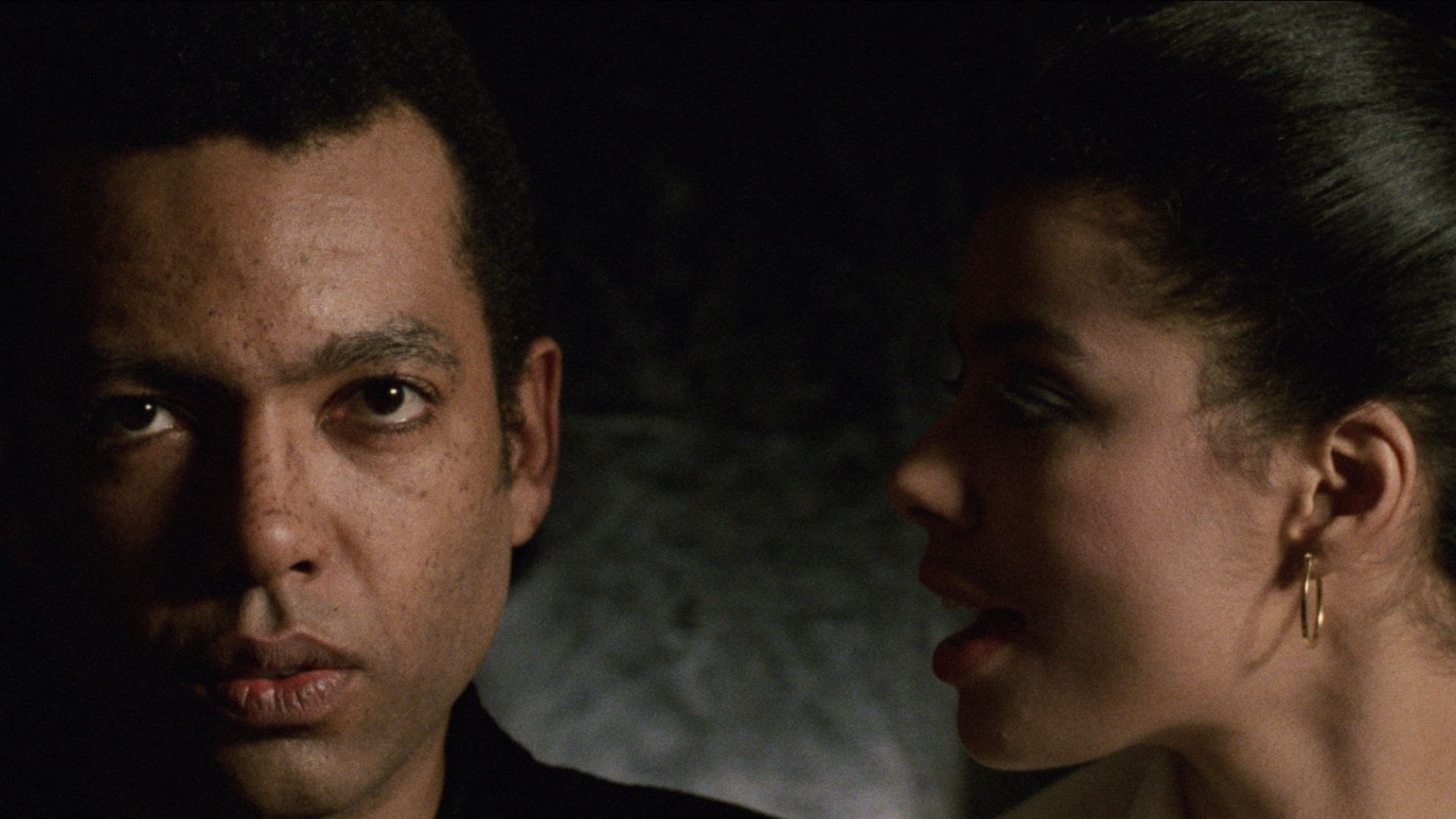
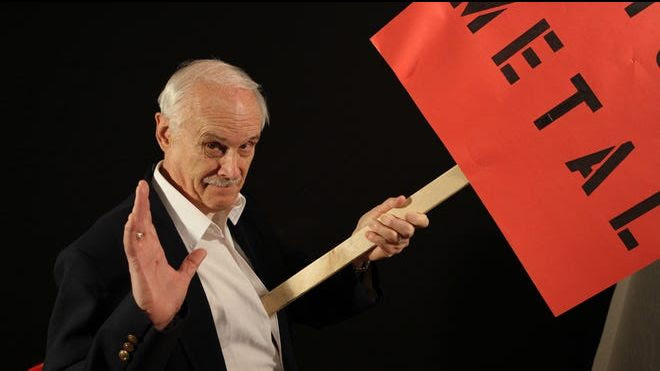


 Boasting unbelievable practical FX, the scares in V/H/S/94 are brilliant. I’m talking legitimate, meticulously timed jump scares from every single director. The quality of the film forces you to sit up and pay closer attention, sometimes squinting over the tracking adjustments as they crowd the screen. The V/H/S franchise has been able to capture something glorious beyond the found footage genre. It’s the mystery behind the overall arch that keeps you creeped out and engaged on top of the fantastic individual stories. It’s a double whammy of horror goodness. You’ll shiver and gag and think, “Damn, this is good shit.”
 The grand scheme of V/H/S 94, or “Holy Hell,” has the audience following a SWAT team into an industrial building filled with monitors and plenty of body parts. They don’t know who or what they’re searching for, exactly. As they sweep the rooms a new tape begins to play. Each one is completely different and spectacularly twisted. Tape 1, titled “Storm Drain” features a local legend of Ratman. An ambitious reporter and her cameraman get in over their heads. Tape 2, “The Empty Wake,” sees a young woman left to record the wake of a recently deceased man. Alone with a dead body during a storm? No thanks. This segment was my personal favorite. It’s old-school scary meets nuts visuals. I couldn’t help but yell NOPE at the screen, again and again.
 Tape 3 “The Subject,” tells the tale of a mad doctor attempting to improve humans with technology. If you ever wanted a live first-person shooter game experience, now you’ve got one. Tape 4 “Terror” takes aim at domestic terrorism with a group of militiamen planning to cleanse America with s monstrous weapon. I also have to mention, director Steven Kostanski’s infomercial “The Veggie Masher.” It’s totally maniacal and random as hell. But at the same time, perfectly harkens back to those 3 am hour-long commercials for ridiculous kitchen gadgets. The finale actually gives you answers. As the 4th installment of the franchise, V/H/S94 makes it clear that these films are alive and well and ready to fuck you up.


 A story of cyclical abuse with a touch of magical realism, Baby, Don’t Cry was a completely unexpected journey. Fair warning for survivors of abuse, this film may be a trigger watching for you. The deeper you go into the story the more complex our leads are revealed to be. Two young people in hopes of escaping their sad circumstances, latch onto one another. It’s evidently unhealthy to the audience but entirely understandable. Lack of father figures is a running theme, as are racism and mental illness. The emotional burdens that Baby and Fox carry are unrelenting. Zita Bai, our leading lady, and creator of Baby, has given us a thoroughly nuanced character. Some moments will make you infuriated with her, while others provoke sympathy It’s an extraordinary culmination of emotions. Baby, Don’t Cry will make you cringe, shake your head, and fill you with a bit of wonder.
 Thanks to Twitter, an estranged and dysfunctional family throws an accidental party on their move-out day. A barrage of quirky characters show up to explore and wreak their own brand of havoc. Wonderful Paradise is an absurdist sideshow. I would genuinely recommend watching this high. The number of times I exclaimed, “Huh?”, “What?”, or, “Sure, why not?! ” I lost count quite frankly. I must applaud the cast for their absolute commitment to their craft. The cast grows exponentially as the film rolls on and every single performer gives it 110%. The slow and district progression of the set is wild. The practical FX combined with the wackiest of screenplays make Wonderful Paradise perfect for Fantasia audiences. It is unlike anything I’ve ever seen before. Do I understand the final result? Absolutely not. Would I watch it again? Don’t threaten me with a good time.

 I feared this Martyrs Lane would be overlooked among the plethora of gore-filled content. That would have been the biggest shame to befall this year’s Fantasia International Film Festival. Writer-director Ruth Platt‘s carefully crafted tension and mystery should be celebrated. It has a quieter Babadook energy to it that is unmistakable. The film manages to be both a slow burn and a vice grip of tension. The editing puts your head in a spin in that you’re never sure what is real until the very final scene. Performances are outstanding. The fact that the entire premise mostly hinges on the work of two small girls will blow you away. It is no wonder young lead Sienna Sayer won the Special Jury Rising Star award. Martyrs Lane will hit harder for parents. Any story centered around children begets that internal ache from the very getgo and Martyrs Lane is no exception. It’s beautifully shot and elegantly lit. The exquisite progression in makeup heightens the overall dread. It speaks to the consuming power of grief and secrets. I cannot wait for Shudder audiences to experience this film in a few weeks. This one is special. Undoubtedly, one of my favorites from this year’s lineup.




 At an impasse of religion and love, the title of this thought-provoking short film suggests that it’s a horror film. While not touted as such, what unfolds in 25 minutes between family members is absolutely horrific. To fully appreciate the nuance in Over My Dead Body takes an open mind. Often, we place ourselves in the shoes of the characters on screen. Here, depending on your religious beliefs (or lack thereof), the complexities are unsurpassed. Having religion forced upon me as a child backfired at the age of about 14. In a world filled with volatility caused by media corporations, conflicting gods, and traditions, Over My Dead Body hits harder in modern times. Our families are supposed to love us unconditionally. What happens when that isn’t true? The cinematography is smart and takes advantage of the lush sets and costumes. Performances from this true ensemble cast are magnetic. You know this family. It resembles your own in more ways than you might realize at first watch. With an ending that will leave you breathless, the impact of this short should echo loudly.

 Confetti is a heartfelt film that aims to tackle complicated issues of immigration, dyslexia, and the barriers that parents will overcome to provide a better life for their children.
  Confetti is a refreshing insight into the Asian American immigrant experience that is not frequently centered. Director Ann Hu should be commended for elevating complex intersectional stories like this one, even if some plot points feel a bit disjointed or unfinished. Charming performances by Zhu Zhu and Harmonie He animate a touching story of perseverance and sacrifice.


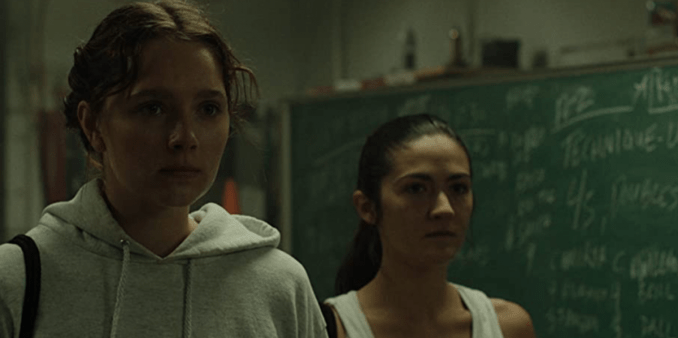 Quick take editing alongside exaggerated and repetitive audio gives the film urgency, all while a string-heavy score plays underneath. The culmination of all these elements lands The Novice somewhere between tense and inspiring. Then there is Furhman’s performance. Her obsessive behavior pushes The Novice past genre definitions. Furhman brings a ferocious passion to the role. Writer-director Lauren Hadaway‘s script is ultimately not about rowing. It is about mental health. It keenly delves into privilege, relationship dynamics, competition, and self-harm. The energy of this film is extraordinary. Bentonville Film Festival audiences will be hypnotized by its greatness. It is a must-see.
 Bad news. Being unlucky in love is genetic.


 The dynamic is magnified by how the film spotlights naturally magnetic real-life characters like “World Famous James Brown”, or WFJamesBrown on his Instagram account (that I now follow). James’ snappy and legally sound retort to aggressive police brutality during a birthday party that local police condemned as a gay orientation(?!) went viral and helped to bring an international social media spotlight to the struggle of Nigeria’s LGBTQ+ community.




 “You’re not the only one raising these girls,” Coach Jean Bell says to Tonia Handy, mother of the Sheppard sisters Tai, Rainn, and Brooke in a heartfelt moment that perfectly articulates the thesis of this story. Although the sisters have faced the kind of adversity that makes their success all the more inspiring, the magic of the film is in watching a village pull together to prepare these young ladies for bright futures of their choosing.
  The documentary picks up in the aftermath of these exceptional events as the girls navigate the demands of high-level competitive sport and more universal trials like coming-of-age. In the hands of a different group of filmmakers, the documentary may have focused gratuitously on the tragedy and hardship of the girl’s early lives or the precariousness of what they have now. Sisters On Track, however, is a joy to watch. Although the reality of the girls’ home lives is apparent, it is not exploited for pathos. Instead, the bulk of the film is watching a group of talented young women train and compete at the highest levels amid a continuous stream of motivational pep talks from Coach Jean Bell who is an inspiration in her own right (I could write an entire piece on the Jeuness Track Club where they train).


 Chasing Childhood is a film that could not have arrived at a better time. After the year we’ve had in lockdown, it’s time to confront some harsh realities. Chasing Childhood is tailor-made for parents, educators, and policymakers of every age. I have a 4 and 5-year-old living in an apartment we own on the Upper West Side of Manhattan. By all measures, life is great. What you don’t see is the aura of tension that surrounds the admissions process when applying to preschool. Now, we’re entering Kindergarten with my son. The questions of, “Where are you all applying?” have been swirling around me since he was 2. The idea that the school we picked for our 2-year-old would somehow determine what tax brackets my children would fall under in 20 years is exhausting. Filmmakers Margaret Munzer Loeb and Eden Wurmfeld clearly explain how we’re stifling kids. They are exhausted. This trend of micromanaging their futures kills their present joy. The doc talks to parents, teachers, experts, and kids about how we can change this negative trend. With stats about recess and play Vs. standardized testing will undoubtedly move your needle in terms of curriculum and quality of life. Wilton, Connecticut is featured quite heavily, alongside Patchogue, NY, and of course, Manhattan. Wilton is actually one of the towns we’ve considered in making our city exodus. The irony of how I stumbled upon Wilton should not be surprising. I googled, “Top School Districts in Connecticut.” Simsbury was always in the Top 5. I should have guessed that any town along what Connecticut calls “The Gold Coast” would be the other top districts. After watching, Wilton is looking better and better. What makes Chasing Childhood so successful is the film’s honesty. The interviews with every participant are authentic. The implementation of more play is key to a well-balanced life. The film is not preachy. It does not judge. It does explain how we’ve become wired this way. How seemingly small societal shifts went from ripples to tidal waves in policy and parenting. It’s nothing short of fascinating.

You must be logged in to post a comment.