

TO MY FATHER

To My Father, depicts Deaf actor Troy Kotsur’s journey to winning an Oscar and his father’s inspiring
influence on him, despite a tragic accident.
Gorgeously shot by Brody Carmichael, with thoughtful editing by Joshua Meyers, Sean Schiavolin brings audiences a heartfelt story of inspiration and determination with the short film TO MY FATHER. Unless you’ve been living under a rock, Troy Kotsur is now a household name. Sweeping awards season with his emotional performance as Frank Rossi in CODA, Kotsur explains how his father connected with him not only as a deaf child but also as an extraordinary creation. Never allowing Troy to feel bothered, it is easy to see where the backstory of Frank comes from.
 Troy’s vulnerability flows off the screen. Reenactments directly from Troy’s storytelling deliver every emotion possible. Have tissues on hand. It will be impossible to maintain a dry eye. I wept through this film, thinking about my child with autism. If I can be a fraction as supportive as Len Kotsur, imagine what Wes may be capable of achieving. In just over twenty minutes, this unforgettable film is an ode to a parent’s unconditional love.
‘TO MY FATHER’ will screen as part of the program
SHORTS: TAPESTRY
Short docs woven together from life-changing experiences.
Playing in this program:
Miss Brown (F WP)
The Right to Joy (NYP)
To My Father (WP)
Deciding Vote (WP)
In Person


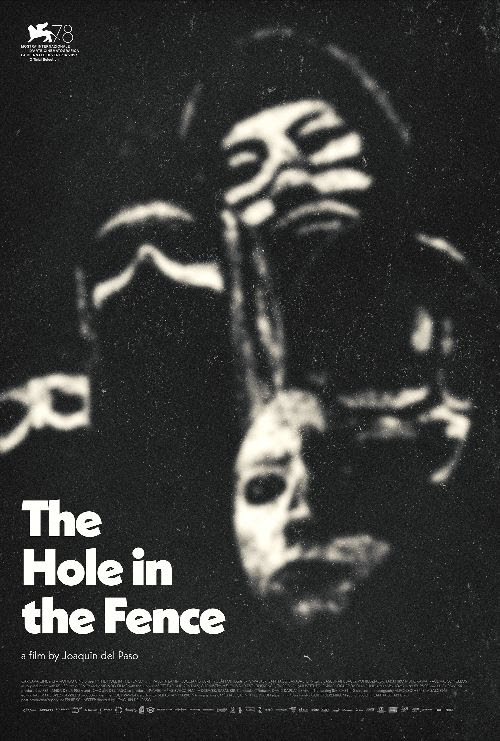
 Save one or two, a group predominantly of elitist little shits wage war against the weaker for power. To no one’s surprise, these kids could not care less about following the religious aspects of the camp’s intentions, instead actively torturing the child with the darkest skin. Perhaps the saddest part is how the hatred spreads so quickly.
 Outside the inner workings of the boys, there is a grander racism playing out beyond the chain link fence of the camp. A hole brings fear that an outsider has infiltrated the grounds. Slowly, we discover the nefarious intentions of the staff, the indoctrination of following orders, and never questioning authority.
 The film plays out in two distinct acts. Once in the woods, the fractures widen, and smaller groups become exceedingly hostile. This Lord Of The Flies meets The Village script is exhilarating. My nerves almost could not take it. Performances are extraordinary. The film speaks to a growing global evil in Christofascism, sexual abuse in the church, and the destruction of otherness. A HOLE IN THE FENCE displays toxic masculinity at its core. It is a sick test and focuses on the myth of manhood. It is a microcosm, and we should all be afraid.


 Director Oscar Harding happened upon the tape as a child but had only had the pleasure of watching until his father hit stop on the VCR. It isn’t until the VHS reemerges in his adulthood that he feels compelled to dig deeper into the man beyond the vast amount of background provided by Charles along the way.


 Giedrius Kiela and Gabija Bargailaite play Paulius and Indre, respectively. Each brings qualities of pain. Kiela’s aggression has the audience in a death grip. His volatility is frightening. Bargailaite is more subtle. Her unraveling happens in a finale that breaks you. They are hypnotizing.
  Slick editing and long takes on a stationary camera make the audience an unwilling witness to Paulius and Indre’s plans. The script’s structure leaves much to the imagination as clues come slowly. My mind swirled as I watched Paulius walk Indre through the crime’s timeline. You feel compelled to keep watching. As someone whose close friend died under mysterious circumstances years ago, the unresolved pain and trauma are palpable. The need to understand and reason with the devil never fades, no matter how many years go by. PILGRIMS captures the very messy essence of grief.

 Azia Dinea Hale plays Nina, a young phone tech who gives private lessons to Mordecai. Dealing with an unexpected family secret, Nina pushes onward to assure Mordecai that he can take his future into his hands and heal through experience and art. Hale is as sweet and patient as we need her to be.
  Sean Astin is Marvin, Mordecai’s son. Marvin’s confident facade begins to crack under the pressure of his cigar business, Fela’s diagnosis, and unresolved feelings with his father. Astin leaves his heart on the screen. Marvin is a complex person doing his best to keep his head above water. Astin takes each beat with thoughtfulness. It is a carefully crafted character study.


 THE WORST ONES is a meta-narrative that succeeds in conveying hope through hardship. Not only does the film shine in its storytelling, embracing heartbreak and socioeconomic trauma, but the performances also by our four young actors will hypnotize the viewer. Check out the clip below for a taste:


 On the surface, the film is an intimate character study of the growing tensions in a family and community in close quarters and the disruption of everyday life. Slyly mirroring the Israel-Palestine tensions in a darkly comedic way, LET IT BE MORNING tackles the status quo, the want for power, and the need for change in a superbly brilliant way.


 Playing out in real-time (56 minutes to be exact), 6 friends jump on a Zoom call after they hire a medium to entertain them. The visual setup is key. What appears to be totally casual laptop setups is actually comprised of very specific angles that will put any genre fan instantly on alert. A well-placed open door in any frame is a constant cause for anxiety. Since we’ve all been doing these damn calls for months now, Host stylishly lulls you into a false sense of familiarity before pulling the rug out from underneath you. It’s quite genius in its simplicity.

You must be logged in to post a comment.