

COMING HOME IN THE DARK

Director/co-writer James Ashcroft introduced Fantasia 2021 audiences to a gutwrenching neo-noir. As a family attempts to enjoy a road trip, they are suddenly accosted by two men with an evil agenda. The complexities of COMING HOME IN THE DARK go far beyond a random encounter. This film was created to make you shudder. Redemption, revenge, cruelty, and shock all play huge parts in this journey. This is a film that will have you on the edge of your seat. Ashcroft’s feature debut deals directly with NZ ineptitude in their state-run facilities. This particular aspect of the script could be applied to any country. The abuse of children becomes an ironic twist that comes to haunt the viewer in more ways than one. The intensity that builds in this screenplay is unrelenting. The brutality is unforgiving. With a large amount of dialogue and action occurring under duress, and inside a car, the claustrophobia is palpable. The ability to build fully fleshed-out characters under the circumstances is truly astounding. Performances from this small cast will captivate you. The cinematography is incredibly thoughtful. It isn’t too often that I stop taking notes while watching a film. I didn’t write a single thing down during my viewing experience. I could not take my eyes off the screen. I cannot fully express how my entire body was shaking as I watched this film. I do feel compelled to warn viewers of the level of violence. Coming Home In The Dark is a traumatizing experience.
CAST:
- Daniel Gillies
- Erik Thomson
- Miriama McDowell
- Matthias Luafutu


 Perry Blackshear is the man with all the hats taking on directing, writing, cinematography, and producing. One of the best goosebumps-inducing moments occurs in the form of actress Libby Ewing’s hand appearing from nowhere. There is something so startling about this simple action. Its impact speaks volumes. There is a nice connection between the physical and metaphorical. The fight training scenes are a great representation of emotional preparedness. And without spoiling anything, the devil you know is sometimes a safer bet than the devil you don’t. When I Consume You is an addiction allegory. Whether that is drugs or depression, the weight of trauma never quite leaves you. While the pacing of the film had some static moments, overall this is a fresh take on a haunting premise.


 Performances across the board are stellar. The commitment to the absurd is magic. The chemistry within this cast is outstanding. They are charming and energetic. It’s like watching a group of bright-eyed kids play. The camera work is a real marvel considering the impressively long takes. This film is all about timing, no pun intended. The cuts, if any, are tricky to spot. You’d think that reliving scenes would get old, but they manage to feel fresh each play based on location. Makoto Ueda’s script is that phenomenal. The camera also allows the viewer to feel like they’re part of the action. BEYOND THE INFINITE TWO MINUTES will be a huge hit with Fantasia audiences of all ages. It’s a nonstop, joyous experience.

 A delicious mix of absurdity and folklore, Kratt is everything Fantasia International Film Festival 2021 audiences want in a single film. There’s a plethora of practical FX and gore, but the best moments come from actress Mari Lill as Grandma. Her commitment to the slapstick and over-the-top character changes makes Kratt one of the best films from this year’s fest.
 You cannot miss the mockery of government, technology, religion, extremist politics, and everything in between. The score is wonderful and the cinematography is sharp. The script has one of the most brilliant and whip-smart final moments, cranking up the social commentary to 11. Kratt will have Fantasia Fest 2021 audiences doubled over. Whether that’s from gross-out moments or the laughs us up to the individual.

 The film has some super fun camera work, taking advantage of go-pro technology, warping depth perception, and speed dynamics. Genuine laugh-out-loud dialogue pairs excellently with the ultra-violence. The choreography that went into some of these takes should be applauded. Performances are riotous. The line between villain and hero is blurred, making for an increasingly fun watch. I could easily see the rights for the script being snatched up for Western audiences. Could Fantasia Fest 2021 audiences be seeing the first film in a potential franchise? Sweetie, You Won’t Believe It… until you see it for yourself.

 The set is enthralling. Painted windows, lace curtains, antique furniture, and gardens as far as the eye can see within the boundaries they protect. But this carefully curated surrounding is also a prison for this family. The moment this existence is challenged, their sacred way of life begins to crumble. Performances, across the board, are phenomenal. The script grows more intriguing by the minute. With learned skepticism and real fear of losing the ones they cherish, Glasshouse reveals itself like a meticulously structured novel. The twists are dark and plenty. The finale will shock you. Glasshouse is undoubtedly one of my favorite films at the Fantasia International Film Festival 2021.

 Performances are filled with greatness. What might only be a highlighted extra role in any other genre film turn into a slew of memorable ones. It’s that well written and performed. Seeped in genuine incel energy, social commentary, and over-the-top gore and violence create a shocking watch. The amount of movie blood that must have been involved in this production is unfathomable. I’ve watched a lot of horror, (like, a lot a lot) and The Sadness is not fucking around. One hour in, there is a moment so offensive, even I gagged. Fantasia International Film Festival 2021 audiences were treated to one of the most insanely disturbing films in the festival’s 25-year run. If you can watch and hold in your lunch, bravo. Director Rob Jabbaz, much respect to you, sir.


 At an impasse of religion and love, the title of this thought-provoking short film suggests that it’s a horror film. While not touted as such, what unfolds in 25 minutes between family members is absolutely horrific. To fully appreciate the nuance in Over My Dead Body takes an open mind. Often, we place ourselves in the shoes of the characters on screen. Here, depending on your religious beliefs (or lack thereof), the complexities are unsurpassed. Having religion forced upon me as a child backfired at the age of about 14. In a world filled with volatility caused by media corporations, conflicting gods, and traditions, Over My Dead Body hits harder in modern times. Our families are supposed to love us unconditionally. What happens when that isn’t true? The cinematography is smart and takes advantage of the lush sets and costumes. Performances from this true ensemble cast are magnetic. You know this family. It resembles your own in more ways than you might realize at first watch. With an ending that will leave you breathless, the impact of this short should echo loudly.


 Sefchik’s visual work is nothing short of stunning. This should come as no surprise given his extensive career as a digital artist with the likes of George Lucas and James Cameron. The details are immaculate. While the performances from our dedicated cast veer into the amateur lane at times, their brightest moments come when interacting with what isn’t actually there. That’s more impressive than it sounds. Sefchik also co-wrote the script with producer Derrick Ligas. Social commentary is smartly placed inside a horror film. Themes of environmental destruction, media, and capitalism soak this story in realism. Using personal fears to goad our players into darkness is a brilliant touch. When greed rules, evil prevails. The fact that this entire film was made for $65,000 is mindblowing. Any indie filmmaker can attest to that. BEHEMOTH is a win in its script and most certainly in Sefchik’s mesmerizing VFX. If this is his first foray into feature storytelling, I cannot wait to see, quite literally, what comes next.

 Confetti is a heartfelt film that aims to tackle complicated issues of immigration, dyslexia, and the barriers that parents will overcome to provide a better life for their children.
  Confetti is a refreshing insight into the Asian American immigrant experience that is not frequently centered. Director Ann Hu should be commended for elevating complex intersectional stories like this one, even if some plot points feel a bit disjointed or unfinished. Charming performances by Zhu Zhu and Harmonie He animate a touching story of perseverance and sacrifice.


 The French Dispatch


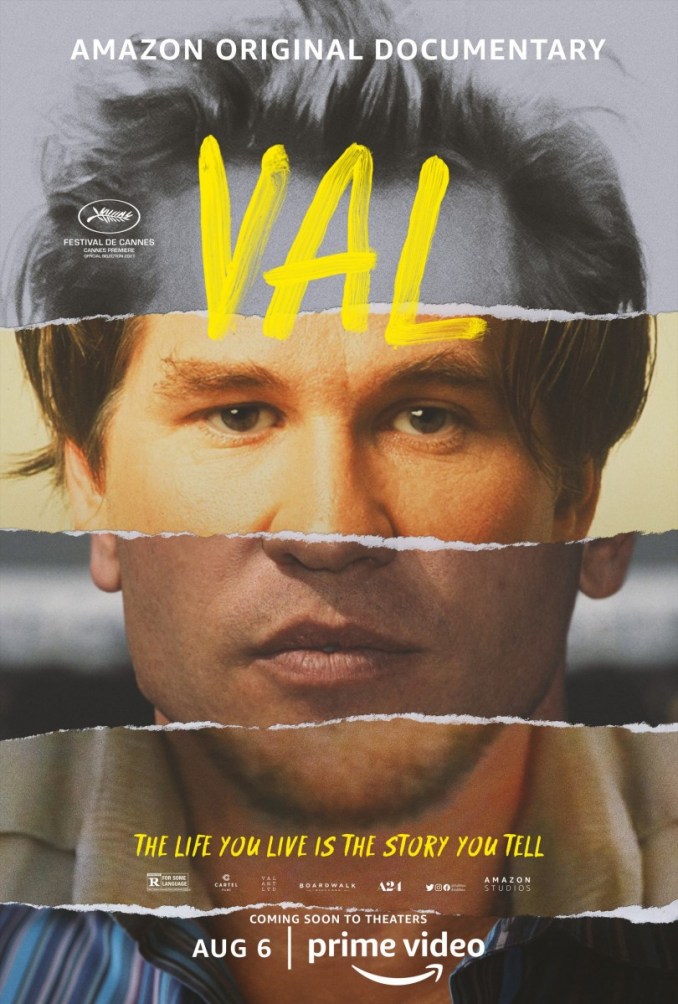
 Let’s start with a confession – I’ll always think of Val Kilmer as my Batman. 1995’s Batman Forever was the first superhero film I ever saw, and that impression was deep and lasting. The car! The suit! Nicole Kidman! That is not to indicate that I am incapable of evaluating Kilmer fairly, but only to say this image of him at the likely mountain-top of his fame has left a lasting impression.


 I’ve never trusted wolves. You could argue this is because I’ve always been raised around ultra-docile dogs, but I think my 20+ years of watching movies are really to blame. The ratio just doesn’t hold water. For every domesticated wolf acting as Kevin Costner’s sidekick, there are countless more stalking our hero through a snowy tundra, howls echoing through the night.
 Sam Hobkinson’s smooth direction compels the audience forward. There’s a charming and particularly modern manner to the way that Hobkinson features key figures in Misha’s journey to stardom – their whole essence summarized into a single characteristic (“The Publisher”, “The Journalist”) We are not really meant to get to know these people (although “The Survivor” radiates winking humor with deep emotion in her few minutes of screen-time) – they are here to feed us the facts we need to drive the narrative forward, to build momentum towards the film’s core question. Which is, of course, can we believe Misha?


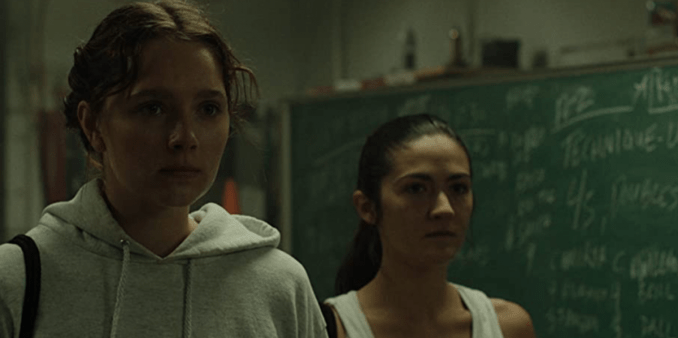 Quick take editing alongside exaggerated and repetitive audio gives the film urgency, all while a string-heavy score plays underneath. The culmination of all these elements lands The Novice somewhere between tense and inspiring. Then there is Furhman’s performance. Her obsessive behavior pushes The Novice past genre definitions. Furhman brings a ferocious passion to the role. Writer-director Lauren Hadaway‘s script is ultimately not about rowing. It is about mental health. It keenly delves into privilege, relationship dynamics, competition, and self-harm. The energy of this film is extraordinary. Bentonville Film Festival audiences will be hypnotized by its greatness. It is a must-see.


 Drugging his family and holding them captive in a bunker aside, toxic masculinity is smartly displayed throughout John’s journey. It appears in a spit fight, inappropriate conversations, and almost drowning a friend. The culmination of these moments keeps you tense and extremely uncomfortable. John and The Hole is unpredictable. I believe the most disturbing aspect of Nicolás Giacobone‘s screenplay is actually the final scene. Not wanting to spoil anything for the reader, I was horrified. The reasons are a complex mix of socioeconomics and Giacobone’s understanding our how the world functions. John and The Hole begs a larger conversation about aggression, pressure, and parenting. Do not miss this film.
You must be logged in to post a comment.